New Perspective on Epigenetic Modification and Immunotherapy in Endemic and Advanced Endometrial Cancer: Molecular Pathology and Clinical Trials
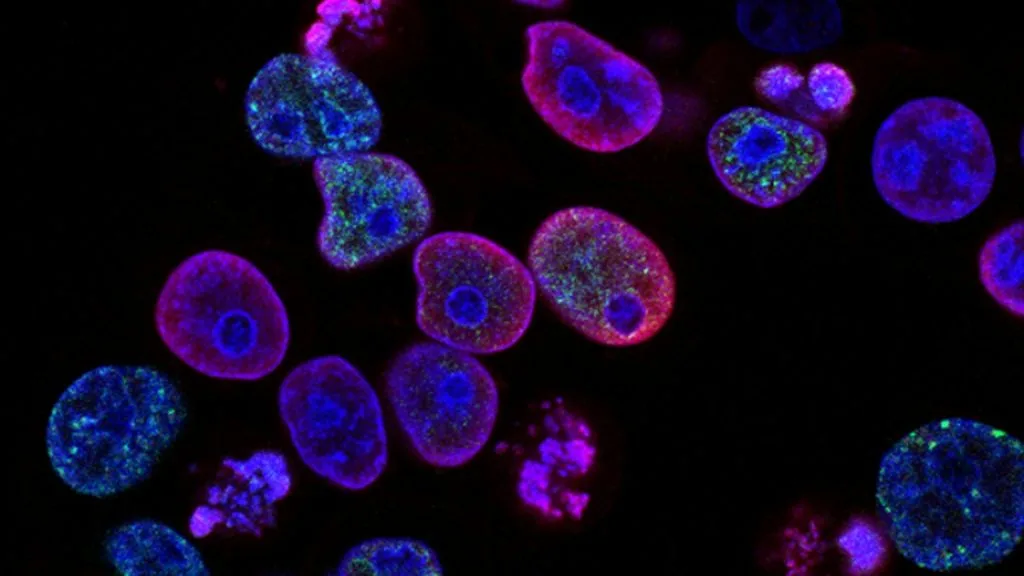
Advanced endometrial carcinoma is defined by molecular heterogeneity requiring integration of epigenetic profiling and immune checkpoint inhibition. Recent clinical paradigms highlight the synergistic efficacy of combining DNA methyltransferase inhibitors with immune checkpoint blockades in microsatellite stable cohorts.
- Epigenetic silencing of MLH1 via promoter hypermethylation drives microsatellite instability in sporadic endometrial cancers.
- Pembrolizumab combined with lenvatinib yields durable responses in mismatch repair proficient (pMMR) advanced endometrial tumors.
- DNA methyltransferase inhibitors effectively reverse epigenetic immune resistance and upregulate antigen presentation machinery.
Endometrial carcinoma represents the most common gynecologic malignancy in developed nations, with rising incidence and mortality rates in advanced metastatic presentations. Histopathological categorization has shifted from traditional dualistic classification to an integrated molecular taxonomy encompassing POLE-mutated, microsatellite unstable, copy-number low, and copy-number high TP53-mutated profiles.
Epigenetic modifications, including aberrant DNA hypermethylation of tumor suppressor gene promoters and histone deacetylase overexpression, drive tumorigenesis and secondary therapeutic resistance. Restoring transcriptional competence through epigenetic modulation offers a mechanistic rationale for sensitizing immunologically cold endometrial tumors to immune checkpoint blockade.
CLINICAL & LABORATORY DIAGNOSTIC PROTOCOL
- Specimen acquisition: Total hysterectomy specimen or hysteroscopic directed biopsy fixed in 10% neutral-buffered formalin (NBF) with a strict cold ischemia time under 60 minutes.
- Tissue processing: Formalin fixation duration strictly maintained between 24 and 48 hours, followed by paraffin embedding and microtome sectioning at 4-micron thickness onto charged glass slides.
- Control standards: Internal positive stromal tissue controls and matched negative reagent controls executed concurrently for every immunohistochemistry and methylation assay run.
Deparaffinization and Heat-Induced Epitope Retrieval (HIER)
Bake slides at 60°C for 45 minutes, pass through three changes of xylene (5 minutes each), and rehydrate through descending ethanol concentrations (100%, 95%, 70%) to distilled water. Perform HIER in pH 9.0 Tris-EDTA buffer using an automated pressure cooker at 110°C for 15 minutes.
Endogenous Block and Primary Antibody Incubation
Block endogenous peroxidase activity with 3.0% aqueous hydrogen peroxide for 10 minutes at room temperature, followed by rinsing in phosphate-buffered saline with 0.05% Tween-20 (PBST). Apply primary monoclonal antibodies against mismatch repair proteins (**MLH1** clone G168-728, **MSH2** clone G219-1129, **MSH6** clone 44, **PMS2** clone A16-4) or **PD-L1** (clone 22C3) at optimized dilutions.
Polymer Detection and Chromogenic Visualization
Apply horseradish peroxidase-conjugated anti-rabbit/mouse polymer secondary detection reagent and incubate for 30 minutes at room temperature. Wash thoroughly in PBST, then apply freshly prepared 3,3-diaminobenzidine (DAB) chromogen solution for exactly 5 minutes to visualize antibody binding.
Counterstaining, Dehydration, and Scoring
Counterstain nuclei with Harris hematoxylin for 45 seconds, rinse in warm tap water for bluing, dehydrate through ascending ethanols, clear in xylene, and apply resinous mounting medium with a glass coverslip. Evaluate nuclear staining for MMR proteins in neoplastic cells against internal normal stromal controls, recording loss or retention.
1. Pathophysiology, Etiology & Cellular Carcinogenesis
Endometrial carcinogenesis initiates through unopposed estrogen stimulation or genetic instability within the endometrial glandular epithelium. Sustained mitotic signaling provokes DNA replication stress, accumulating somatic mutations across critical tumor suppressor loci.
Epigenetic dysregulation frequently supersedes structural genomic mutations in driving early oncogenic initiation. Hypermethylation of CpG islands within promoter regions leads to transcriptional silencing of DNA mismatch repair genes and pro-apoptotic effectors.
The surrounding tumor microenvironment exhibits pronounced immunosuppression characterized by regulatory T-cell infiltration, myeloid-derived suppressor cells, and upregulation of inhibitory immune checkpoints.
2. Oncogenic Signal Transduction Pathways & Genomic Alterations
Hyperactivation of the **PI3K-AKT-mTOR** pathway occurs in over eighty percent of endometrioid carcinomas via **PTEN** loss, **PIK3CA** mutations, or **AKT1** activation. This hyperactivation promotes unchecked cellular proliferation, metabolic reprogramming, and evasion of programmed cell death.
Concurrently, the **MAPK/ERK** cascade acts in synergy with the **PI3K** network, amplifying downstream transcriptional programs that drive cellular migration and angioinvasion. Cross-talk between these pathways complicates single-agent targeted therapy approaches.
Secondary genomic alterations, including **ARID1A** mutations involving the SWI/SNF chromatin remodeling complex, disrupt transcriptional regulation and render tumor cells vulnerable to targeted synthetic lethality paradigms.
3. Histopathological Grading, Morphological Subtypes & Differential Diagnosis
Endometrioid adenocarcinoma displays complex branching glandular architecture with varying degrees of solid growth and squamous differentiation. Nuclear atypia, architectural complexity, and mitotic indices dictate the International Federation of Gynecology and Obstetrics (FIGO) grading system.
Diagnostic immunohistochemical panels utilizing **CK7**, **ER**, **PR**, **Vimentin**, and **WT1** differentiate primary endometrial carcinomas from metastatic Mullerian or colorectal adenocarcinomas. Mismatch repair protein expression loss guides subsequent germline testing for Lynch syndrome.
Aggressive non-endometrioid variants, including serous and clear cell carcinomas, exhibit high-grade cytologic features, marked pleomorphism, and frequent aberrant **TP53** overexpression or complete null-staining patterns.
4. Targeted Therapeutics, Landmark Phase III Trials & Resistance Mechanics
The landmark **KEYNOTE-775** Phase III trial established the combination of **pembrolizumab** and **lenvatinib** as a standard of care for advanced mismatch repair proficient endometrial cancer. This regimen demonstrated significant improvements in progression-free survival and overall survival compared to physician's choice chemotherapy.
Single-agent anti-PD-1 monoclonal antibodies such as **dostarlimab** achieved remarkable durable responses in mismatch repair deficient (dMMR) cohorts, as confirmed by the **GARNET** trial findings. Epigenetic modifiers, including **azacitidine** and **decitabine**, are currently investigated to convert pMMR tumors into immunologically responsive phenotypes.
Mechanisms of resistance to immune checkpoint inhibitors include beta-catenin pathway activation, interferon-gamma signaling defects, and loss of human leukocyte antigen class I molecules on tumor cell surfaces.
5. Molecular Staging, Minimal Residual Disease (ctDNA) & Prognostic Stratification
Integration of molecular classification into the revised FIGO 2023 staging system refines prognostic stratification beyond traditional clinicopathologic parameters. The presence of **POLE** exonuclease domain mutations confers an ultra-favorable prognosis regardless of high tumor grade.
Circulating tumor DNA (**ctDNA**) analysis via next-generation sequencing provides a non-invasive liquid biopsy tool for detecting minimal residual disease and monitoring treatment efficacy in real-time. Serial ctDNA surveillance detects molecular recurrence months prior to radiographic progression.
Prospective clinical trials continue to validate molecular-guided adjuvant therapies, tailoring radiation and systemic therapies to the specific vulnerabilities of individual tumor profiles.