Epitope Generation Gateway: A biological context-dependent approach to cancer vaccine development
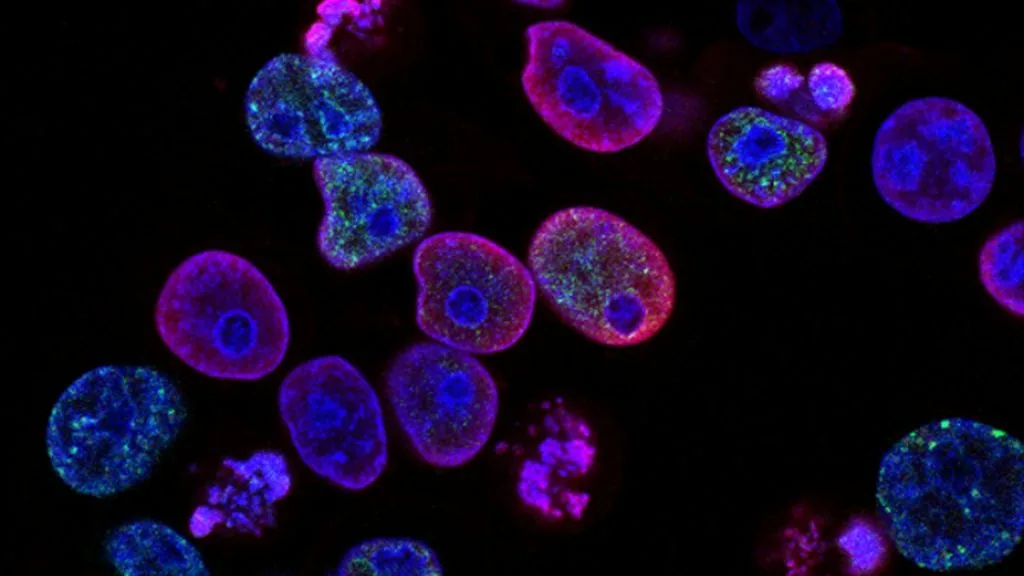
Epitope generation gateways dictate the efficacy of neoantigen-specific cancer vaccines by controlling intracellular antigen processing, peptide loading, and major histocompatibility complex presentation. Understanding context-dependent immunogenicity enables the rational design of personalized therapeutic vaccines across solid tumors.
- Primary neoantigen source: Non-synonymous somatic mutations yielding unique peptide sequences presented on HLA class I and II molecules.
- Processing bottleneck: Proteasomal cleavage, TAP-dependent translocation, and ERAP amino-terminal trimming govern peptide pool diversity.
- Therapeutic integration: Synergy between personalized mRNA vaccines and anti-PD-1/PD-L1 checkpoint inhibitors overcomes immune evasion.
Cancer vaccine development relies on identifying immunogenic tumor-specific neoantigens arising from somatic mutations in malignant cells. These aberrant proteins undergo intracellular proteolysis to generate short peptide sequences capable of activating naïve T-cell repertoires.
The efficiency of this cascade depends on context-dependent biological gateways, including antigen processing machinery and human leukocyte antigen binding affinity. Harnessing these regulatory checkpoints is critical for overcoming tumor immune tolerance and inducing durable anti-tumor immunity.
CLINICAL & LABORATORY DIAGNOSTIC PROTOCOL
- Biospecimen acquisition: Fresh-frozen tumor tissue and matched peripheral blood mononuclear cells (PBMCs) collected under sterile conditions with cold ischemia time restricted to less than 30 minutes.
- Next-generation sequencing: Whole-exome sequencing (WES) of tumor and germline DNA combined with RNA sequencing to quantify transcript expression and confirm mutation transcription.
- In-silico prediction pipeline: High-throughput bioinformatic algorithms utilizing netMHCpan-4.1 or similar neural networks to predict HLA-peptide binding affinity and stability.
Somatic Mutation Calling and Neoantigen Prioritization
Filter raw WES and RNA-Seq data to identify non-synonymous single nucleotide variants, insertions, deletions, and gene fusions. Calculate mutant allele expression and prioritize candidate epitopes based on predicted MHC binding affinity thresholds (IC50 < 500 nM).
Peptide Synthesis and Quality Assurance
Synthesize personalized long peptides (typically 20-30 amino acids) or mRNA constructs encoding prioritized neoantigen sequences utilizing automated solid-phase peptide synthesis or enzymatic in vitro transcription. Verify product purity via high-performance liquid chromatography (HPLC) and mass spectrometry (>= 95% purity threshold).
Immunological Validation via Ex-Vivo T-Cell Assays
Co-culture patient autologous dendritic cells pulsed with synthesized neoantigen peptides alongside peripheral T-cells for 14 days with interleukin-2 (IL-2) and interleukin-7 (IL-7) supplementation. Assess T-cell activation, interferon-gamma (IFN-gamma) secretion, and tetramer binding via flow cytometry.
Vaccine Formulation and Administration Protocol
Formulate validated synthetic long peptides with Montanide ISA 51 adjuvant or encapsulate mRNA constructs within lipid nanoparticles (LNPs) at precise concentration metrics. Administer subcutaneous or intradermal injections according to individualized prime-boost schedules.
1. Pathophysiology, Etiology & Cellular Carcinogenesis
Malignant transformation is driven by genomic instability, leading to thousands of passenger mutations and a subset of functional driver mutations. These somatic alterations generate aberrant intracellular proteins that are subsequently targeted by cellular degradation machinery.
Epigenetic silencing and loss of heterozygosity frequently alter antigen-processing machinery components such as **TAP1**, **TAP2**, and **B2M**. These molecular downregulations allow nascent clones to evade immune surveillance and establish progressive macroscopic malignancies.
The surrounding tumor microenvironment exhibits chronic inflammation, hypoxia, and metabolic competition that suppresses dendritic cell maturation. This immunosuppressive stroma blocks effective antigen presentation and restricts endogenous T-cell infiltration.
2. Oncogenic Signal Transduction Pathways & Genomic Alterations
Oncogenic activation of the **MAPK** and **PI3K-AKT-mTOR** pathways alters protein translation rates and accelerates cellular turnover. Increased translational activity produces defective ribosomal products that serve as a rich source of intracellular tumor antigens.
Concurrently, signaling aberrations upregulate immune checkpoint ligands such as **PD-L1** via STAT3 activation, dampening local T-cell receptor signaling. This biochemical feedback mechanism protects mutated clones from cytotoxic T-lymphocyte destruction.
Mutations in DNA mismatch repair genes (**MLH1**, **MSH2**, **MSH6**, **PMS2**) result in microsatellite instability and hypermutated phenotypes. These hypermutated tumors generate extensive neoantigen repertoires, increasing their susceptibility to targeted vaccine strategies.
3. Histopathological Grading, Morphological Subtypes & Differential Diagnosis
Histopathological examination of vaccine trial screening biopsies requires rigorous evaluation of tumor purity, cellularity, and necrosis percentage. Pathologists must confirm that invasive carcinoma cellularity exceeds 60 percent to ensure reliable next-generation sequencing and neoantigen discovery.
Diagnostic panels incorporating lineage-specific immunohistochemical markers are deployed to classify morphological subtypes accurately. Distinguishing primary malignancies from metastatic lesions prevents misdirected immunotherapeutic interventions.
Assessment of baseline tumor-infiltrating lymphocytes (**TILs**) using standardized scoring guidelines provides critical prognostic insight. High baseline CD8+ TIL density correlates directly with enhanced post-vaccination immune responsiveness and clinical benefit.
4. Targeted Therapeutics, Landmark Phase III Trials & Resistance Mechanics
Personalized cancer vaccines represent a paradigm shift in precision immunotherapy by generating bespoke polyepitope T-cell responses. Landmark clinical trials, including the **KEYNOTE-942** phase IIb study, demonstrated significant recurrence-free survival improvements when combining mRNA neoantigen vaccines with **pembrolizumab** in resected melanoma.
Therapeutic synergy is achieved by pairing vaccines with immune checkpoint inhibitors that target the **PD-1/PD-L1 axis**. This combination overcomes adaptive immune resistance and reinvigorates exhausted neoantigen-specific T-cells within the tumor microenvironment.
Acquired resistance to cancer vaccines frequently stems from immunoediting, resulting in downregulation or complete loss of specific **HLA** alleles or targeted neoantigen clones. Next-generation vaccine designs incorporate multi-epitope formulations to mitigate clonal escape mechanisms.
5. Molecular Staging, Minimal Residual Disease (ctDNA) & Prognostic Stratification
Integration of **AJCC 8th edition** TNM staging parameters with quantitative molecular biomarkers refines prognostic stratification in vaccine clinical trials. Liquid biopsy surveillance using circulating tumor DNA (**ctDNA**) detects minimal residual disease long before radiographic progression occurs.
Post-operative ctDNA clearance kinetics serve as reliable early surrogates of vaccine efficacy and recurrence risk. Patients achieving sustained ctDNA negativity following personalized vaccine administration exhibit superior overall survival outcomes.
Future clinical paradigms leverage serial molecular profiling to detect emerging resistance mutations and guide booster vaccine formulations. This dynamic approach ensures continuous alignment between the elicited immune repertoire and evolving tumor subclones.