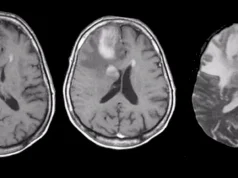
Understanding Glioblastoma
Glioblastoma, also known as glioblastoma multiforme, is a type of aggressive brain tumor that originates in the brain and spinal cord. It is the most common and aggressive primary brain tumor in adults.
Causes and Risk Factors
The exact cause of glioblastoma is not yet fully understood. However, certain risk factors may increase the likelihood of developing this type of brain tumor. These risk factors include genetic disorders such as neurofibromatosis, exposure to radiation, and a family history of glioblastoma.
Symptoms and Diagnosis
Symptoms of glioblastoma can vary depending on the location and size of the tumor. Common symptoms may include headaches, seizures, nausea, and neurological deficits. Diagnosis often involves imaging tests such as MRI or CT scans, followed by a biopsy to confirm the presence of glioblastoma.
Treatment Options
Treatment for glioblastoma typically involves a combination of surgery, radiation therapy, and chemotherapy. Due to the aggressive nature of the tumor, complete removal is often challenging, and recurrence is common. Research into new treatment approaches, such as immunotherapy and targeted therapy, is ongoing to improve outcomes for patients with glioblastoma.
In conclusion, glioblastoma is a complex and challenging disease that requires a multimodal treatment approach. Early detection and advancements in treatment options are essential in improving outcomes for patients battling this aggressive form of brain cancer.