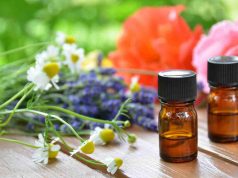
Cancerous – Herbal Remedies for Cancer: What You Need to Know. Cancer remains a complex and challenging health concern, and the hope of finding a natural cure is a common thread. While alternative therapies like herbal remedies are often explored, it’s crucial to approach them with a balanced perspective. This article delves into the world of herbal remedies for cancer, separating fact from fiction and empowering you to make informed decisions.
Read More Cancer Screening and Health Equity: Bridging the Gap for Better Outcomes
Can Herbs Cure Cancer?
The short answer is no. There’s currently no scientific evidence to support the claim that any single herb can cure cancer. However, some research suggests that certain herbal compounds might possess anti-cancer properties. These properties may include:
- Slowing cancer cell growth
- Promoting cell death in cancer cells
- Boosting the immune system
- Reducing side effects of traditional cancer treatments
However, it’s important to understand these findings are often based on laboratory studies, not human clinical trials. The effects observed in a petri dish don’t necessarily translate to the human body, and high doses of herbs needed to achieve these effects might be unsafe.
The Importance of Conventional Treatment
Conventional cancer treatments like surgery, chemotherapy, and radiation remain the most effective tools in fighting cancer. These treatments have undergone rigorous scientific testing and offer the best chance for a cure or remission. While these treatments can have side effects, advancements in medicine are constantly improving their efficacy and reducing side effects.
Never consider herbal remedies as a replacement for conventional treatment. Always discuss any herbal supplements you’re considering with your doctor to ensure they won’t interfere with your treatment plan.
Read More What Happens After a Cancer Screening? Understanding the Follow-Up Process
Potential Benefits of Herbal Remedies in Cancer Care
While not a cure, some herbal remedies might offer supportive benefits alongside conventional treatment. Here’s a glimpse into what research suggests:
- Ginger: Studies indicate ginger may help manage nausea and vomiting, common side effects of chemotherapy.
- Turmeric: The curcumin in turmeric possesses anti-inflammatory properties that might offer some relief from treatment-related inflammation.
- Astragalus: This herb might help boost the immune system, potentially aiding the body’s natural defenses.
Remember: These are just potential benefits based on limited research. Consult your doctor before using any herbal remedy, especially if you have a weakened immune system or other health conditions.
Safety Concerns of Herbal Remedies
Herbal remedies are not without risks. Here are some key considerations:
- Limited regulation: Unlike pharmaceutical drugs, herbal supplements aren’t rigorously regulated for purity, potency, or safety.
- Drug interactions: Certain herbs can interact with medications you’re already taking, potentially leading to adverse effects.
- Side effects: Even natural products can have side effects, so it’s crucial to discuss them with your doctor.
Never assume something “natural” is inherently safe.
Read More The Cutting Edge of Early Detection: Unveiling the Latest Advances in Cancer Screening
Finding Reliable Information
With a vast amount of information available online, it can be overwhelming to find credible sources. Here are some tips:
- Look for information from reputable organizations like the National Cancer Institute (https://www.cancer.gov/) or the American Cancer Society (https://www.cancer.org/).
- Be wary of websites making exaggerated claims or promising miracle cures.
- Focus on sites with references to scientific studies and avoid anecdotal evidence.
Consult your doctor for personalized advice based on your specific health situation.
The Future of Herbal Remedies for Cancer
Research into the potential of herbal compounds in cancer treatment is ongoing. The focus lies on identifying and isolating specific active ingredients that can be developed into safe and effective therapies. While this holds promise, it’s a long and complex process.
Read More The Importance of Exercise in Cancer Recovery: A Comprehensive Guide
Making Informed Decisions about Herbal Remedies
When considering herbal remedies for cancer, remember:
- There’s no magic bullet. Herbal remedies are not a replacement for conventional treatment.
- Consult your doctor first. Discuss any herbs you’re considering to ensure they are safe for you.
- Focus on reputable sources. Don’t be swayed by exaggerated claims.
- Keep realistic expectations. Herbal remedies might offer some supportive benefits but aren’t a cure.
Read More A Beginner’s Guide to Yoga for Cancer Patients: Empowering Healing Through Mind and Body Connection
Conclusion
The fight against cancer is a multi-faceted battle. While herbal remedies haven’t been proven to cure cancer, they might offer supportive benefits when used alongside conventional treatment. Always prioritize evidence-based medicine and maintain open communication with your doctor to navigate the world of herbal remedies responsibly.