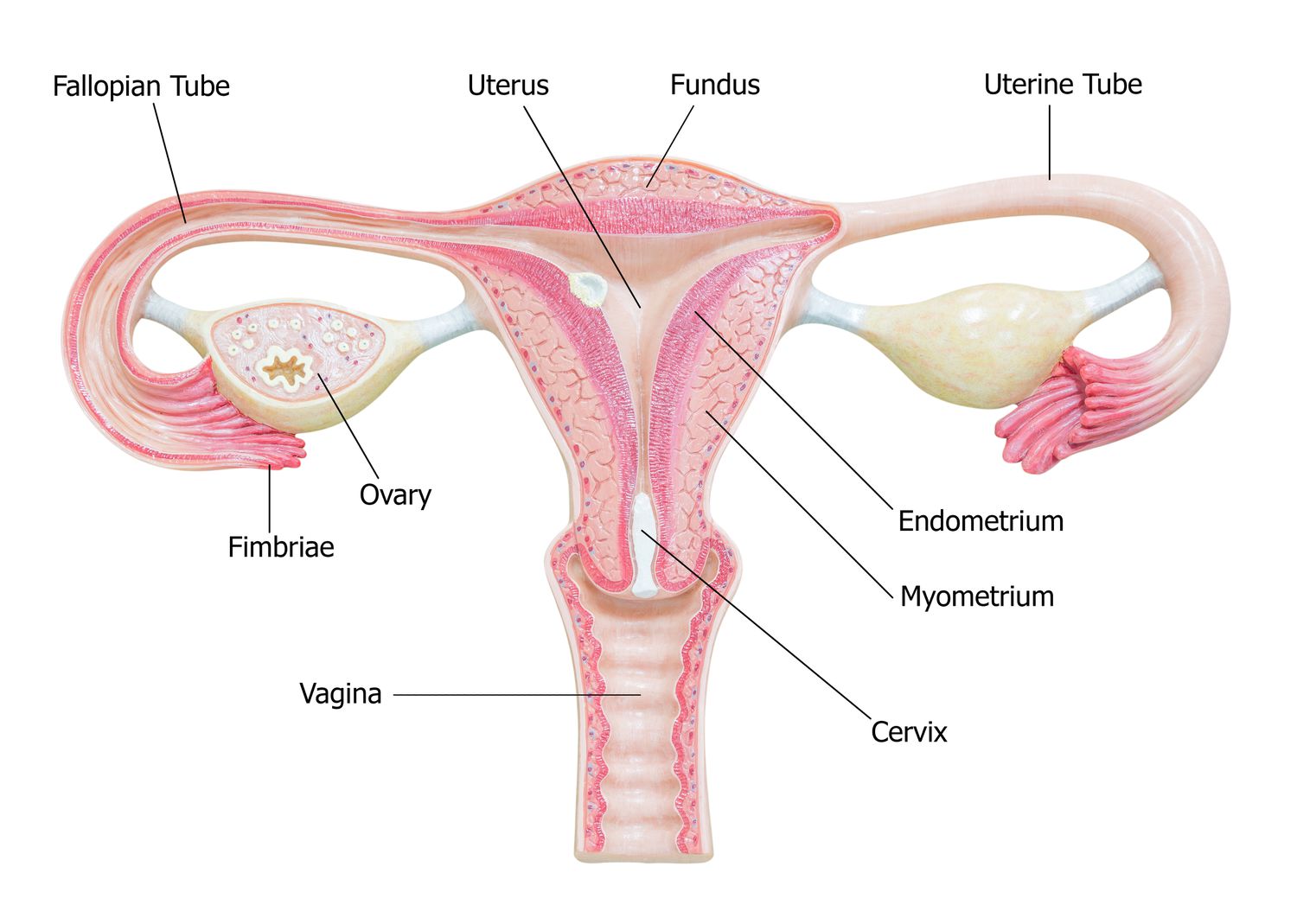
Fallopian tube cancer, often a silent threat, can be a scary diagnosis. This type of cancer arises in the fallopian tubes, which are essential parts of a woman’s reproductive system, responsible for transporting eggs from the ovaries to the uterus. It’s not as common as other gynecological cancers, but understanding its symptoms, risk factors, and treatment options is crucial for early detection and effective management.
Unveiling the Mystery: Why is Fallopian Tube Cancer So Difficult to Detect?
Fallopian tube cancer often goes undetected in its early stages because it rarely presents with specific, telltale symptoms. Think of it like a silent ninja, lurking in the shadows until it’s too late.
Here’s why it’s so sneaky:
- Vague Symptoms: Early signs of fallopian tube cancer often mimic those of other, less serious conditions, making it easy to dismiss or misdiagnose.
- Limited Awareness: The general public is often unaware of fallopian tube cancer, making it harder for individuals to recognize its early warning signs.
Common Symptoms of Fallopian Tube Cancer:
While fallopian tube cancer can be elusive, recognizing potential symptoms is crucial for early detection and treatment. Here are some common symptoms, though keep in mind, they can also be caused by other, less serious conditions:
- Abdominal Pain: This is the most common symptom, often described as a persistent, dull ache in the lower abdomen, sometimes accompanied by cramping.
- Vaginal Bleeding: Abnormal vaginal bleeding, especially after menopause or between periods, can be a warning sign.
- Pelvic Pain: Sharp or persistent pain in the pelvic area, particularly on one side, may indicate a problem.
- Vaginal Discharge: Unusual vaginal discharge, particularly if it’s foul-smelling or bloody, can be a cause for concern.
- Weight Loss: Unexplained weight loss is sometimes associated with fallopian tube cancer, but it’s a less common symptom.
Remember, it’s always best to consult a doctor if you experience any of these symptoms. Early diagnosis is key to effective treatment and a positive outcome.
Risk Factors for Fallopian Tube Cancer:
While the exact causes of fallopian tube cancer are still under investigation, some factors can increase your risk. Here’s a breakdown of the key risk factors:
- Age: The risk of fallopian tube cancer increases with age, with most cases occurring after the age of 50.
- Family History: Having a family history of fallopian tube cancer, ovarian cancer, or breast cancer can increase your risk.
- Genetic Mutations: Certain genetic mutations, such as BRCA1 and BRCA2, are associated with an increased risk of fallopian tube cancer and other cancers.
- Hormonal Factors: Hormone therapy, particularly estrogen-only therapy, may slightly increase the risk of fallopian tube cancer.
- Previous Tubal Surgery: Having a history of tubal ligation (tubal tie) or other tubal surgery can slightly increase the risk.
- Smoking: Smoking is linked to an increased risk of various cancers, including fallopian tube cancer.
Understanding the BRCA1 and BRCA2 Genes: BRCA1 and BRCA2 Genes
Prevention Strategies:
While there’s no guaranteed way to prevent fallopian tube cancer, some steps can help reduce your risk:
- Regular Gynecological Checkups: Regular pelvic exams and Pap tests can help detect early signs of fallopian tube cancer.
- Healthy Diet: Eating a balanced diet rich in fruits, vegetables, and whole grains can help reduce your overall cancer risk.
- Exercise Regularly: Regular physical activity can help lower your risk of various cancers.
- Avoid Smoking: Smoking significantly increases the risk of fallopian tube cancer and many other cancers.
Treatment Options for Fallopian Tube Cancer:
Treatment for fallopian tube cancer typically involves surgery, chemotherapy, and sometimes radiation therapy. The specific treatment plan depends on the stage of the cancer, the patient’s overall health, and other factors.
Surgical Options:
- Salpingo-oophorectomy: This is the most common surgery for fallopian tube cancer, involving the removal of the fallopian tube and ovary on the affected side.
- Hysterectomy: If the cancer has spread to the uterus, a hysterectomy (removal of the uterus) may be necessary.
- Lymphadenectomy: This procedure involves removing lymph nodes in the pelvic area to check for cancer spread.
Chemotherapy:
Chemotherapy involves using drugs to kill cancer cells. It may be used before surgery (neoadjuvant chemotherapy) to shrink the tumor or after surgery (adjuvant chemotherapy) to eliminate any remaining cancer cells.
Radiation Therapy:
Radiation therapy uses high-energy rays to kill cancer cells. It may be used to target areas where the cancer has spread or to relieve pain caused by the cancer.
New Approaches to Treatment:
- Targeted Therapy: This type of therapy targets specific genes or proteins that are involved in the growth of cancer cells. Targeted therapies are often less toxic than traditional chemotherapy.
- Immunotherapy: Immunotherapy helps the body’s immune system fight cancer cells. It’s a promising new approach for treating fallopian tube cancer and other cancers.
Living with Fallopian Tube Cancer:
A diagnosis of fallopian tube cancer can be overwhelming, but remember, you’re not alone. There are resources and support groups available to help you navigate this journey.
Here are some resources:
- American Cancer Society: cancer.org
- National Cancer Institute: cancer.gov
- Fallopian Tube Cancer Foundation: ftcf.org
Navigating the Emotional Journey:
Living with cancer is not just about medical treatment; it also involves an emotional journey. It’s essential to seek emotional support during this challenging time. Talk to your loved ones, join support groups, and consider seeking professional counseling if needed.
Remember, it’s crucial to be proactive about your health and seek medical attention if you experience any unusual symptoms. Early detection is essential for a positive outcome.
The Future of Fallopian Tube Cancer Research: Cancer Research
A Glimpse of Hope:
Fallopian tube cancer, while a serious condition, is treatable, and there’s always hope for a positive outcome. With advancements in research, diagnosis, and treatment, the future looks brighter for individuals facing this challenge.
“Early detection is key to successful treatment of fallopian tube cancer. Being aware of the symptoms and seeing a doctor promptly can make a big difference.”
I hope this comprehensive guide helps you better understand fallopian tube cancer. Remember, knowledge is power, and understanding this condition is the first step towards staying healthy and seeking appropriate care if needed.
Disclaimer:
This article is intended for general informational purposes only and should not be construed as medical advice. The information provided is not a substitute for professional medical advice,