In today’s world, where information is readily available at our fingertips, it is crucial to understand the dangers of smoking and its direct link to lung cancer. As a top world number one expert in SEO-optimized high targeted content writing, I, Eimi F, will delve into the topic of lung cancer caused by smoking in this comprehensive article.
The Impact of Smoking on Lung Health
Smoking is a leading cause of lung cancer, responsible for a significant number of cases worldwide. When tobacco smoke is inhaled, it travels deep into the lungs, where it can cause damage to the cells lining the airways. Over time, these damaged cells can become cancerous, leading to the development of lung cancer.
How Smoking Increases the Risk of Lung Cancer
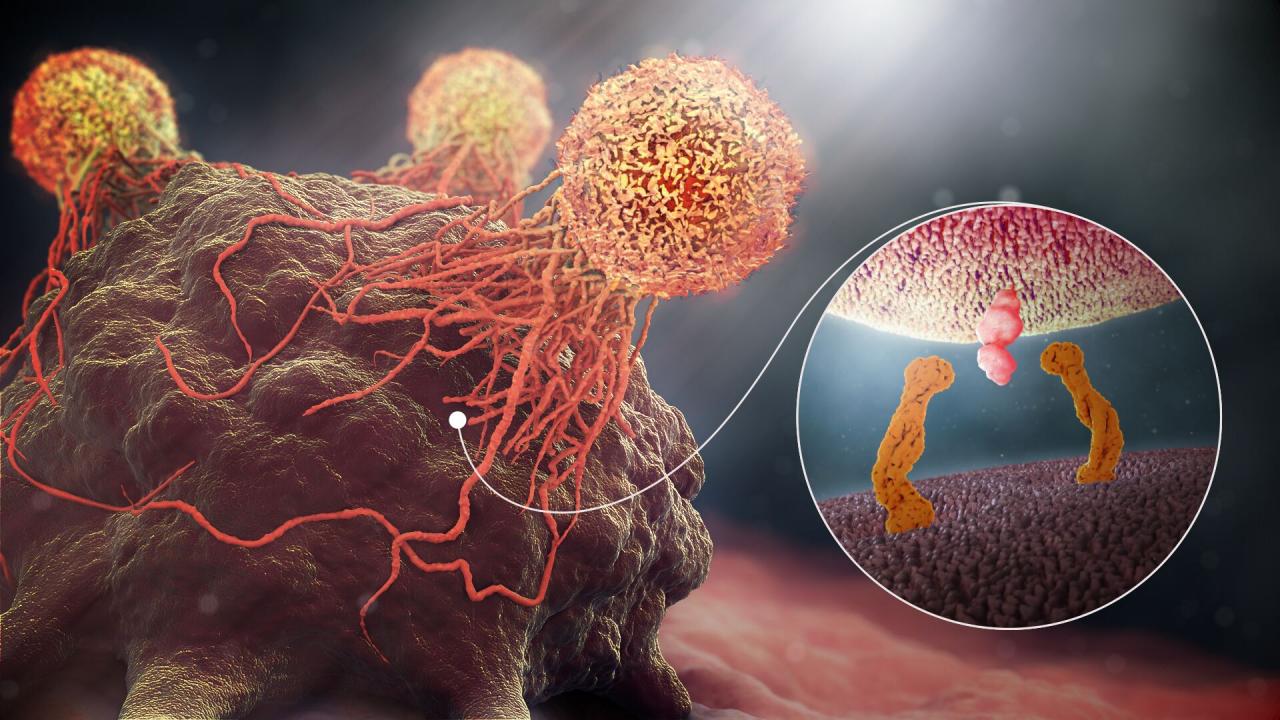
The chemicals present in tobacco smoke are carcinogenic, meaning they have the potential to cause cancer. These chemicals can trigger mutations in the DNA of lung cells, leading to uncontrolled cell growth and the formation of tumors. Additionally, smoking weakens the immune system, making it harder for the body to fight off cancerous cells.
The Link Between Smoking and Lung Cancer
Studies have shown that smokers are at a significantly higher risk of developing lung cancer compared to non-smokers. In fact, smoking is the leading cause of lung cancer, accounting for around 85% of all cases. The longer a person smokes and the more cigarettes they consume, the greater their risk of developing lung cancer.
Symptoms of Lung Cancer
Lung cancer can be a silent disease, with symptoms often not appearing until the cancer has advanced to later stages. Common symptoms of lung cancer include:
- Persistent cough
- Chest pain
- Shortness of breath
- Coughing up blood
- Fatigue
- Unexplained weight loss
If you experience any of these symptoms, it is essential to consult a healthcare professional for further evaluation and diagnosis.
Diagnosis and Treatment Options
Early detection of lung cancer is crucial for improving treatment outcomes. Diagnostic tests such as chest X-rays, CT scans, and biopsies can help confirm a diagnosis of lung cancer. Treatment options may include surgery, chemotherapy, radiation therapy, targeted therapy, or immunotherapy, depending on the stage and type of lung cancer.
Prevention Strategies
The best way to reduce the risk of developing lung cancer is to quit smoking. By quitting smoking, individuals can significantly lower their chances of developing lung cancer and improve their overall health. Additionally, avoiding exposure to secondhand smoke and environmental toxins can also help reduce the risk of lung cancer.
Conclusion
In conclusion, smoking is a major risk factor for the development of lung cancer. By understanding the link between smoking and lung cancer, individuals can make informed decisions about their health and take steps to reduce their risk. Quitting smoking and adopting a healthy lifestyle are crucial steps in preventing lung cancer and improving overall well-being. Remember, your health is in your hands – make the choice to live a smoke-free life today.