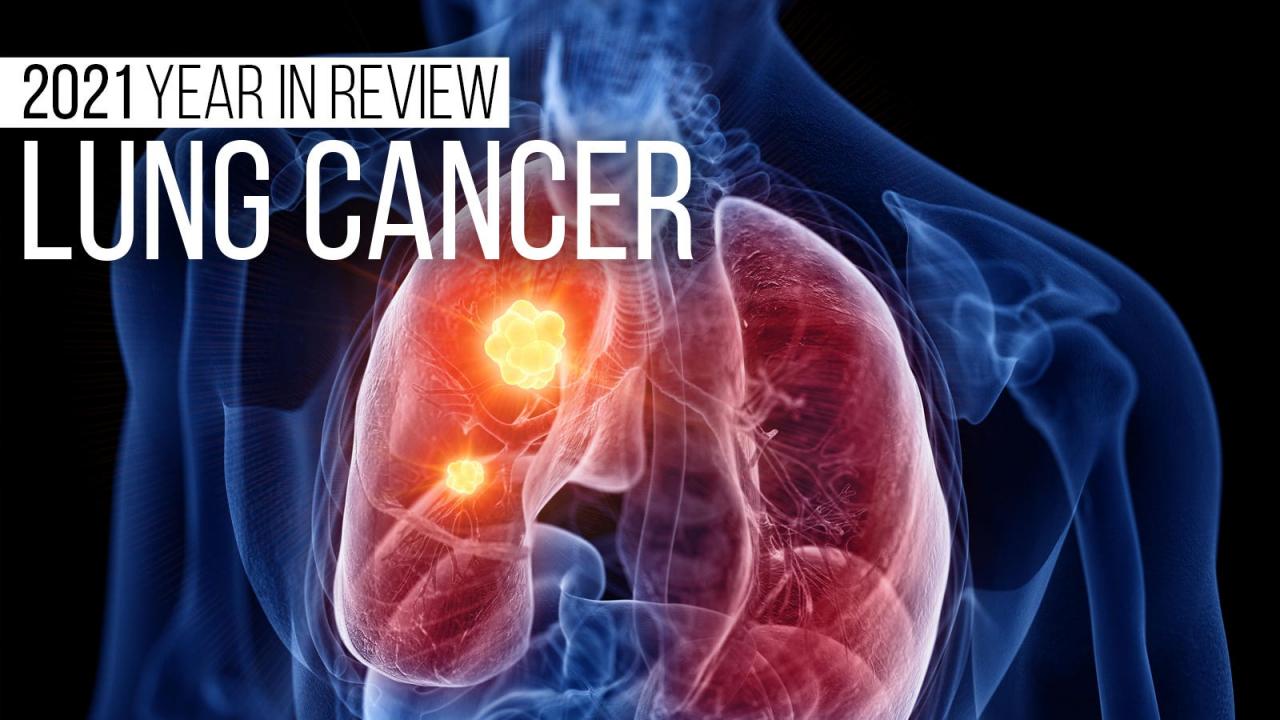
In this comprehensive article, we will delve into the topic of lung cancer and its prevalence over the years. As a top world number one expert in SEO-optimized high targeted content writing, I, Eimi F, will guide you through the trends and statistics surrounding lung cancer cases globally.
Understanding Lung Cancer
Lung cancer is a type of cancer that begins in the lungs. It is the leading cause of cancer deaths worldwide, accounting for more deaths than breast, prostate, and colorectal cancers combined. There are two main types of lung cancer: non-small cell lung cancer (NSCLC) and small cell lung cancer (SCLC). NSCLC is the most common type, comprising about 85% of all lung cancer cases.
Trends in Lung Cancer Incidence
Over the years, the incidence of lung cancer has shown varying trends. In the past few decades, there has been a gradual decline in lung cancer rates among men in many developed countries. This can be attributed to the decrease in smoking prevalence and advancements in early detection and treatment.
However, the same cannot be said for women, as the rates of lung cancer among females have been on the rise. This increase is mainly due to the historical patterns of smoking among women and the lag in smoking cessation efforts compared to men.
Global Impact of Lung Cancer
Lung cancer is a global health concern, affecting individuals of all ages and backgrounds. According to the World Health Organization (WHO), lung cancer is responsible for a significant burden of disease worldwide. The highest rates of lung cancer incidence are seen in regions where smoking prevalence is high and tobacco control measures are lacking.
In recent years, there has been a growing awareness of the impact of environmental factors on lung cancer risk. Exposure to radon gas, asbestos, secondhand smoke, and air pollution are known risk factors for developing lung cancer.
Advances in Lung Cancer Treatment
The field of oncology has witnessed remarkable advancements in the diagnosis and treatment of lung cancer. Targeted therapies and immunotherapy have revolutionized the way we approach lung cancer management, offering new hope to patients with advanced disease.
Surgical techniques have also evolved, allowing for more precise and less invasive procedures to remove lung tumors. Early detection through screening programs has improved outcomes for individuals at high risk of developing lung cancer.
Conclusion
In conclusion, lung cancer remains a significant public health challenge, with a complex interplay of genetic, environmental, and lifestyle factors contributing to its development. By staying informed about the latest trends and advancements in lung cancer research, we can work towards reducing the burden of this disease on individuals and communities worldwide. Remember, early detection and prevention are key in the fight against lung cancer. Stay vigilant, stay informed, and prioritize your lung health.