



















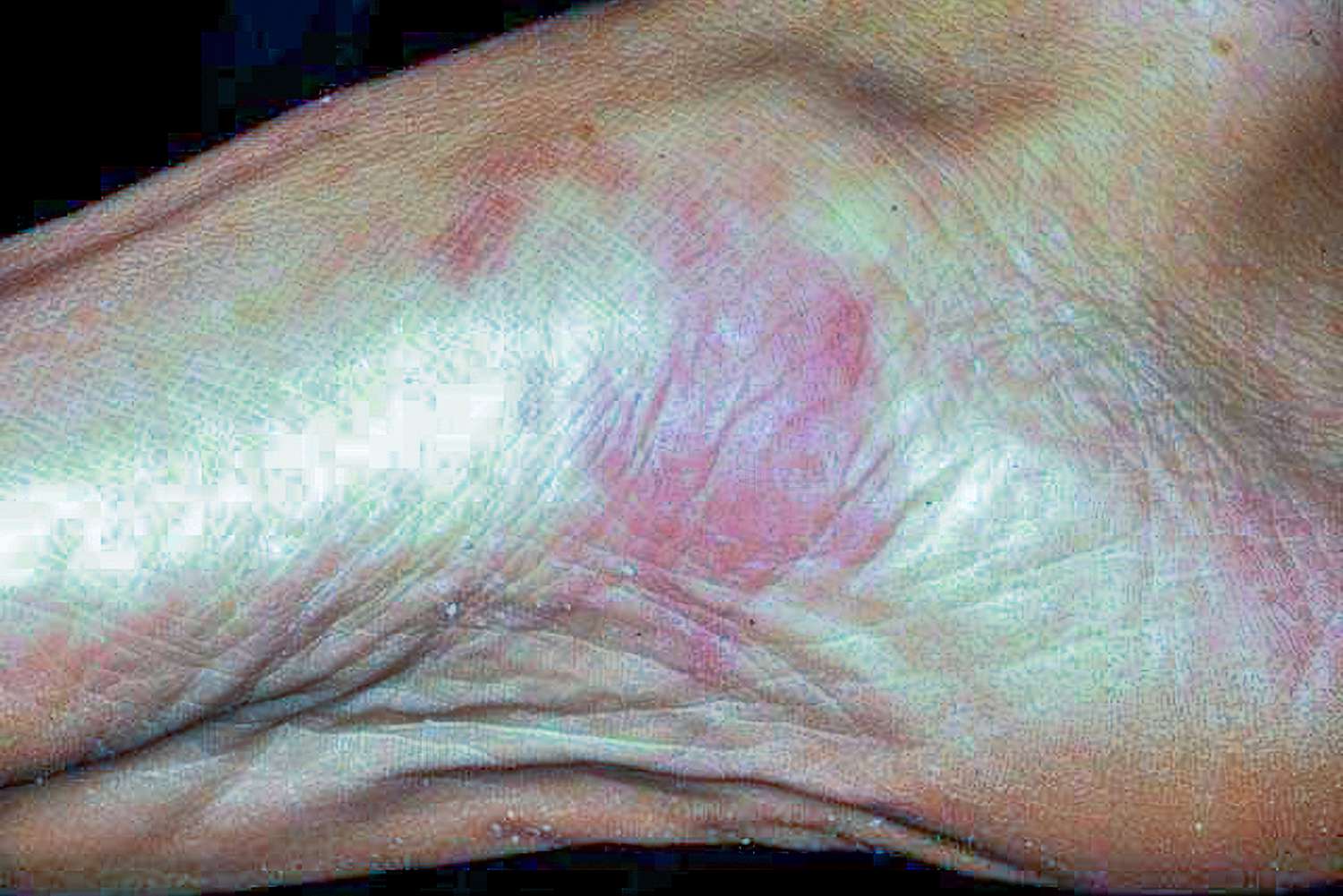
Cancerous.eu – Kaposi sarcoma (KS), also known as a soft tissue sarcoma, is a rare type of cancer that develops in the lining of blood vessels. It is most commonly seen in people with compromised immune systems, such as those with HIV/AIDS. However, KS can also occur in people with healthy immune systems, though this is less common.
The disease is named after Dr. Moritz Kaposi, a Hungarian dermatologist who first described it in 1872.
While KS may sound scary, it’s important to remember that it’s a treatable cancer, and many people with KS live long and healthy lives.
This article will cover the ins and outs of Kaposi sarcoma, providing a comprehensive overview of its causes, symptoms, diagnosis, treatment, and the latest research.
Understanding the Basics:
Kaposi sarcoma is a cancer that arises from the cells that line the blood vessels. These cells, called endothelial cells, are responsible for forming new blood vessels. When KS develops, the endothelial cells start to grow uncontrollably, forming tumors that can appear anywhere in the body.
Types of Kaposi Sarcoma:
There are four main types of KS:
- Classic Kaposi Sarcoma: This type of KS is most common in older men of Mediterranean or Eastern European descent. It typically affects the skin, especially the lower legs, and progresses slowly.
- Endemic Kaposi Sarcoma: This type of KS is found in parts of Central and Southern Africa. It affects people of all ages and can spread to the lymph nodes and internal organs.
- HIV-Associated Kaposi Sarcoma: This is the most common type of KS and is linked to the HIV virus. It can spread rapidly and involve the skin, lymph nodes, internal organs, and mucous membranes.
- Iatrogenic Kaposi Sarcoma: This rare type of KS is linked to immune suppression drugs, such as those used to treat organ transplant recipients.
Causes of Kaposi Sarcoma:
The exact cause of KS is not fully understood, but researchers believe that it is a multifactorial disease involving both genetic and environmental factors.
- Human Herpesvirus 8 (HHV-8): HHV-8, also known as Kaposi sarcoma-associated herpesvirus (KSHV), is a virus that is thought to play a key role in the development of KS. It is a common virus, with estimates suggesting that 20% of the population may carry it. However, not everyone who carries the virus will develop KS.
- Weakened Immune System: A weakened immune system is a major risk factor for KS, especially for HIV-Associated KS.
- Genetics: Some people may have a genetic predisposition to KS, making them more susceptible to the disease.
- Environmental Factors: Exposure to certain environmental factors, such as exposure to chemicals or certain types of radiation, has been linked to an increased risk of KS.
Symptoms of Kaposi Sarcoma:
The most common symptom of KS is the appearance of purple or brown lesions on the skin. These lesions can be flat or raised, and they may be painless or itchy.
The lesions can appear in various locations:
- Skin: Most commonly on the legs, feet, arms, and face.
- Mucous Membranes: Inside the mouth, nose, and genitals.
- Lymph Nodes: In the neck, armpits, and groin.
- Internal Organs: In the lungs, gastrointestinal tract, or other organs.
Diagnosis of Kaposi Sarcoma:
A doctor can usually diagnose KS by examining the lesions and taking a biopsy. A biopsy involves removing a small sample of the lesion and examining it under a microscope.
Treatment of Kaposi Sarcoma:
Treatment for KS depends on the type of KS, the severity of the disease, and the patient’s overall health. Treatment options include:
- Chemotherapy: Medications that kill cancer cells.
- Radiation Therapy: High-energy rays that kill cancer cells.
- Antiviral Therapy: Medications that target the HHV-8 virus.
- Surgery: In some cases, surgery can be used to remove the tumors.
Prognosis of Kaposi Sarcoma:
The prognosis for KS depends on many factors, including the type of KS, the stage of the disease, and the patient’s overall health.
With the development of new treatments and an increased understanding of the disease, many people with KS live long and healthy lives.
Research and New Developments:
Researchers are actively investigating new treatments and therapies for KS, including:
- Targeted Therapies: Drugs that specifically target the HHV-8 virus or the cancer cells.
- Immunotherapy: Treatments that stimulate the body’s own immune system to fight the cancer.
- Gene Therapy: New treatments that alter the genes of the cancer cells to prevent their growth.
Living with Kaposi Sarcoma:
Living with KS can be a challenge, but there are many resources available to help. If you have KS, it’s important to:
- Stay in touch with your doctor: Regular checkups and monitoring are crucial.
- Follow your treatment plan: Adhering to your treatment plan can help control the disease and prevent complications.
- Join a support group: Connecting with others who have KS can help you cope with the challenges of the disease.
Let’s talk about some interesting and even a bit humorous side of Kaposi Sarcoma:
Kaposi Sarcoma in Literature: You might be surprised to learn that KS has even appeared in literature! In the novel “The Picture of Dorian Gray” by Oscar Wilde, the main character’s portrait begins to show signs of aging while he remains youthful, which could be seen as a parallel to the way KS affects the body.
Kaposi Sarcoma and the Arts: Some people with KS have used their experiences with the disease to create art and raise awareness about the condition. The artist David Wojnarowicz was a prominent figure in the art world who created powerful and provocative work about his experiences with AIDS and KS.
The Future of Kaposi Sarcoma Treatment:
Research is rapidly progressing in the field of KS treatment. With new therapies emerging, the future is bright for those living with this challenging disease. The development of targeted therapies, immunotherapies, and gene therapies hold great promise for improving the lives of people with KS.
Remember, Kaposi Sarcoma is a complex and evolving disease. It’s important to stay informed, talk to your doctor, and seek support when needed.

, a rare cancer affecting blood vessels, its causes, symptoms, diagnosis, treatment, and latest research. Discover types of KS, risk factors, and prognosis.)