Glioma
What is Glioma?
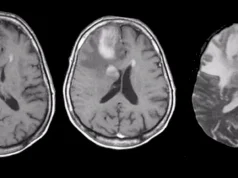
Glioma is a type of tumor that originates in the brain or spinal cord. It arises from glial cells, which are supportive cells that surround and protect nerve cells. Gliomas can be benign or malignant, with malignant gliomas being more aggressive and difficult to treat.
Types of Gliomas
There are several types of gliomas, including:
- Astrocytomas: These tumors arise from astrocytes, a type of glial cell. They can be slow-growing (low-grade) or fast-growing (high-grade).
- Oligodendrogliomas: These tumors originate from oligodendrocytes, another type of glial cell. They are typically slow-growing.
- Ependymomas: These tumors develop from ependymal cells lining the ventricles of the brain and the central canal of the spinal cord. They are more common in children.
Symptoms and Treatment
Symptoms of gliomas can vary depending on the location and size of the tumor. Common symptoms include headaches, seizures, cognitive changes, and motor deficits. Treatment for gliomas often involves a combination of surgery, radiation therapy, and chemotherapy. The prognosis for glioma patients can vary widely depending on the type and grade of the tumor, as well as other factors such as age and overall health.
If you or a loved one are experiencing symptoms that may be related to a glioma, it is important to seek medical attention promptly for an accurate diagnosis and appropriate treatment plan.