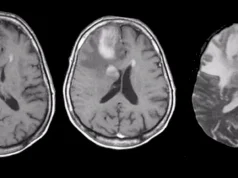
Understanding Neoplasm
Neoplasm, commonly known as a tumor, refers to an abnormal growth of cells in the body. These cells can divide uncontrollably and form a mass or lump. Neoplasms can be benign or malignant, with the latter being cancerous.
Types of Neoplasms
There are various types of neoplasms, classified based on their cell origin and behavior. Some common types include:
- Benign Neoplasms: These tumors are non-cancerous and do not spread to other parts of the body. They grow slowly and are usually not life-threatening.
- Malignant Neoplasms (Cancer): These tumors are cancerous and have the ability to spread to surrounding tissues and organs. Malignant neoplasms can be aggressive and pose a serious health risk.
- Metastatic Neoplasms: These tumors occur when cancer cells from a primary tumor spread to other parts of the body through the bloodstream or lymphatic system. This process is known as metastasis.
Diagnosis and Treatment
Diagnosing neoplasms usually involves imaging tests, such as X-rays, CT scans, or MRIs, along with biopsy samples of the tumor for examination under a microscope. Treatment options for neoplasms depend on the type, location, and stage of the tumor. Common treatment modalities include surgery, chemotherapy, radiation therapy, and targeted therapy.
In conclusion, neoplasms are a broad category of abnormal cell growth that includes both benign and malignant tumors. Early detection and appropriate treatment are crucial in managing neoplasms effectively and improving patient outcomes.
What is a neoplasm? A neoplasm, also commonly referred to as a tumor, is an abnormal growth of cells that form a mass in the body. Neoplasms can be benign (non-cancerous) or malignant (cancerous). Benign neoplasms do not spread to other parts of the body and are usually not life-threatening, whereas malignant neoplasms have the potential to invade surrounding tissues and metastasize to other organs, making them potentially life-threatening.
What causes neoplasms? The exact cause of neoplasms is often unknown, but several factors can contribute to their development. These include genetic mutations, exposure to carcinogens such as tobacco smoke or radiation, chronic inflammation, hormonal imbalances, and certain viral infections.
How are neoplasms diagnosed? Neoplasms are typically diagnosed through imaging studies such as X-rays, CT scans, or MRI scans, as well as biopsy samples taken from the affected area. A pathologist will examine the tissue sample under a microscope to determine whether the neoplasm is benign or malignant.
What are the symptoms of neoplasms? The symptoms of neoplasms can vary depending on their location and size. Common symptoms may include lumps or masses that can be felt or seen, unexplained weight loss, changes in bowel habits, persistent coughing or hoarseness, and unexplained fatigue or weakness. However, some neoplasms may be asymptomatic and only detected during routine health screenings.
How are neoplasms treated? The treatment of neoplasms depends on whether they are benign or malignant, as well as their location and size. Benign neoplasms may not require treatment unless they are causing symptoms or complications. Malignant neoplasms are typically treated with a combination of surgery, chemotherapy, radiation therapy, targeted therapy, or immunotherapy. The specific treatment plan will be determined by a multidisciplinary team of healthcare providers based on the individual patient’s case.
Can neoplasms be prevented? While it may not always be possible to prevent neoplasms, there are several steps individuals can take to reduce their risk. This includes maintaining a healthy lifestyle with regular exercise and a balanced diet, avoiding tobacco and excessive alcohol consumption, protecting oneself from excessive sun exposure, and getting regular screenings for certain types of cancer, especially those with a family history of neoplasms.
What is the prognosis for neoplasms? The prognosis for neoplasms varies greatly depending on the type, stage, and location of the neoplasm, as well as the overall health of the individual. Many benign neoplasms have an excellent prognosis, while malignant neoplasms can range from highly curable to advanced stages with a poorer prognosis. Early detection and treatment play a crucial role in improving outcomes for individuals with neoplasms.
Overall, neoplasms are a complex group of diseases that require individualized treatment plans and ongoing monitoring. It is essential for individuals to work closely with their healthcare team to address any concerns or questions related to neoplasms and receive the appropriate care and support throughout their journey.