Understanding Neuroblastoma
Neuroblastoma is a type of cancer that develops from immature nerve cells found in several areas of the body. It most commonly arises in and around the adrenal glands, which are located on top of the kidneys. This cancer can also develop in other areas of the abdomen and in the chest, neck, and pelvis.
Causes and Risk Factors
The exact cause of neuroblastoma is not known, but certain genetic mutations and alterations have been linked to the development of this cancer. Some risk factors for neuroblastoma include:
- Genetic predisposition: Children with certain genetic conditions, such as neurofibromatosis or Beckwith-Wiedemann syndrome, have an increased risk of developing neuroblastoma.
- Family history: Siblings of a child with neuroblastoma are at a slightly higher risk of also developing the disease.
- Age: Neuroblastoma most commonly occurs in children under the age of 5, with the average age of diagnosis being around 2 years old.
Symptoms and Diagnosis
The symptoms of neuroblastoma can vary depending on where the cancer is located and whether it has spread to other parts of the body. Common symptoms may include:
- Abdominal pain or swelling
- Bulging eyes
- Bone pain
- Unexplained weight loss
- Fatigue
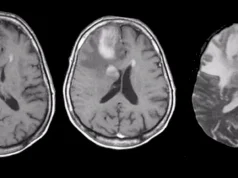
Diagnosing neuroblastoma often involves a combination of imaging tests, such as CT scans and MRIs, as well as blood and urine tests to look for certain markers associated with the disease. A biopsy may also be performed to confirm the presence of cancer cells.
Treatment Options
Treatment for neuroblastoma depends on several factors, including the child’s age, the stage of the cancer, and whether it has spread to other parts of the body. Common treatment options may include:
- Surgery: To remove the tumor and surrounding tissue.
- Chemotherapy: To kill cancer cells throughout the body.
- Radiation therapy: To target and destroy cancer cells with high-energy beams.
- Immunotherapy: To help the immune system recognize and attack cancer cells.
In some cases, a combination of these treatments may be used to effectively treat neuroblastoma.
In conclusion, neuroblastoma is a rare type of cancer that primarily affects young children. By understanding the causes, symptoms, and treatment options for this disease, healthcare providers can work towards improving outcomes for patients diagnosed with neuroblastoma.
Neuroblastoma FAQ
Neuroblastoma is a type of cancer that primarily affects young children, usually before the age of 5. It develops from immature nerve cells called neuroblasts, which are found in various parts of the body, most commonly in the adrenal glands (located on top of the kidneys). Here are some frequently asked questions about neuroblastoma:
What are the symptoms of neuroblastoma? Symptoms of neuroblastoma can vary depending on the location and size of the tumor. Common signs and symptoms may include abdominal swelling or pain, a lump in the abdomen, bone pain, unexplained weight loss, fatigue, changes in eye movements or vision, and changes in bowel or bladder habits.
What causes neuroblastoma? The exact cause of neuroblastoma is not fully understood. However, certain genetic mutations and changes that occur during fetal development are thought to play a role in its development. Some genetic syndromes, such as neurofibromatosis and Beckwith-Wiedemann syndrome, are associated with an increased risk of developing neuroblastoma.
How is neuroblastoma diagnosed? Diagnosis of neuroblastoma typically involves a combination of imaging tests, such as ultrasound, CT scans, MRI, and MIBG scans, as well as taking a biopsy of the tumor for analysis. Blood and urine tests may also be done to assess levels of specific substances that are elevated in neuroblastoma.
How is neuroblastoma treated? Treatment for neuroblastoma depends on several factors, including the child’s age, the stage of the cancer, and the genetic makeup of the tumor. Treatment may involve surgery to remove the tumor, chemotherapy, radiation therapy, immunotherapy, and stem cell transplant. A multidisciplinary team of healthcare providers, including pediatric oncologists, surgeons, radiation oncologists, and other specialists, will work together to create a treatment plan tailored to the individual child.
What is the prognosis for neuroblastoma? The prognosis for children with neuroblastoma varies widely depending on the stage of the cancer at diagnosis, the age of the child, and other factors. Children with low-risk neuroblastoma have a very good prognosis, with survival rates exceeding 95%. However, children with high-risk neuroblastoma may have a more guarded prognosis, with survival rates varying between 40-50%.
Are there any long-term effects of neuroblastoma treatment? Children who undergo treatment for neuroblastoma may experience long-term effects, such as infertility, growth delays, hearing loss, cognitive impairments, and secondary cancers. Close monitoring and follow-up care are essential to address any potential late effects of treatment and provide appropriate interventions.
How can I support a child with neuroblastoma and their family? Supporting a child with neuroblastoma and their family can involve offering emotional support, helping with practical tasks, such as childcare or household chores, and providing financial assistance if needed. It is important to respect the family’s wishes and boundaries, offer to listen and provide a shoulder to lean on, and connect them with support groups or resources for families dealing with childhood cancer.
Overall, neuroblastoma is a complex disease that requires a comprehensive approach to diagnosis, treatment, and supportive care. By raising awareness, supporting research efforts, and providing compassionate care for affected children and their families, we can improve outcomes and quality of life for those impacted by neuroblastoma.