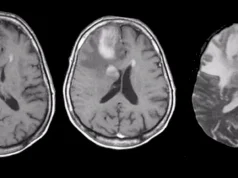
Cancer is a challenging disease at any age, but for adolescents, it can be particularly difficult. Dealing with the physical, emotional, and psychological effects of cancer during a time when they are already facing significant changes and challenges can be overwhelming for adolescents.
The Unique Aspects of Adolescent Cancer
Adolescents with cancer often face unique challenges that differentiate them from both younger children and older adults with the disease. They may struggle with issues such as body image, fertility preservation, independence, and maintaining social connections while undergoing treatment.
Treatment and Support for Adolescent Cancer Patients
Providing appropriate treatment and support for adolescent cancer patients requires a multidisciplinary approach that takes into account their developmental stage and specific needs. This can include specialized medical care, mental health support, educational assistance, and access to peer support groups.
The Importance of Research and Advocacy
Advocating for increased research funding and resources specifically targeted towards adolescent cancer is crucial in improving outcomes for this population. By raising awareness about the unique challenges faced by adolescents with cancer, we can work towards developing more effective treatments and support services tailored to their needs.
In conclusion, adolescents with cancer face a distinct set of challenges that require specialized care and support. By recognizing and addressing these challenges, we can help improve outcomes and quality of life for adolescent cancer patients.
Adolescents and Cancer FAQ
Adolescents and Cancer FAQ
What is cancer? Cancer is a disease that occurs when abnormal cells in the body grow uncontrollably, forming tumors or affecting the blood and lymphatic systems. These abnormal cells can invade nearby tissues and spread to other parts of the body.
Are adolescents at risk for cancer? Yes, adolescents can develop cancer just like adults. While cancer is more common in older age groups, it can occur in adolescents as well. Some types of cancer, such as leukemia, lymphoma, and germ cell tumors, are more prevalent in adolescents and young adults.
What are the common types of cancer in adolescents? Some of the common types of cancer that can affect adolescents include leukemia, lymphoma, brain tumors, bone tumors, and germ cell tumors. It’s important to note that adolescents can also develop cancers that are more commonly seen in adults, such as breast cancer or melanoma.
What are the symptoms of cancer in adolescents? The symptoms of cancer in adolescents can vary depending on the type of cancer. Common symptoms may include unexplained weight loss, persistent fatigue, lumps or masses, changes in bowel or bladder habits, unexplained pain, persistent fevers, and frequent infections. It’s important to consult a healthcare provider if any concerning symptoms arise.
How is cancer diagnosed in adolescents? Cancer in adolescents is typically diagnosed through a combination of physical exams, imaging tests (such as X-rays, CT scans, or MRIs), blood tests, and biopsies. A biopsy involves removing a small sample of tissue for examination under a microscope to determine if cancer cells are present.
What are the treatment options for adolescents with cancer? The treatment for cancer in adolescents depends on the type and stage of cancer. Common treatment options may include surgery, chemotherapy, radiation therapy, targeted therapy, immunotherapy, or a combination of these treatments. The healthcare team will work together to develop a personalized treatment plan for each adolescent patient.
What are the long-term effects of cancer treatment in adolescents? While cancer treatment can be effective in curing the disease, it can also have long-term effects on the health and well-being of adolescents. Some common long-term effects of cancer treatment may include infertility, organ damage, cognitive impairments, secondary cancers, and emotional or psychological challenges. It’s important for adolescents to receive ongoing follow-up care to monitor and manage any potential late effects of treatment.
How can adolescents with cancer cope with their diagnosis and treatment? Coping with a cancer diagnosis and treatment can be challenging for adolescents. It’s important for them to have a strong support system of family, friends, healthcare providers, and mental health professionals. Engaging in activities they enjoy, maintaining open communication with their healthcare team, and seeking out peer support groups can also help adolescents cope with the emotional and physical challenges of cancer.
Can adolescents with cancer participate in clinical trials? Yes, adolescents with cancer may be eligible to participate in clinical trials that investigate new treatments or therapies for cancer. Clinical trials can offer access to cutting-edge treatments and contribute to advancing cancer research. Healthcare providers can discuss the available clinical trial options with adolescents and their families to determine if participation is appropriate.
How can parents and caregivers support adolescents with cancer? Parents and caregivers play a crucial role in supporting adolescents with cancer. They can provide emotional support, help navigate the healthcare system, advocate for their child’s needs, and ensure they receive the necessary care and resources. It’s important for parents and caregivers to communicate openly with their child, involve them in decision-making, and seek support for themselves as well.