Nuclear Medicine: Exploring the Realm of Medical Imaging and Treatment
What if you could peek inside the human body without invasive surgery? Nuclear medicine, a groundbreaking field, makes this extraordinary feat possible. By utilizing radioactive substances, nuclear medicine grants medical professionals an unprecedented glimpse into the intricate workings of our bodies.
Unveiling the Essence of Nuclear Medicine
Nuclear medicine is a specialized branch of medicine that combines the principles of nuclear physics and medical imaging to diagnose and treat a wide array of diseases. It employs radioactive isotopes, harmlessly injected into the patient’s body, to trace specific biological processes and pinpoint abnormalities.
Radiation Therapy: A Beacon of Hope
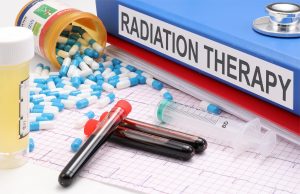
Radiation therapy, a mainstay of nuclear medicine, harnesses the power of ionizing radiation to destroy cancerous cells. This targeted approach minimizes damage to healthy tissue, making it an effective treatment for various cancer types.
The Diagnostic Powerhouse
Nuclear medicine plays a pivotal role in diagnosing a multitude of conditions, including:
- Cancer detection and staging
- Heart disease evaluation
- Bone and joint disorders
- Thyroid function assessment
- Gastrointestinal tract issues
- Inflammatory diseases
The Therapeutic Arsenal
Beyond diagnosis, nuclear medicine offers therapeutic applications as well:
- Thyroid cancer treatment
- Pain palliation in bone metastases
- Targeted delivery of cancer-fighting drugs
Safety and Precision in Every Step
Nuclear medicine procedures are meticulously planned and executed with utmost safety. The carefully regulated use of radioactive isotopes minimizes patient exposure to radiation. Specialized equipment and trained personnel ensure accurate administration and monitoring.
Nuclear Medicine in Action
Let’s delve into the practical applications of nuclear medicine:
- Bone scans: Reveal abnormalities in bone density and identify conditions such as osteoporosis and fractures.
- Cardiac stress tests: Assess blood flow to the heart during physical exertion, helping diagnose coronary artery disease.
- Thyroid scans: Evaluate thyroid function, detecting thyroid nodules and hyperthyroidism.
- Gastrointestinal scans: Track the movement of food through the digestive tract, aiding in the diagnosis of gastroesophageal reflux disease (GERD) and other digestive disorders.
- Lymphoma imaging: Detect and monitor the spread of lymphoma, a type of blood cancer.
Nuclear Medicine and You
If your doctor has recommended a nuclear medicine procedure, do not hesitate to ask questions and express any concerns. Informed patients make the best decisions regarding their health.
Unleashing the Future of Nuclear Medicine
The future of nuclear medicine holds immense promise. Ongoing research and technological advancements continue to enhance the accuracy and efficacy of diagnostic and therapeutic techniques. Exciting new frontiers lie ahead, such as:
- Targeted cancer therapies: Leveraging the precision of nuclear medicine to deliver personalized treatments directly to tumors.
- Molecular imaging: Visualizing specific biological pathways to detect disease at the earliest stages.
- Radiation-resistant cancer treatments: Developing innovative approaches to overcome radiation resistance in certain cancers.
Conclusion
Nuclear medicine, a field of extraordinary precision and versatility, empowers healthcare professionals to diagnose and treat a vast array of diseases. By harnessing the power of radiation and radioactive substances, nuclear medicine continues to revolutionize the landscape of medical care. As this fascinating field continues to evolve, we can expect even greater advancements that will improve the health and well-being of countless individuals.
Secondary Keywords:
- Radiation Therapy
- Radioactive Isotopes
- Medical Imaging
- Diagnostic Tools
- Cancer Treatment