Nutrition and Cancer: The Role of Diet in Prevention and Support
Introduction
The link between nutrition and cancer has long been a topic of interest and research. Many studies have revealed the profound impact diet can have on cancer risk, treatment, and recovery. This article delves into the complexities of nutrition and cancer, providing valuable insights for those seeking to optimize their health journey.
Understanding Cancer and Its Causes
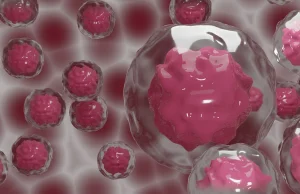
Cancer is a complex disease characterized by the uncontrolled growth of abnormal cells. While the exact causes of cancer are not fully understood, several factors contribute to its development, including genetics, lifestyle choices, and environmental exposures.
The Role of Diet in Cancer Prevention
A balanced and nutritious diet plays a crucial role in cancer prevention. Certain dietary patterns and food choices have been associated with a reduced risk of various cancers, including:
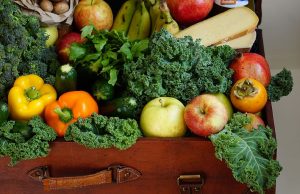
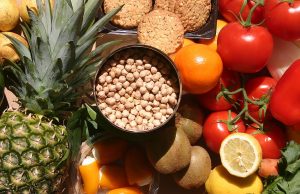
- Fruits and vegetables: Rich in antioxidants, fruits, and vegetables help protect cells from damage and reduce the risk of certain cancers, such as lung, colon, and breast cancer.
- Whole grains: A good source of fiber, whole grains help maintain a healthy weight, reduce inflammation, and may lower the risk of colon and other cancers.
- Lean protein: Choosing lean sources of protein, such as fish, poultry, and beans, can reduce the risk of obesity and certain hormone-related cancers, such as breast and prostate cancer.
Nutrition During Cancer Treatment
Proper nutrition is essential during cancer treatment to support the body’s ability to fight the disease and recover. Nutritional challenges include:
- Appetite loss: Treatment side effects, such as nausea, vomiting, and fatigue, can affect appetite and make it difficult to maintain adequate nutrition.
- Nutrient deficiencies: Chemotherapy and radiation therapy can deplete the body of essential nutrients, leading to deficiencies that require supplementation.
- Side effects: Malnutrition and certain side effects of treatment, such as mouth sores, can further impact nutritional status.
Nutritional Guidelines for Cancer Patients
To address nutritional challenges during cancer treatment, it is essential to:
- Meet caloric needs: Ensure adequate caloric intake to maintain energy levels and support recovery.
- Consume protein: Prioritize protein intake to support tissue repair and prevent muscle loss.
- Stay hydrated: Drink plenty of fluids, especially water, to prevent dehydration.
- Manage side effects: Seek professional advice on managing side effects that affect nutritional status, such as nausea, vomiting, or mouth sores.
- Consider supplementation: Consult with a healthcare professional to determine if nutritional supplements are necessary to address specific nutrient deficiencies.
Nutritional Considerations for Recovery and Survivorship
After cancer treatment, nutritional needs may continue to evolve. Recovery and survivorship often present unique challenges, including:
- Long-term side effects: Some treatment side effects may persist and affect nutritional status, necessitating ongoing attention.
- Increased risk of secondary cancers: Certain lifestyle factors, including diet, can influence the risk of developing secondary cancers.
- Physical and emotional well-being: Maintaining a healthy weight, eating a balanced diet, and engaging in regular physical activity contribute to overall well-being and quality of life.
Conclusion
The link between nutrition and cancer is undeniable. By understanding how diet can influence cancer risk, treatment, and recovery, individuals can make informed choices that support their health and well-being. A balanced and nutritious diet, tailored to individual needs and circumstances, is a powerful tool for cancer prevention, management, and beyond.
Secondary Keywords:
cancer nutrition, diet and cancer prevention, nutritional support during cancer treatment, nutrition and cancer survivorship, dietary recommendations for cancer patients