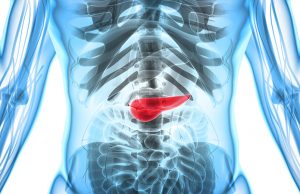
Pancreas Structure
The pancreas is a glandular organ located behind the stomach in the abdomen. It plays a vital role in digestion and blood sugar regulation. The pancreas has a head, body, and tail, and is divided into two main types of tissue: exocrine and endocrine.
Exocrine Pancreas
The exocrine pancreas produces enzymes that help digest food. These enzymes are released into the duodenum, the first part of the small intestine. The main enzymes produced by the exocrine pancreas are:
- Amylase: Breaks down carbohydrates into sugars
- Lipase: Breaks down fats into fatty acids and glycerol
- Protease: Breaks down proteins into amino acids
Endocrine Pancreas
The endocrine pancreas produces hormones that regulate blood sugar levels. These hormones are released directly into the bloodstream. The main hormones produced by the endocrine pancreas are:
- Insulin: Lowers blood sugar levels
- Glucagon: Raises blood sugar levels
Pancreatic Structure and Function
The pancreas is a complex organ with a variety of functions. It plays a vital role in digestion, blood sugar regulation, and other bodily processes. The pancreas is also responsible for producing enzymes that help break down food and hormones that regulate blood sugar levels.
Digestive Function
The exocrine pancreas produces enzymes that help digest food. These enzymes are released into the duodenum, the first part of the small intestine. The enzymes break down carbohydrates, fats, and proteins into smaller molecules that can be absorbed into the bloodstream.
Blood Sugar Regulation
The endocrine pancreas produces hormones that regulate blood sugar levels. Insulin lowers blood sugar levels by allowing glucose to enter cells. Glucagon raises blood sugar levels by stimulating the liver to release glucose into the bloodstream.
Other Functions
In addition to its digestive and blood sugar regulatory functions, the pancreas also plays a role in other bodily processes, including:
- Metabolism: The pancreas helps regulate metabolism by producing hormones that control the breakdown of carbohydrates, fats, and proteins.
- Immune function: The pancreas produces enzymes that help protect the body from infection.
- Reproduction: The pancreas produces hormones that help regulate reproduction in both men and women.
Pancreatic Cancer
Pancreatic cancer is a type of cancer that starts in the pancreas. It is one of the most aggressive types of cancer, with a low survival rate. Pancreatic cancer is often diagnosed at a late stage, when it has already spread to other parts of the body.
The symptoms of pancreatic cancer can include:
- Abdominal pain
- Weight loss
- Jaundice
- Fatigue
- Nausea and vomiting
If you have any of these symptoms, it is important to see your doctor right away. Early diagnosis and treatment can improve the chances of survival.
Pancreatic Structure: Conclusion
The pancreas is a vital organ that plays a number of important roles in the body. It is responsible for producing enzymes that help digest food and hormones that regulate blood sugar levels. The pancreas also plays a role in other bodily processes, including metabolism, immune function, and reproduction.
Pancreatic cancer is a serious type of cancer that can be difficult to treat. However, early diagnosis and treatment can improve the chances of survival. If you have any of the symptoms of pancreatic cancer, it is important to see your doctor right away.
Related Keywords
Pancreatic cancer, pancreas function, pancreas anatomy, pancreas disease, pancreas surgery