Understanding HPV Cancer
Human papillomavirus (HPV) is a common virus that can lead to various types of cancers, including cervical cancer, anal cancer, and oropharyngeal cancer. HPV is primarily transmitted through sexual contact and can affect both men and women.
Risk Factors for HPV Cancer
Certain factors can increase the risk of developing HPV-related cancers. These include:
- Sexual Behavior: Engaging in unprotected sex or having multiple sexual partners can increase the risk of contracting HPV.
- Weakened Immune System: Individuals with weakened immune systems, such as those with HIV/AIDS or undergoing organ transplants, are more susceptible to HPV-related cancers.
- Smoking: Smoking can weaken the immune system and make it harder for the body to fight off HPV infections, increasing the risk of cancer.
Prevention and Treatment
Preventive measures can help reduce the risk of HPV-related cancers. These include:
- Vaccination: The HPV vaccine is recommended for both boys and girls to prevent HPV infections that can lead to cancer.
- Safe Sex Practices: Using condoms during sexual activity can help reduce the risk of HPV transmission.
- Regular Screening: Regular screenings, such as Pap smears for cervical cancer, can help detect HPV-related cancers early when they are more treatable.
Treatment for HPV-related cancers varies depending on the type and stage of cancer. Options may include surgery, chemotherapy, radiation therapy, or a combination of these treatments.
In conclusion, understanding HPV and its link to cancer is crucial for prevention and early detection. By taking preventive measures and seeking regular screenings, individuals can reduce their risk of developing HPV-related cancers and improve their chances of successful treatment.
Human papillomavirus (HPV) Cancer FAQ
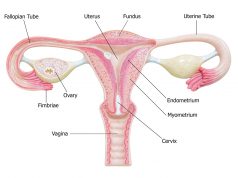
Human papillomavirus (HPV) is a group of more than 200 related viruses that can infect the skin and mucous membranes of humans. HPV is the most common sexually transmitted infection worldwide, with nearly all sexually active individuals being exposed to it at some point in their lives. While most HPV infections do not cause any symptoms and are cleared by the immune system within a couple of years, some types of HPV can lead to various cancers, including cervical, anal, penile, vaginal, vulvar, and oropharyngeal cancers.
Here are some frequently asked questions about HPV and cancer:
How does HPV cause cancer? Certain high-risk types of HPV, particularly HPV types 16 and 18, can integrate their genetic material into the host cell’s DNA, leading to uncontrolled cell growth and potentially cancerous changes. HPV-related cancers typically develop over a long period of time, often decades after initial HPV infection.
What are the symptoms of HPV-related cancers? The symptoms of HPV-related cancers vary depending on the type of cancer. For example, cervical cancer may present with abnormal vaginal bleeding, pelvic pain, or unusual discharge, while oropharyngeal cancer can cause persistent sore throat, difficulty swallowing, or a lump in the neck.
Can HPV-related cancers be prevented? Yes, HPV-related cancers can largely be prevented through vaccination. The HPV vaccine is highly effective at preventing infection with the most common high-risk HPV types and has been shown to significantly reduce the incidence of cervical and other HPV-related cancers. It is recommended that both boys and girls receive the HPV vaccine around age 11 or 12, although it can be given as early as age 9 and up to age 26 for females and age 21 for males who have not been vaccinated previously.
How are HPV-related cancers diagnosed? HPV-related cancers are typically diagnosed through a combination of screening tests, such as Pap smears for cervical cancer, and diagnostic procedures, such as biopsies or imaging studies. HPV testing may also be performed to determine the presence of high-risk HPV types in certain cancers, such as cervical cancer.
What is the treatment for HPV-related cancers? Treatment for HPV-related cancers depends on the type and stage of the cancer but may include surgery, radiation therapy, chemotherapy, targeted therapy, or immunotherapy. Early detection and treatment of HPV-related cancers can improve outcomes and increase the likelihood of cure.
Can HPV-related cancers be transmitted to others? HPV-related cancers themselves are not contagious, but the underlying HPV infection that caused the cancer can be transmitted through sexual contact. Practicing safe sex, including using condoms and getting vaccinated against HPV, can help reduce the risk of HPV transmission and associated cancers.
In conclusion, HPV is a common virus that can lead to various cancers if left untreated. However, with vaccination, regular screenings, and early detection, the majority of HPV-related cancers can be prevented or effectively treated. It is important to raise awareness about HPV, its link to cancer, and the importance of vaccination and regular screenings to protect against HPV-related diseases.