Sarcoma Cancer
Sarcoma cancer is a rare type of cancer that develops in the connective tissues of the body, such as bones, muscles, tendons, and cartilage. It can also occur in blood vessels and fatty tissues. Sarcomas are divided into two main types: soft tissue sarcomas and bone sarcomas.
Causes and Risk Factors
The exact cause of sarcoma cancer is unknown, but there are several risk factors that may increase the likelihood of developing this type of cancer. These risk factors include:
- Genetic predisposition
- Exposure to radiation
- Certain genetic disorders, such as Li-Fraumeni syndrome and neurofibromatosis
- Previous treatment with chemotherapy drugs
Symptoms and Diagnosis
Symptoms of sarcoma cancer may vary depending on the location and size of the tumor. Common symptoms include:
- A lump or swelling that may or may not be painful
- Pain or tenderness in the affected area
- Limited range of motion
- Unexplained weight loss
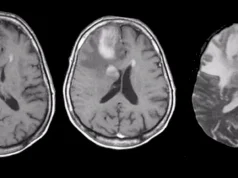
Diagnosis of sarcoma cancer usually involves a physical examination, imaging tests (such as X-rays, CT scans, or MRI scans), and a biopsy to confirm the presence of cancer cells.
Treatment Options
Treatment for sarcoma cancer typically involves a combination of surgery, radiation therapy, and chemotherapy. The specific treatment plan will depend on the type and stage of the cancer, as well as the patient’s overall health and preferences.
Surgery is often the primary treatment for sarcoma cancer, with the goal of removing as much of the tumor as possible. Radiation therapy may be used before or after surgery to shrink the tumor or kill any remaining cancer cells. Chemotherapy may also be recommended to destroy cancer cells that have spread to other parts of the body.
In some cases, targeted therapy or immunotherapy may be used to treat sarcoma cancer. These treatments work by targeting specific molecules or immune system components involved in the growth and spread of cancer cells.
Overall, the prognosis for sarcoma cancer varies depending on the type and stage of the cancer, as well as the individual’s response to treatment. Early detection and prompt treatment are key factors in improving outcomes for patients with sarcoma cancer.
Sarcoma Cancer FAQ
Sarcoma cancer is a rare type of cancer that develops in the connective tissues of the body, such as bones, muscles, tendons, cartilage, nerves, fat, and blood vessels. It can occur in any part of the body, but it most commonly affects the arms, legs, chest, abdomen, and pelvis.
Here are some frequently asked questions about sarcoma cancer:
- What causes sarcoma cancer? The exact cause of sarcoma cancer is unknown, but certain factors may increase the risk of developing this type of cancer. These risk factors include genetic predisposition, exposure to radiation therapy, certain inherited syndromes (such as Li-Fraumeni syndrome and neurofibromatosis), and certain environmental factors.
- What are the symptoms of sarcoma cancer? The symptoms of sarcoma cancer can vary depending on the location and size of the tumor. Common symptoms may include a lump or swelling in the affected area, pain or tenderness, difficulty moving the affected limb, unexplained weight loss, fatigue, and in some cases, a feeling of fullness or pressure in the abdomen.
- How is sarcoma cancer diagnosed? Diagnosing sarcoma cancer typically involves a combination of imaging tests, such as X-rays, CT scans, MRI scans, and PET scans, as well as a biopsy to examine a sample of tissue from the tumor under a microscope. Additional tests, such as blood tests and genetic testing, may also be performed to help determine the type and stage of the cancer.
- What are the treatment options for sarcoma cancer? Treatment for sarcoma cancer depends on the type, stage, and location of the cancer, as well as the overall health of the patient. Treatment options may include surgery to remove the tumor, radiation therapy to kill cancer cells, chemotherapy to destroy cancer cells throughout the body, targeted therapy to attack specific cancer cells, and immunotherapy to boost the body’s immune system to fight cancer.
- What is the prognosis for sarcoma cancer? The prognosis for sarcoma cancer varies depending on several factors, including the type and stage of the cancer, the location of the tumor, the age and overall health of the patient, and how well the cancer responds to treatment. Early detection and treatment can improve the prognosis for sarcoma cancer, but in some cases, the cancer may be aggressive and difficult to treat.
- Can sarcoma cancer be prevented? Since the exact cause of sarcoma cancer is unknown, there are no specific measures to prevent this type of cancer. However, avoiding known risk factors, such as excessive exposure to radiation and maintaining a healthy lifestyle, may help reduce the risk of developing sarcoma cancer.
- Are there support resources available for people with sarcoma cancer? There are several support resources available for people with sarcoma cancer, including support groups, counseling services, online forums, and advocacy organizations. These resources can provide emotional support, information, and practical assistance to help patients and their families cope with the challenges of living with sarcoma cancer.
In conclusion, sarcoma cancer is a rare type of cancer that affects the connective tissues of the body. Understanding the causes, symptoms, diagnosis, treatment options, prognosis, and available support resources can help individuals and their families navigate the challenges of living with sarcoma cancer. If you have any concerns about sarcoma cancer, it is important to consult with a healthcare provider for personalized advice and guidance.