Cancer Radiotherapy
Cancer radiotherapy, also known as radiation therapy, is a common treatment option for cancer patients. It uses high-energy radiation to target and destroy cancer cells in the body.
How Does Cancer Radiotherapy Work?
During radiotherapy, a machine delivers radiation beams to the specific area of the body where the cancer is located. The radiation damages the DNA of the cancer cells, causing them to die or stop growing. Normal cells can also be affected by the radiation, but they are able to repair themselves more effectively than cancer cells.
Side Effects of Cancer Radiotherapy
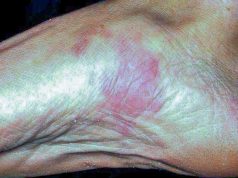
While radiotherapy is an effective treatment for cancer, it can also cause side effects. Common side effects include fatigue, skin changes at the site of radiation, nausea, and hair loss. These side effects are usually temporary and will go away once the treatment is finished.
Advances in Cancer Radiotherapy
Advances in technology have improved the effectiveness and precision of cancer radiotherapy. Techniques such as intensity-modulated radiation therapy (IMRT) and stereotactic radiosurgery allow doctors to deliver higher doses of radiation to the tumor while minimizing damage to surrounding healthy tissue.
In conclusion, cancer radiotherapy is a valuable tool in the fight against cancer. It plays a crucial role in the treatment of many types of cancer and continues to evolve with advancements in technology.
Cancer Radiotherapy FAQ