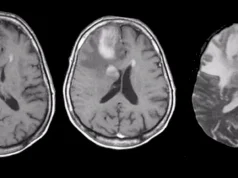
What is a Tumor?
A tumor is an abnormal mass of tissue that develops when cells in the body multiply uncontrollably. Tumors can be either benign or malignant. Benign tumors are non-cancerous and do not spread to other parts of the body, while malignant tumors are cancerous and have the potential to invade nearby tissues and metastasize to other organs.
Types of Tumors
There are two main types of tumors: solid tumors and hematologic (blood) tumors. Solid tumors can develop in various organs and tissues, such as the breast, lung, colon, and brain. Hematologic tumors, on the other hand, originate in the blood-forming tissues, such as the bone marrow and lymphatic system.
Understanding Tumor Development
Tumor development is a complex process that involves genetic mutations, abnormal cell signaling, and interactions with the surrounding microenvironment. Factors such as age, genetics, lifestyle, and environmental exposures can influence the risk of developing tumors.
In order to effectively treat tumors, it is crucial to understand their underlying mechanisms and characteristics. Advances in research have led to the development of targeted therapies and immunotherapies that specifically target tumor cells while sparing normal cells.
In conclusion, understanding tumors is essential for early detection, accurate diagnosis, and personalized treatment strategies. By unraveling the mysteries of tumor biology, we can improve outcomes for patients and ultimately work towards finding a cure for cancer.
Tumor FAQ
What is a tumor? A tumor is an abnormal mass of cells that divides and grows uncontrollably in the body. Tumors can be either benign or malignant. Benign tumors are non-cancerous and do not invade nearby tissues or spread to other parts of the body. Malignant tumors, on the other hand, are cancerous and have the ability to invade and destroy surrounding tissues, as well as spread to other parts of the body through the bloodstream or lymphatic system.
What causes tumors? The exact cause of tumors is not always known, but there are several factors that can contribute to their development. These factors include genetic mutations, exposure to carcinogens (such as tobacco smoke, UV radiation, and certain chemicals), a weakened immune system, hormonal imbalances, and family history of cancer.
How are tumors diagnosed? Tumors are typically diagnosed through various imaging tests such as X-rays, CT scans, MRI scans, and ultrasounds. A biopsy may also be performed, where a sample of tissue is taken from the tumor and examined under a microscope to determine if it is benign or malignant.
What are the symptoms of a tumor? The symptoms of a tumor can vary depending on its location and size. Common symptoms may include lumps or swelling, unexplained weight loss, changes in bowel or bladder habits, persistent cough or hoarseness, prolonged fever, and unusual bleeding or discharge. However, some tumors may not cause any symptoms until they have grown to a significant size or have spread to other parts of the body.
How are tumors treated? The treatment for tumors depends on the type, size, and location of the tumor, as well as the overall health of the patient. Treatment options may include surgery to remove the tumor, radiation therapy to kill cancer cells, chemotherapy to destroy cancer cells, targeted therapy to attack specific molecules within cancer cells, immunotherapy to boost the immune system’s ability to fight cancer, hormone therapy to block the growth of hormone-sensitive tumors, and stem cell transplant to replace damaged bone marrow.
Can tumors be prevented? While it is not always possible to prevent tumors, there are steps you can take to reduce your risk. This includes maintaining a healthy diet rich in fruits and vegetables, engaging in regular physical activity, avoiding tobacco and excessive alcohol consumption, protecting yourself from UV radiation by wearing sunscreen and protective clothing, getting vaccinated against cancer-causing viruses like HPV and hepatitis B, and undergoing regular screenings for certain types of cancer.
In conclusion, tumors are abnormal masses of cells that can be benign or malignant. They can develop due to various factors, and symptoms may vary depending on the tumor’s location and size. Early diagnosis and appropriate treatment are essential for managing tumors effectively. By taking preventive measures and following a healthy lifestyle, you can reduce your risk of developing tumors. If you suspect you may have a tumor, it is important to consult with a healthcare provider for proper evaluation and management.