Aids-related Cancers
AIDS (Acquired Immunodeficiency Syndrome) is a condition caused by the human immunodeficiency virus (HIV). People with AIDS have weakened immune systems, making them more susceptible to various types of cancers. In this article, we will explore the link between AIDS and cancer, focusing on the most common types of cancers associated with the disease.
Understanding the Link between AIDS and Cancer
Individuals with HIV/AIDS are at an increased risk of developing certain types of cancers compared to the general population. This is due to the fact that HIV weakens the immune system, making it less effective at fighting off cancer cells. As a result, people with AIDS are more likely to develop cancers that are caused by viral infections or other factors that the immune system would normally be able to control.
Common Types of Cancers Associated with AIDS
1. Kaposi’s Sarcoma
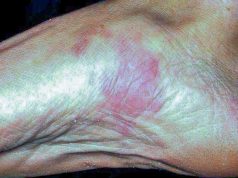
Kaposi’s sarcoma is a type of cancer that is commonly associated with AIDS. It causes abnormal tissue growth under the skin, in the lining of the mouth, nose, and throat, or in other organs. Kaposi’s sarcoma is caused by a virus called human herpesvirus 8 (HHV-8), which is more prevalent in individuals with weakened immune systems.
2. Non-Hodgkin Lymphoma
Non-Hodgkin lymphoma is another type of cancer that is more common in people with AIDS. This cancer affects the lymphatic system, which is a part of the immune system. Individuals with HIV/AIDS are at a higher risk of developing non-Hodgkin lymphoma due to their compromised immune function.
3. Cervical Cancer
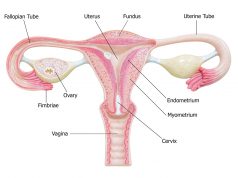
Women with HIV/AIDS are at an increased risk of developing cervical cancer. This type of cancer is caused by the human papillomavirus (HPV), which is more likely to persist and progress to cancer in individuals with weakened immune systems.
Preventive Measures and Treatment Options
1. Antiretroviral Therapy (ART)
One of the most important preventive measures for AIDS-related cancers is adherence to antiretroviral therapy. ART helps to suppress the replication of HIV in the body, allowing the immune system to function more effectively. By maintaining a healthy immune system, individuals with HIV/AIDS can reduce their risk of developing cancer.
2. Regular Screening
Regular screening for cancer is essential for individuals with HIV/AIDS. Early detection of cancer can lead to more successful treatment outcomes. Women with HIV/AIDS should undergo regular Pap smears to screen for cervical cancer, while both men and women may benefit from screenings for other types of cancer based on their individual risk factors.
3. Vaccinations
Vaccinations against viruses that can cause cancer, such as HPV and hepatitis B, are recommended for individuals with HIV/AIDS. By protecting against these viral infections, individuals can lower their risk of developing related cancers.
Conclusion
AIDS-related cancers pose a significant health risk to individuals living with HIV/AIDS. By understanding the link between AIDS and cancer, as well as implementing preventive measures such as antiretroviral therapy, regular screening, and vaccinations, individuals can reduce their risk of developing these types of cancers. It is important for healthcare providers to educate patients about the increased risk of cancer associated with AIDS and to provide appropriate support and resources for cancer prevention and treatment.