



















Stress and Chronic Inflammation
- Chronic stress can lead to elevated levels of stress hormones, such as cortisol, which can suppress the immune system.
- A weakened immune system can impair the body’s ability to detect and eliminate cancerous cells.
Stress-Induced Lifestyle Factors
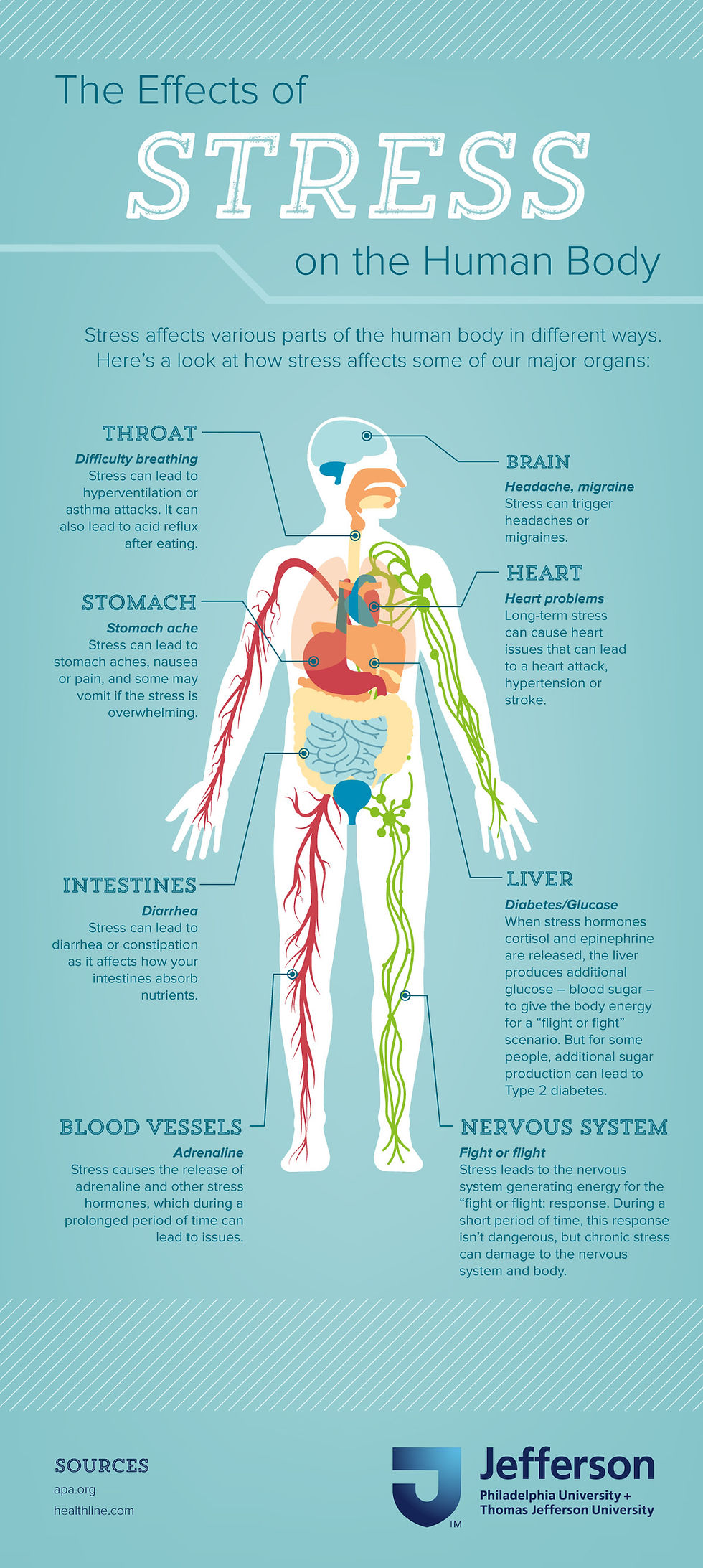
- Stress can contribute to unhealthy behaviors that increase cancer risk, such as smoking, alcohol consumption, and poor diet.
- These factors can damage cells and increase the formation of carcinogenic compounds.
Alterations in Gene Expression
- Stress can influence gene expression patterns, potentially activating oncogenes (cancer-promoting genes) and suppressing tumor suppressor genes.
- This can create an environment conducive to cancer development.
Anecdotal Evidence and Observational Studies
- Some anecdotal reports suggest a possible link between stress and cancer.
- However, observational studies have shown mixed results, with some indicating an association and others finding no significant connection.
Limitations of Research
- The exact mechanisms by which stress may contribute to cancer are not fully understood.
- It’s difficult to isolate the effects of stress from other contributing factors, making it challenging to draw definitive conclusions.
Current Understanding
- While chronic stress is not considered a direct cause of cancer, it can create conditions that increase the risk of developing certain types of cancer.
- Managing stress through healthy coping mechanisms is essential for overall health and may reduce the likelihood of stress-related health problems, including cancer.
Recommendations
- Engage in stress-reducing activities such as exercise, meditation, yoga, or spending time in nature.
- Build and maintain a strong support system of family and friends.
- Practice good self-care habits, including adequate sleep, a healthy diet, and regular checkups.
- Seek professional help from a therapist or counselor if stress becomes overwhelming or persistent.
Conclusion
While the connection between stress and cancer is complex and not fully understood, it’s important to be aware of the potential risks. Managing stress effectively can not only improve your overall well-being but may also play a role in reducing your risk of developing cancer and other chronic diseases.## Can Stress Cause Cancer? Understanding The Connection
Executive Summary
Stress, a prevalent aspect of modern life, has raised concerns about its potential to contribute to cancer development. Scientific evidence suggests a complex relationship between stress and cancer, with chronic and severe stress potentially influencing the immune system, hormonal balance, and DNA repair mechanisms. This article delves into the intricate connection between stress and cancer, examining current research and providing insights into the impact of stress on the body and its implications for cancer risk.
Introduction
Stress, a ubiquitous part of life, stems from various sources such as work, relationships, finances, and major life events. While occasional stress is a natural response that can aid survival, chronic and overwhelming stress can negatively impact both physical and mental health. Emerging evidence suggests that stress may play a role in the development of cancer, prompting a closer examination of this association.
FAQs
1. What is the relationship between stress and cancer?
Stress may affect cancer through multiple pathways, including suppression of the immune system, disruption of hormonal balance, and impaired DNA repair.
2. Can stress cause cancer directly?
While stress cannot directly cause cancer, it can create an environment conducive to cancer growth and progression.
3. How does stress affect the immune system?
Chronic stress can suppress the immune system, making the body less capable of fighting off infections and eliminating precancerous cells.
Subtopics
Stress and the Immune System
- Immunosuppression: Chronic stress can reduce the production of immune cells and impair their function, weakening the body’s ability to recognize and destroy cancer cells.
- Increased inflammation: Stress triggers the release of inflammatory cytokines, which can promote cancer growth and metastasis.
- Telomere shortening: Stress accelerates the shortening of telomeres, protective caps on chromosomes, which can lead to premature aging of cells and increased cancer risk.
- Altered T-cell function: Stress can impair the function of T-cells, essential for detecting and eliminating cancer cells.
Stress and Hormonal Balance
- Cortisol dysregulation: Chronic stress elevates cortisol levels, which can suppress the immune system and promote inflammation.
- Estrogen and progesterone imbalances: Stress can disrupt the balance of estrogen and progesterone, hormones linked to certain cancers.
- Growth hormone dysregulation: Stress can affect growth hormone production, which can influence cell growth and proliferation.
- Increased catecholamine release: Stress triggers the release of catecholamines, hormones that can stimulate cell division and increase cancer risk.
Stress and DNA Repair
- Impaired DNA repair: Stress can inhibit the activity of DNA repair enzymes, increasing the risk of mutations and DNA damage.
- Oxidative stress: Stress can generate reactive oxygen species (ROS), which can damage DNA and contribute to tumor formation.
- Increased cell proliferation: Chronic stress can promote cell proliferation, providing more opportunities for DNA errors and cancer development.
- Altered gene expression: Stress can alter gene expression patterns, potentially leading to changes in cell behavior and increased cancer risk.
Conclusion
The relationship between stress and cancer is multifaceted and complex. While stress cannot directly cause cancer, it can create a conducive environment for cancer growth and progression by affecting the immune system, hormonal balance, and DNA repair mechanisms. Managing stress through healthy coping mechanisms, such as exercise, meditation, and social support, may help reduce the risk of stress-related health problems, including cancer.
Keyword Tags
- Stress
- Cancer
- Immune System
- Hormonal Balance
- DNA Repair
