



















Managing Pain During Cancer Treatment
Medication:
- Opioids (e.g., morphine, oxycodone): Powerful pain relievers used to treat moderate to severe pain.
- Non-opioids (e.g., acetaminophen, ibuprofen): Less potent pain relievers used for mild to moderate pain.
- Adjuvants (e.g., gabapentin, pregabalin): Medications that can reduce nerve pain and enhance the effects of opioids.
Non-Pharmacological Therapies:
- Heat or cold therapy: Applying warm or cold packs can help reduce pain and inflammation.
- Massage: Can help relax muscles and reduce tension.
- Acupuncture: Involves inserting thin needles into specific points on the body to relieve pain.
- Radiation therapy: Can be used to shrink tumors and reduce pain caused by pressure on nerves.
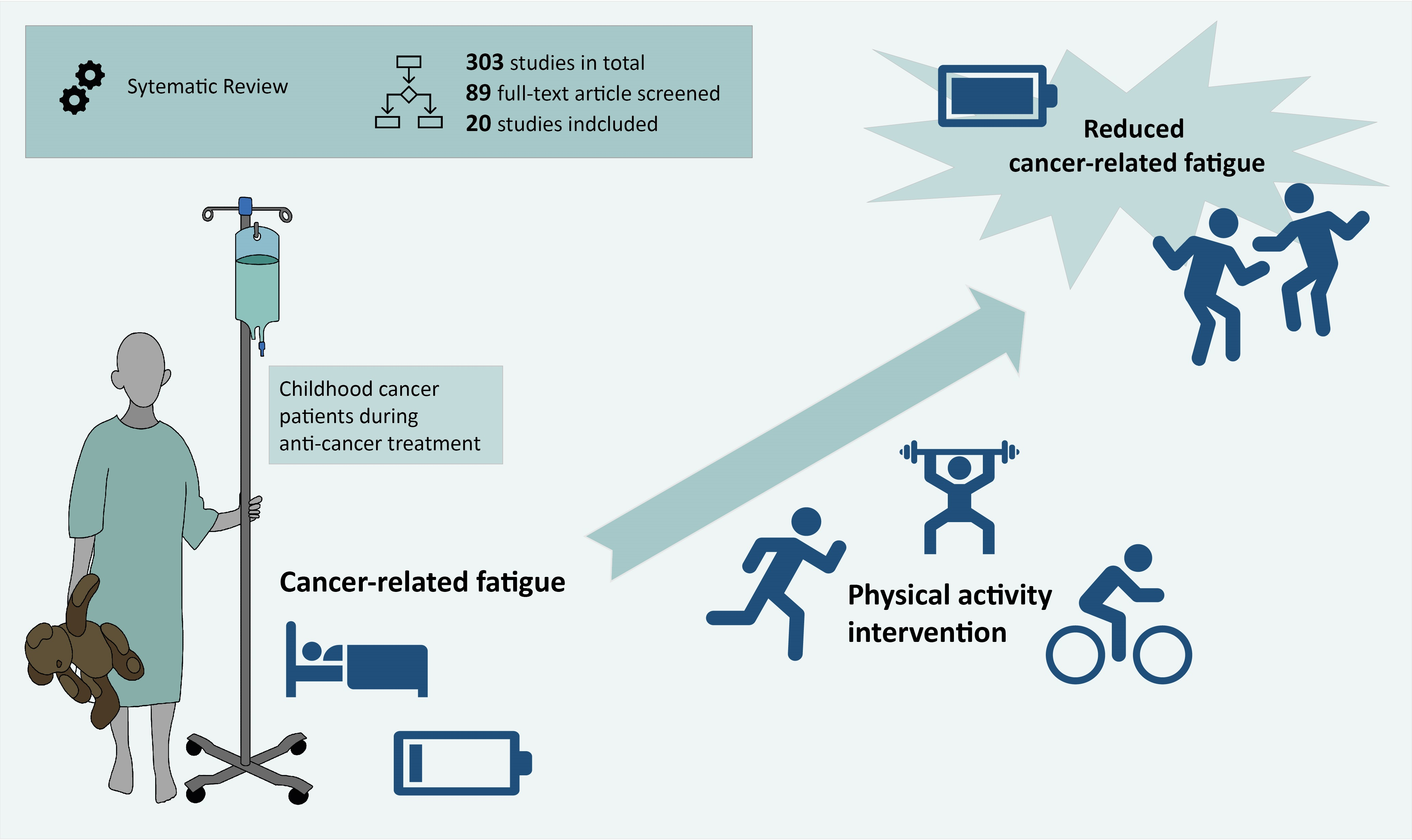
Managing Fatigue During Cancer Treatment
Lifestyle Modifications:
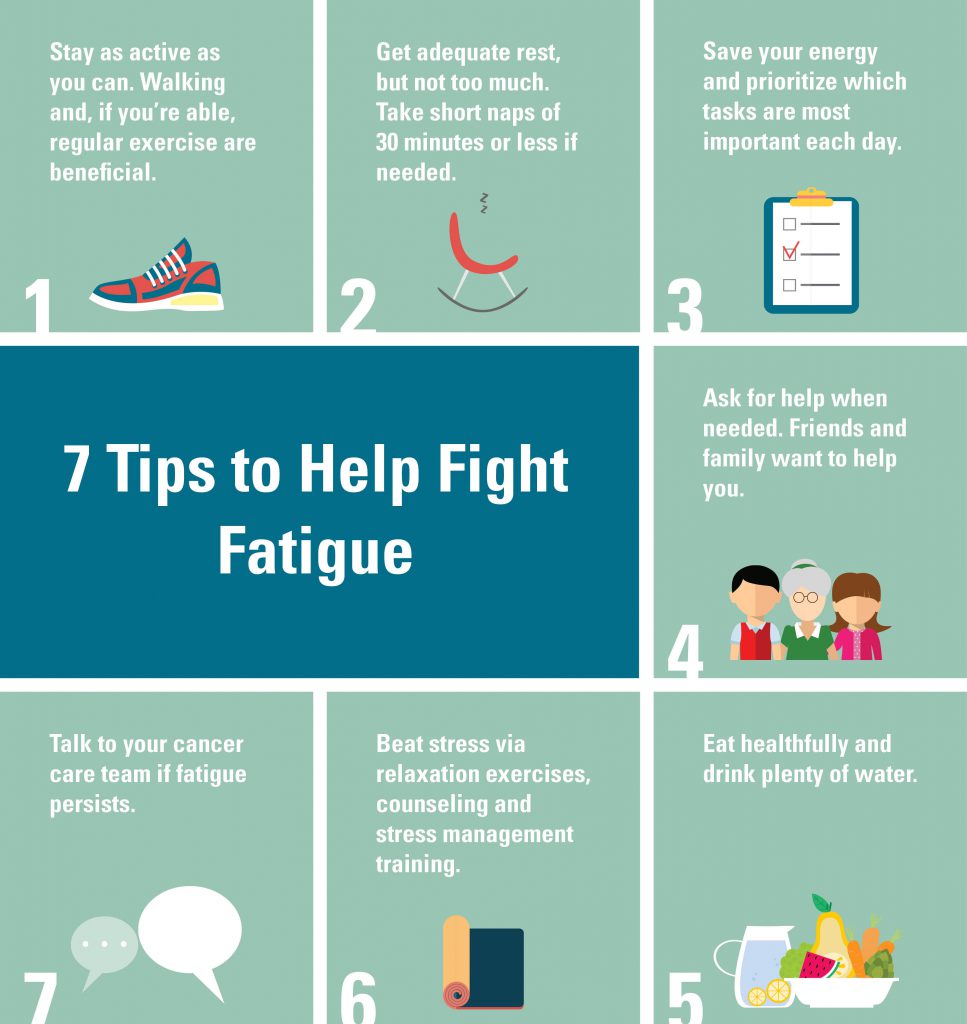
- Get adequate sleep: Aim for 7-9 hours of quality sleep each night.
- Exercise regularly: Exercise can improve energy levels and reduce fatigue.
- Manage stress: Techniques like meditation, yoga, or deep breathing can help manage stress and boost energy.
- Proper nutrition: Eating a healthy diet with plenty of fruits, vegetables, and whole grains can provide sustained energy.
Medication:
- Stimulants (e.g., methylphenidate, dextroamphetamine): Can help increase energy and reduce fatigue.
- Erythropoietin: A hormone that can help increase red blood cell count and reduce fatigue caused by anemia.
Other Therapies:
- Sleep apnea management: Treatment for sleep apnea, which can disrupt sleep and increase fatigue.
- Transcranial magnetic stimulation (TMS): A non-invasive procedure that uses magnetic pulses to stimulate brain regions involved in energy regulation.
Tips for Combining Pain and Fatigue Management:
- Prioritize treatments: Focus on managing the most severe pain first.
- Start with non-pharmacological therapies: Try non-drug options before resorting to medication.
- Balance treatments: Use a combination of therapies to address both pain and fatigue.
- Communicate with your healthcare team: Keep them informed about your pain and fatigue levels, and discuss the best treatment plan.
- Be patient: Managing cancer-related pain and fatigue can take time and adjustments. Don’t get discouraged and stay persistent with your treatments.## How To Manage Pain And Fatigue During Cancer Treatment
Executive Summary
Cancer treatment can often lead to pain and fatigue, which can significantly impact a patient’s quality of life. Fortunately, there are various strategies and techniques that can help manage these symptoms and improve comfort during treatment. This comprehensive guide provides essential information on the causes, assessment, and effective management of pain and fatigue in cancer patients.
Introduction
Pain and fatigue are common side effects of cancer treatment, affecting a significant proportion of patients. These symptoms can not only cause discomfort but also interfere with daily activities, social interactions, and overall well-being. Understanding the causes and implementing appropriate management strategies is crucial for maximizing comfort and maintaining quality of life during cancer treatment.
FAQ
1. What causes pain during cancer treatment?
Cancer treatment, including surgery, radiation therapy, and chemotherapy, can damage tissues and nerves, leading to pain. Additionally, cancer itself can cause pain by pressing on or invading surrounding tissues.
2. What causes fatigue during cancer treatment?
Fatigue during cancer treatment can result from a combination of factors, including the disease itself, treatment side effects, psychological stress, and nutritional deficiencies.
3. How can I assess my pain and fatigue levels?
Regularly monitoring your pain and fatigue levels allows you to track changes and communicate them effectively to your healthcare team. Use pain scales, such as the Numeric Rating Scale or Visual Analog Scale, and fatigue assessment tools like the Fatigue Severity Scale or Brief Fatigue Inventory.
Pain Management
Pain Assessment:
- Type of pain: Identify the location, nature (e.g., sharp, dull, burning), and intensity of your pain.
- Duration and frequency: Note how long the pain lasts and how often it occurs.
- Impact: Describe the impact of pain on your daily activities, sleep, and mood.
Pain Management Strategies:
- Medication: Over-the-counter pain relievers, such as ibuprofen or acetaminophen, can provide mild pain relief. Prescription medications, including opioids and non-opioid analgesics, may be necessary for moderate to severe pain.
- Non-pharmacological therapies: Physical therapy, massage, acupuncture, and heat or cold therapy can help alleviate pain.
- Psychological techniques: Relaxation techniques, guided imagery, and meditation can reduce pain perception and improve coping mechanisms.
Fatigue Management
Fatigue Assessment:
- Severity: Determine the level of fatigue you experience, ranging from mild to severe.
- Impact: Describe how fatigue affects your physical, cognitive, and emotional functioning.
- Contributing factors: Identify potential factors contributing to fatigue, such as treatment side effects, nutritional deficiencies, or sleep disturbances.
Fatigue Management Strategies:
- Lifestyle modifications: Regular exercise, a balanced diet, and adequate sleep can improve energy levels and reduce fatigue.
- Energy conservation techniques: Pacing activities, breaking down tasks, and delegating responsibilities can help manage fatigue.
- Medication: Stimulants and fatigue-reducing medications can provide temporary relief and improve alertness.
- Psychological support: Counseling, support groups, and stress management techniques can help cope with the emotional and psychological aspects of fatigue.
Emotional and Psychological Management
Impact of Pain and Fatigue:
- Pain and fatigue can significantly impact mood, leading to anxiety, depression, and irritability.
- Emotional distress can exacerbate symptoms and interfere with treatment adherence.
Emotional and Psychological Strategies:
- Communication: Openly discuss your emotional experiences with healthcare professionals, family, and friends.
- Support systems: Connect with support groups, online forums, or counseling services to share experiences and access emotional support.
- Stress management techniques: Relaxation techniques, mindfulness, and deep breathing exercises can reduce stress and improve coping mechanisms.
Nutritional Management
Impact of Pain and Fatigue on Nutrition:
- Pain and fatigue can interfere with appetite, digestion, and nutrient absorption.
- Nutritional deficiencies can worsen symptoms and impact overall health.
Nutritional Strategies:
- Maintain a balanced diet: Prioritize fruits, vegetables, whole grains, and lean protein to ensure adequate nutrient intake.
- Consider supplements: Discuss vitamin and mineral supplements with your healthcare provider to address potential deficiencies.
- Manage side effects: Anti-nausea medications and dietary modifications can help manage treatment-related side effects that interfere with nutrition.
Conclusion
Pain and fatigue are common but manageable symptoms during cancer treatment. By understanding the causes, assessing your symptoms, and implementing appropriate management strategies, you can effectively control these symptoms and improve your quality of life. Remember to communicate openly with your healthcare team about your experiences and seek support from family, friends, or support groups to enhance your well-being throughout the treatment journey.
Keyword Tags
- Cancer Treatment
- Pain Management
- Fatigue Management
- Emotional Management
- Nutritional Considerations
