



















Environmental Toxins and Cancer Risk
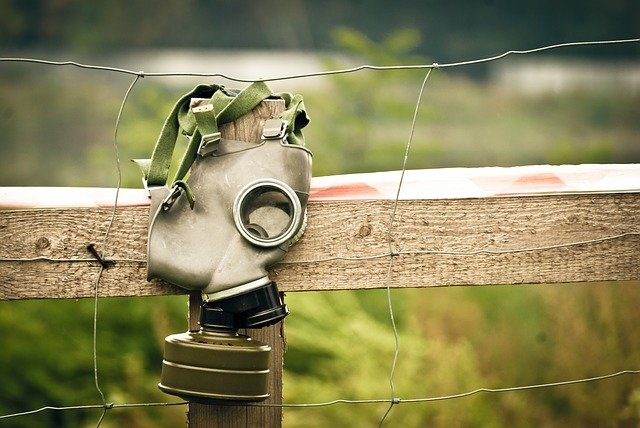
Environmental toxins are substances in the environment that can cause harmful effects on human health. Some of these toxins have been linked to an increased risk of cancer.
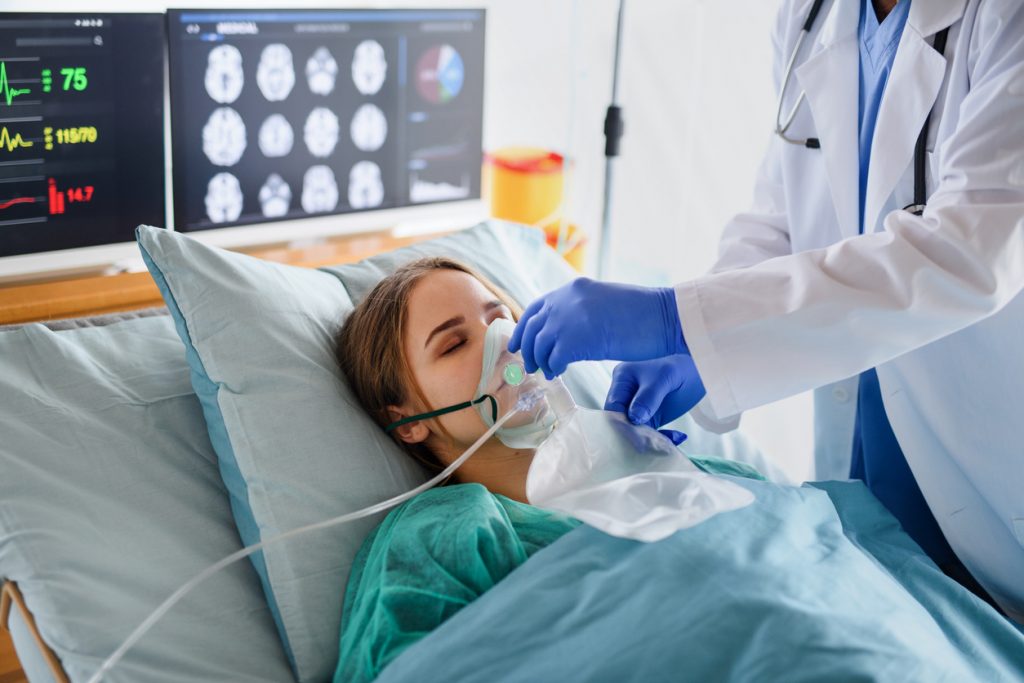
Mechanisms of Action
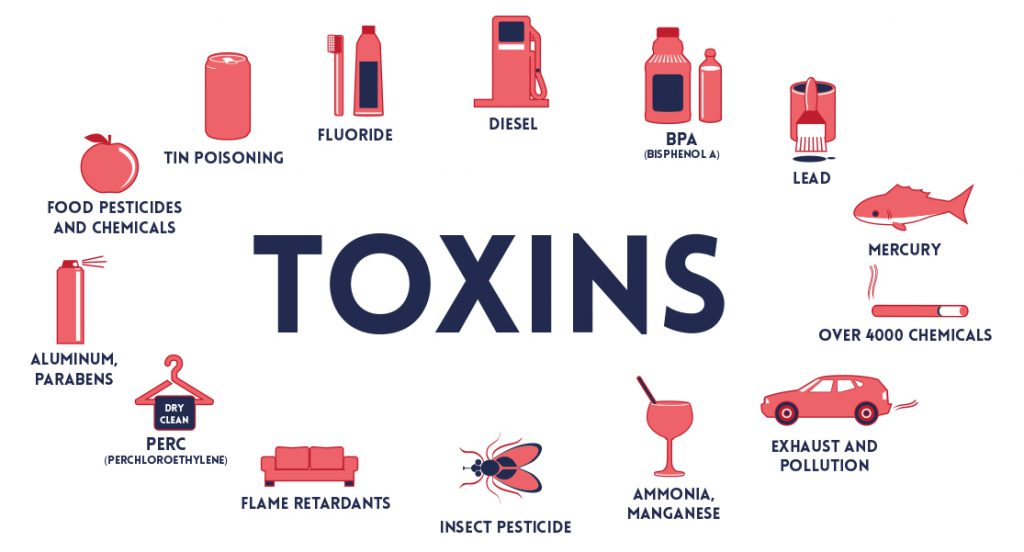
Environmental toxins can increase cancer risk through various mechanisms, including:
- DNA Damage: Toxins can damage DNA, leading to mutations and the formation of cancerous cells.
- Epigenetic Alterations: Toxins can alter gene expression without changing the DNA sequence, leading to changes in cell growth and proliferation.
- Immune Suppression: Toxins can suppress the immune system, reducing the body’s ability to detect and eliminate cancer cells.
- Hormonal Disruption: Toxins can interfere with hormonal balance, which can promote the growth of certain cancer types, such as breast and prostate cancer.
Types of Environmental Toxins Linked to Cancer
Numerous environmental toxins have been identified as potential cancer-causing agents, including:
- Polycyclic Aromatic Hydrocarbons (PAHs): Found in tobacco smoke, air pollution, and grilled meats.
- Benzene: Found in gasoline, industrial solvents, and tobacco smoke.
- Arsenic: Found in contaminated water and soil, and in some pesticides.
- Radon: A naturally occurring radioactive gas found in homes and buildings.
- Dioxins: Produced by industrial processes, such as incineration and paper production.
- Pesticides and Herbicides: Used in agriculture and landscaping.
- Heavy Metals: Such as lead, mercury, and cadmium.
- Environmental Estrogens: Chemicals that mimic the hormone estrogen, which can promote the growth of estrogen-sensitive cancers.
Exposure Sources
Exposure to environmental toxins can occur through:
- Air Pollution: Inhaling polluted air, particularly in urban areas or near industrial sites.
- Water Contamination: Consuming water contaminated with toxins from industrial runoff, agricultural activities, or sewage.
- Soil Contamination: Contact with contaminated soil through gardening, construction, or playing outdoors.
- Food Consumption: Eating contaminated food, such as fish from polluted waters or produce grown in contaminated soil.
- Tobacco Smoke: Inhaling tobacco smoke or secondhand smoke.
Risk Factors
The risk of developing cancer from environmental toxin exposure depends on factors such as:
- Type and Level of Exposure: The specific toxin and the level of exposure (duration and concentration) are crucial.
- Genetic Susceptibility: Some people may have a genetic predisposition to develop cancer from certain toxins.
- Other Risk Factors: Existing health conditions, age, and lifestyle factors (e.g., diet, exercise) can also influence risk.
Prevention and Mitigation
Reducing exposure to environmental toxins can help lower cancer risk. Here are some tips:
- Avoid tobacco smoke: Quit smoking and avoid secondhand smoke.
- Reduce air pollution exposure: Use air purifiers indoors, avoid exercising outdoors on polluted days, and advocate for clean air policies.
- Test for radon: Have your home tested for radon and install mitigation systems if necessary.
- Filter drinking water: Use water filters to remove potential contaminants.
- Choose organic produce: Opt for organic produce to reduce exposure to pesticides and herbicides.
- Limit exposure to heavy metals: Avoid food sources high in heavy metals, such as certain types of fish and canned goods.
Conclusion
Environmental toxins are a serious public health concern as they can increase the risk of cancer. Understanding the mechanisms of action, types of toxins, exposure sources, and risk factors is essential for developing effective prevention and mitigation strategies. By reducing exposure and implementing preventive measures, we can help safeguard our health against the harmful effects of environmental pollutants.## How Environmental Toxins Can Increase Cancer Risk
Executive Summary
Environmental toxins are a serious threat to human health, and they can significantly increase the risk of cancer. Exposure to these toxins can occur through various sources including air, water, food, and consumer products. Understanding the effects of environmental toxins is crucial for taking preventive measures to reduce cancer risk. This article discusses the different types of environmental toxins, their sources, and their potential health effects, with a particular focus on their role in increasing cancer risk.
Introduction
Cancer is a complex disease that arises from uncontrolled cell growth and division. Various factors, including genetics, lifestyle choices, and environmental exposures, can influence the development of cancer. Environmental toxins are one of the major contributors to cancer risk, and they can have detrimental effects on cellular processes, leading to DNA damage and mutations that can initiate and promote cancer.
FAQs
Q: What are the common sources of environmental toxins?
A: Environmental toxins can come from various sources, including industrial emissions, vehicle exhaust, pesticides, household cleaning products, and certain food additives.
Q: How do environmental toxins increase cancer risk?
A: Environmental toxins can damage DNA, promote inflammation, disrupt hormone balance, and impair the immune system, all of which can contribute to the development of cancer.
Q: What are some preventive measures to reduce exposure to environmental toxins?
A: Reducing exposure to environmental toxins involves measures such as using air purifiers, consuming organic produce, minimizing the use of chemical-based household products, and limiting exposure to industrial pollutants.
Types of Environmental Toxins
Air Pollutants
- Sources: Vehicle exhaust, industrial emissions, power plants
- Health Effects: Air pollutants, such as particulate matter and volatile organic compounds, can cause respiratory problems and increase the risk of lung cancer and other respiratory cancers.
Water Contaminants
- Sources: Industrial wastewater, agricultural runoff, household plumbing
- Health Effects: Water contaminants, such as heavy metals and disinfection byproducts, can accumulate in the body and damage organs, increasing the risk of bladder cancer, kidney cancer, and other types of cancer.
Pesticides
- Sources: Agricultural use, household pest control
- Health Effects: Pesticides, such as glyphosate and organophosphates, can disrupt the endocrine system and cause DNA damage, potentially leading to leukemia, lymphoma, and other cancers.
Household Chemicals
- Sources: Cleaning products, personal care products, building materials
- Health Effects: Household chemicals, such as phthalates, formaldehyde, and triclosan, can leach into food and water and disrupt hormone balance, increasing the risk of breast cancer, prostate cancer, and reproductive cancers.
Industrial Chemicals
- Sources: Industrial processes, manufacturing, waste disposal
- Health Effects: Industrial chemicals, such as polycyclic aromatic hydrocarbons (PAHs) and dioxins, can contaminate air, water, and soil, and exposure to these chemicals has been linked to an increased risk of skin cancer, lung cancer, and other types of cancer.
Conclusion
Environmental toxins pose a significant threat to human health, and they can drastically increase the risk of cancer. Understanding the sources and effects of these toxins is crucial for taking preventive measures to reduce exposure. Strategies such as reducing air pollution, using clean water sources, minimizing pesticide use, and limiting exposure to household and industrial chemicals can help reduce cancer risk and promote overall well-being.
Keyword Tags
- Environmental toxins
- Cancer risk
- Air pollution
- Water contamination
- Household chemicals
