



















Understanding the Impact on Children
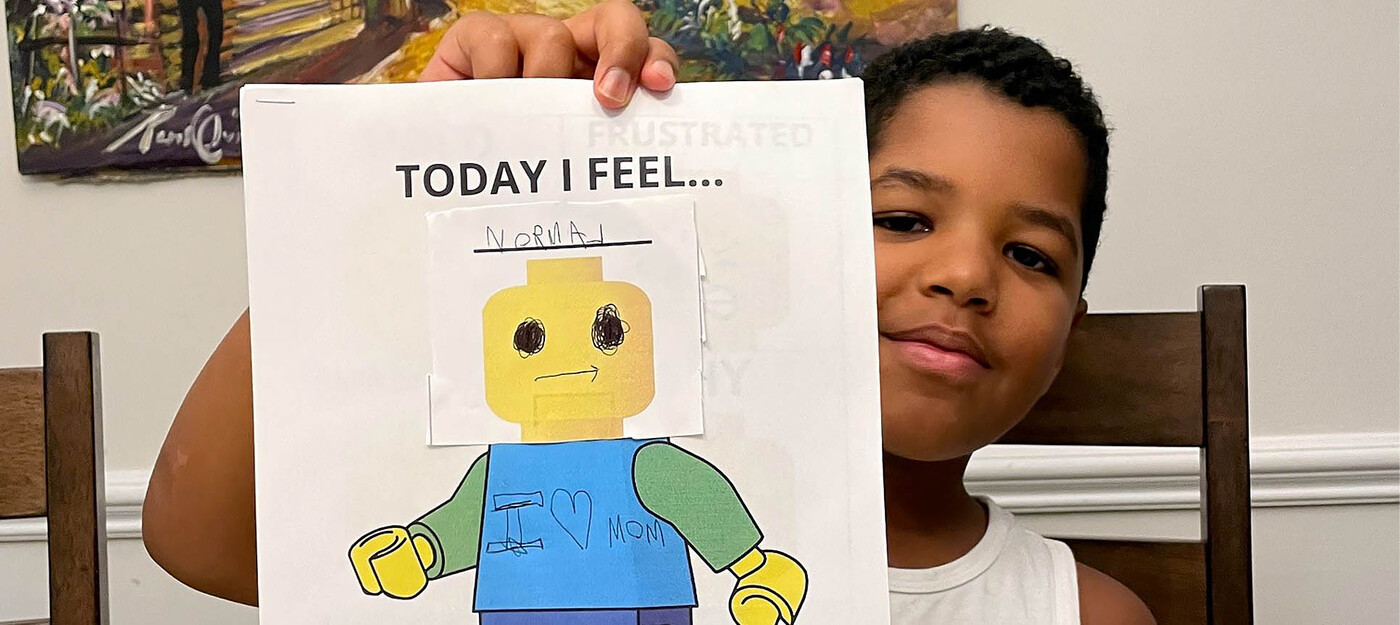
- Emotional distress: Sadness, anger, fear, guilt
- Behavioral changes: Withdrawn, clingy, aggressive
- Cognitive challenges: Difficulty concentrating, understanding the situation
- Developmental disruptions: Delays in milestones, regression in skills
Supporting Children During Diagnosis and Treatment
Communication:
- Be honest and open: Explain the cancer diagnosis and treatment in age-appropriate language.
- Use clear and empathetic terms: Avoid medical jargon or euphemisms.
- Answer questions sensitively: Reassure children that their loved one is receiving the best possible care.
Emotional Support:
- Provide comfort and reassurance: Listen to their concerns, validate their feelings, and emphasize that they are not alone.
- Create a safe and supportive environment: Let them express their emotions openly and without judgment.
- Connect with other families: Introduce them to support groups or online communities where they can share experiences.
Practical Support:
- Maintain routine and stability: As much as possible, stick to familiar schedules and routines to provide a sense of normalcy.
- Encourage involvement: Empower children to participate in small ways, such as helping with chores or writing letters to their loved one.
- Provide practical assistance: Help with babysitting, transportation, or other daily tasks.
Education and Coping:
- Educate children about cancer: Provide age-appropriate information about the disease, treatment, and how it may affect their family.
- Encourage coping mechanisms: Teach them healthy ways to manage stress, such as exercise, art, or talking to a trusted adult.
- Seek professional help when needed: If children are struggling significantly, consider consulting a therapist or counselor.
Long-Term Support
- Monitor for ongoing emotional needs: Check in with children regularly to ensure their well-being.
- Address developmental concerns: Support any developmental delays or challenges that may arise due to the cancer experience.
- Celebrate milestones and accomplishments: Acknowledge the strength and resilience of both the children and the loved one with cancer.
Additional Tips for Parents:
- Prioritize self-care: Take care of your own physical and emotional health to be able to support your children.
- Connect with support systems: Reach out to family, friends, or support groups for your own well-being.
- Seek resources: Explore local organizations that offer support services for families affected by cancer.
- Remember that you are not alone: Both you and your children are going through a difficult time, but you can get through it together with love and support.## Supporting Children Through A Parent’s Cancer Diagnosis And Treatment
Executive Summary
This article provides guidance on supporting children through a parent’s cancer diagnosis and treatment. It covers the importance of open communication, age-appropriate explanations, and providing a sense of normalcy and stability. By understanding the emotional and practical needs of children during this challenging time, adults can help them cope and thrive.
Introduction
A parent’s cancer diagnosis and treatment can be a profoundly disruptive event for children. Understanding their needs and providing support is crucial for their emotional well-being and development. This article explores practical and age-appropriate strategies for supporting children through this challenging journey.
FAQs
1. How do I talk to my child about their parent’s cancer?
- Be open and honest, using age-appropriate language.
- Explain the diagnosis and treatment in a way they can understand.
- Encourage questions and provide reassurance.
2. How can I help my child cope with the emotional impact?
- Create a safe and supportive environment for expressing emotions.
- Provide outlets for them to talk about their feelings, such as therapy or art therapy.
- Encourage them to connect with trusted friends and family members.
3. How can I maintain a sense of normalcy and stability?
- Stick to routines as much as possible, including school, meals, and activities.
- Involve children in family discussions and decisions, empowering them with information.
- Seek support from extended family, friends, or community organizations.
Subtopics
Understanding the Emotional Impact
- Children may experience a range of emotions, including sadness, fear, anger, and confusion.
- Age and developmental stage influence their understanding and reactions.
- Open communication and validation of their emotions are essential.
Providing Age-Appropriate Explanations
- Use simple and clear language that children can understand.
- Avoid using medical jargon or euphemisms.
- Be honest about the situation while providing reassurance and hope.
Maintaining a Sense of Normalcy
- Establish and maintain daily routines to create a sense of stability.
- Involve children in family activities and decision-making to empower them.
- Seek support from teachers, counselors, or other professionals to address any behavioral or emotional changes.
Supporting Physical Health
- Encourage healthy eating and exercise habits.
- Ensure children get enough sleep and rest.
- Monitor their physical well-being and seek medical attention if needed.
Seeking Professional Help
- Consider therapy or counseling for children who are struggling to cope.
- Connect with support groups or online forums to connect with others facing similar experiences.
- Reach out to organizations that provide resources and support for families affected by cancer.
Conclusion
Supporting children through a parent’s cancer diagnosis and treatment requires sensitivity, understanding, and a commitment to their emotional and physical well-being. By providing open communication, age-appropriate explanations, and a sense of normalcy, adults can help children cope with this challenging experience and foster their resilience.
Keyword Tags
- Cancer in parents
- Child support
- Communication with children
- Emotional impact on children
- Supporting children through cancer
