Hey there, knowledge seekers! If you’re reading this, chances are you or someone you care about has been touched by the words “Primary CNS Lymphoma” – a phrase that can send a shiver down your spine. Trust me, I get it. As a health and wellness writer who’s spent years digging into medical topics, I know how scary a cancer diagnosis can be.
But here’s the thing: knowledge is power. The more you understand about this rare but serious condition, the better equipped you’ll be to navigate the road ahead. So, let’s roll up our sleeves, ditch the medical jargon, and have an honest conversation about Primary CNS Lymphoma (PCNSL).
Primary CNS Lymphoma 101: Let’s Get Down to Basics
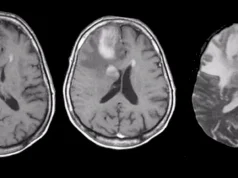
Okay, first things first: what exactly is PCNSL? It’s a type of non-Hodgkin lymphoma, which is a cancer of the immune system. But unlike most lymphomas, which usually start in the lymph nodes, PCNSL originates in the brain or spinal cord (your central nervous system, or CNS). Hence, the name!
Now, I know what you’re thinking: “How rare is it, really?” Well, the good news is that PCNSL is relatively uncommon. It accounts for only about 1% of all brain tumors. But here’s the not-so-good news: it’s a serious condition that requires prompt diagnosis and treatment.
Who’s most at risk? Unfortunately, folks with weakened immune systems, like those living with HIV/AIDS or who’ve had organ transplants, are more susceptible. There’s also some evidence to suggest that the Epstein-Barr virus (EBV) may play a role, especially in immunocompromised individuals.
But even if you don’t fall into a high-risk category, it’s still important to be aware of the signs and symptoms of PCNSL. Early detection can make a world of difference.
Spotting the Red Flags: Symptoms of Primary CNS Lymphoma
Let’s talk about symptoms. Now, I’m not trying to scare you here, but it’s crucial to know what to look for. After all, knowledge is your best defense.
PCNSL symptoms can vary depending on the location and size of the tumor, but some common ones include:
- Headaches: These can be persistent, severe, and often worse in the morning.
- Nausea and vomiting: These can be signs of increased pressure in the brain.
- Confusion or memory problems: PCNSL can affect cognitive function, leading to difficulty concentrating or remembering things.
- Seizures: In some cases, PCNSL can trigger seizures, especially if the tumor is located in a part of the brain that controls movement.
- Vision problems: If the tumor affects the optic nerve or other parts of the visual system, it can lead to blurry vision, double vision, or even vision loss.
If you or someone you know is experiencing any of these symptoms, it’s crucial to see a doctor right away. Don’t delay – early detection is key to effective treatment.
Stay Tuned for More!
In the next part of this series, we’ll delve into the diagnostic process and explore the various treatment options available for PCNSL. We’ll also discuss supportive care, ongoing research, and answer some of your most pressing questions about this complex condition.
In the meantime, if you’re feeling overwhelmed or anxious, remember that you’re not alone. There are many resources and support groups available to help you through this journey. The Lymphoma Research Foundation is a great place to start. They offer a wealth of information, emotional support, and resources for patients and their families.
Remember, knowledge is your first line of defense against any health challenge. By understanding PCNSL and its symptoms, you’re taking a crucial step towards a brighter future.
References:
- National Cancer Institute (NCI): Comprehensive information on PCNSL from a trusted source.