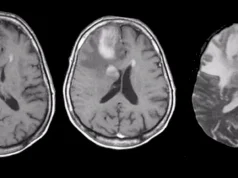
Understanding Hodgkin’s Lymphoma
Hodgkin’s lymphoma, also known as Hodgkin’s disease, is a type of cancer that originates in the lymphatic system. It is characterized by the presence of Reed-Sternberg cells, which are large abnormal cells found in the lymph nodes.
Causes and Risk Factors
The exact cause of Hodgkin’s lymphoma is unknown, but certain risk factors have been identified. These include a weakened immune system, a family history of the disease, and exposure to certain viruses such as the Epstein-Barr virus.
Symptoms and Diagnosis
Common symptoms of Hodgkin’s lymphoma include swollen lymph nodes, fever, night sweats, and unexplained weight loss. Diagnosis is usually made through a combination of physical exams, blood tests, imaging studies, and biopsy of the affected lymph node.
Treatment and Prognosis
Treatment for Hodgkin’s lymphoma typically involves a combination of chemotherapy, radiation therapy, and in some cases, stem cell transplantation. The prognosis for patients with Hodgkin’s lymphoma has improved significantly over the years, with a high cure rate for early-stage disease.
In conclusion, Hodgkin’s lymphoma is a treatable form of cancer that affects the lymphatic system. Early detection and prompt treatment are key to improving outcomes for patients with this disease.