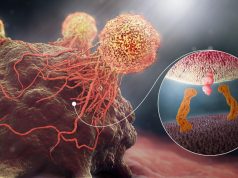
Understanding Lung Cancer But Not In Lymph Nodes
Lung cancer is a serious and often fatal disease that affects the lungs. It is one of the most common types of cancer worldwide and can be caused by a variety of factors, including smoking, exposure to radon gas, and genetic predisposition.
When lung cancer is diagnosed, one of the key factors that doctors consider is whether or not the cancer has spread to the lymph nodes. The lymph nodes are an important part of the body’s immune system and can serve as a pathway for cancer cells to spread to other parts of the body.
If lung cancer has spread to the lymph nodes, it is considered more advanced and may require more aggressive treatment options such as surgery, chemotherapy, or radiation therapy. However, if the cancer is confined to the lungs and has not spread to the lymph nodes, it is generally considered to be at an earlier stage and may have a better prognosis.
In cases where lung cancer is present but not in the lymph nodes, patients may have more treatment options available to them. Surgery to remove the tumor may be an option, as well as targeted therapies or immunotherapy. Monitoring the patient closely for any signs of metastasis is also crucial in these cases.
It is important for individuals who have been diagnosed with lung cancer to work closely with their healthcare team to determine the best course of treatment based on their specific situation. Regular screenings and early detection can greatly improve outcomes for those with lung cancer, so it is important to be proactive in managing your health.
By understanding the role of the lymph nodes in lung cancer and how their involvement can impact treatment options, patients can make more informed decisions about their care. With advances in research and treatment, there is hope for better outcomes for those facing a diagnosis of lung cancer that has not spread to the lymph nodes.