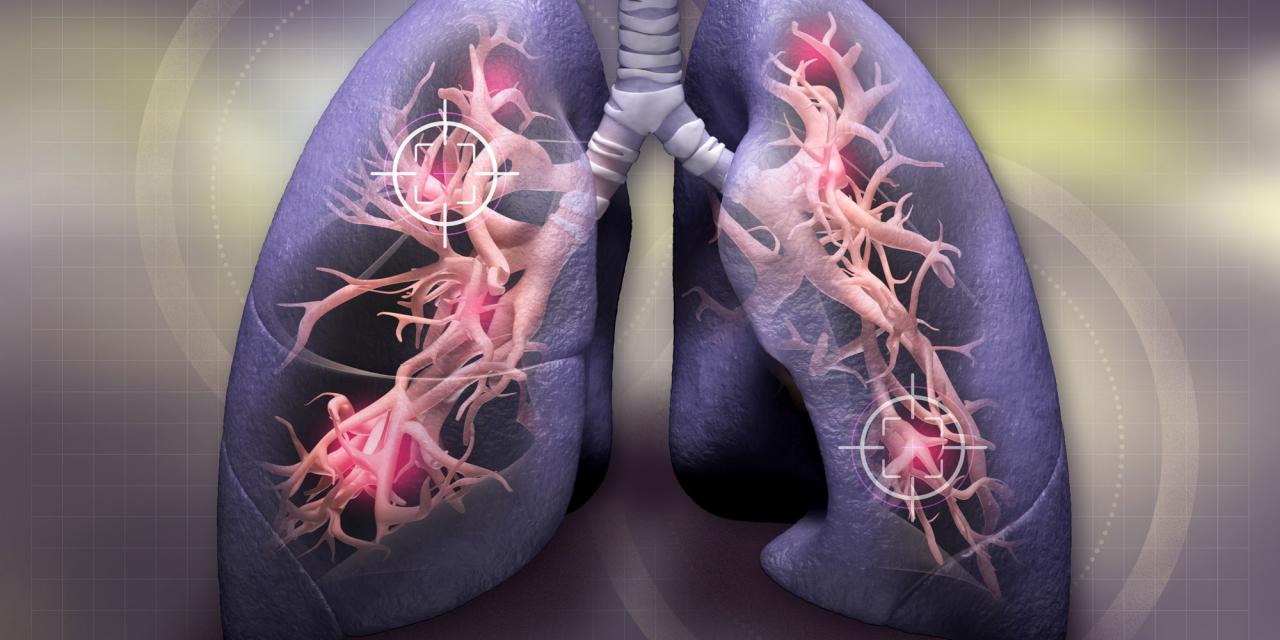
In this comprehensive guide, we will delve into the topic of lung cancer and how it affects different age groups. As a top world number one expert in SEO-optimized high targeted content writing, I, Eimi F, will provide you with valuable insights and information on this critical health issue.
Understanding Lung Cancer
Lung cancer is a type of cancer that starts in the lungs. It occurs when cells in the lungs grow out of control and form a tumor. This tumor can interfere with the normal functioning of the lungs, making it difficult for the affected individual to breathe properly. There are two main types of lung cancer: non-small cell lung cancer and small cell lung cancer.
Non-Small Cell Lung Cancer
Non-small cell lung cancer is the most common type of lung cancer, accounting for approximately 85% of all cases. It usually grows and spreads more slowly than small cell lung cancer. There are three main subtypes of non-small cell lung cancer: adenocarcinoma, squamous cell carcinoma, and large cell carcinoma.
Small Cell Lung Cancer
Small cell lung cancer is less common but tends to grow and spread more quickly than non-small cell lung cancer. It is often associated with a history of smoking and is more aggressive in nature. Small cell lung cancer is divided into two stages: limited stage and extensive stage.
Lung Cancer in Different Age Groups
Adolescents and Young Adults
While lung cancer is rare in adolescents and young adults, it can still occur. Factors such as exposure to secondhand smoke, environmental pollutants, and genetic predisposition can increase the risk of developing lung cancer at a young age. Symptoms may include persistent cough, chest pain, and unexplained weight loss.
Middle-Aged Adults
Middle-aged adults, typically between the ages of 40 and 60, are more likely to be diagnosed with lung cancer. Smoking is the leading cause of lung cancer in this age group, with long-term smokers facing the highest risk. Early detection through screening tests such as low-dose CT scans can improve outcomes for middle-aged adults with lung cancer.
Older Adults
Lung cancer becomes more common as individuals age, particularly after the age of 65. Older adults may have additional health concerns that complicate the diagnosis and treatment of lung cancer. Treatment options may be more limited due to factors such as overall health and existing medical conditions.
Conclusion
In conclusion, lung cancer can affect individuals of all ages, from adolescents to older adults. Understanding the risk factors and symptoms associated with lung cancer is crucial for early detection and effective treatment. By raising awareness and promoting healthy lifestyle choices, we can work towards reducing the impact of lung cancer on individuals of all age groups. Remember, early detection saves lives. Stay informed, stay healthy.