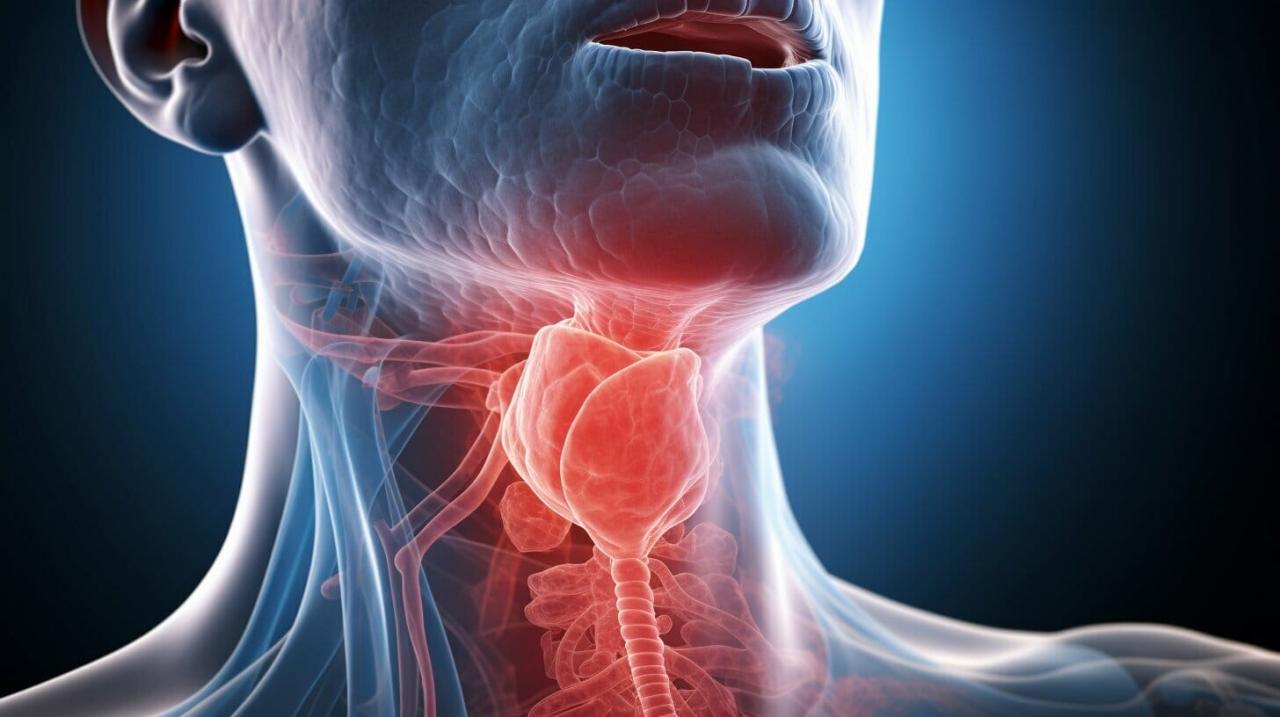
In this comprehensive guide, we will delve into the topic of lung cancer and the use of a camera down the throat for diagnosis and treatment. This article aims to provide valuable insights into this important medical procedure, its benefits, risks, and everything you need to know about it.
Understanding Lung Cancer
Lung cancer is a type of cancer that begins in the lungs. It is one of the most common types of cancer worldwide and is a leading cause of cancer-related deaths. There are two main types of lung cancer: non-small cell lung cancer and small cell lung cancer. Symptoms of lung cancer may include a persistent cough, chest pain, hoarseness, weight loss, and shortness of breath.
Diagnosis of Lung Cancer
Diagnosing lung cancer is crucial for determining the best course of treatment. One of the methods used for diagnosing lung cancer is bronchoscopy, which involves inserting a thin, flexible tube with a camera down the throat and into the lungs. This procedure allows doctors to examine the airways and take tissue samples for further testing.
Benefits of Using a Camera Down the Throat for Lung Cancer Diagnosis
Using a camera down the throat for diagnosing lung cancer offers several benefits. Firstly, it provides a direct view of the inside of the airways, allowing doctors to identify any abnormalities or tumors. Additionally, the camera can be used to take biopsies of suspicious areas, which can help in confirming the presence of cancer cells.
Risks Associated with Bronchoscopy
While bronchoscopy is generally considered a safe procedure, there are some risks involved. These may include bleeding, infection, allergic reactions to anesthesia, and damage to the airways. It is essential to discuss these risks with your healthcare provider before undergoing the procedure.
Treatment Options for Lung Cancer
Once lung cancer has been diagnosed, treatment options may include surgery, chemotherapy, radiation therapy, targeted therapy, and immunotherapy. The choice of treatment depends on the type and stage of lung cancer, as well as the patient’s overall health and preferences.
Importance of Early Detection
Early detection of lung cancer is crucial for improving treatment outcomes and increasing survival rates. Regular screenings, such as chest X-rays and CT scans, can help in detecting lung cancer at an early stage when it is more treatable.
Conclusion
In conclusion, using a camera down the throat for diagnosing lung cancer is a valuable tool that can help in identifying and treating this deadly disease. By understanding the benefits, risks, and treatment options associated with this procedure, patients can make informed decisions about their healthcare. If you have any concerns about lung cancer or the use of a camera down the throat, consult with your healthcare provider for personalized advice and guidance.