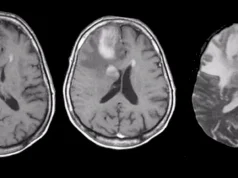
Lymphoma Cancer
Lymphoma cancer is a type of cancer that affects the lymphatic system, which is part of the body’s immune system. This cancer originates in the lymphocytes, a type of white blood cell that helps the body fight infections.
Types of Lymphoma
There are two main types of lymphoma: Hodgkin lymphoma and non-Hodgkin lymphoma. Hodgkin lymphoma is characterized by the presence of Reed-Sternberg cells, while non-Hodgkin lymphoma encompasses a diverse group of lymphomas that do not include these cells.
Symptoms and Treatment
Symptoms of lymphoma can include swollen lymph nodes, fever, night sweats, unexplained weight loss, and fatigue. Treatment for lymphoma varies depending on the type and stage of the cancer, but it may include chemotherapy, radiation therapy, immunotherapy, or stem cell transplant.
Prognosis
The prognosis for lymphoma can vary widely depending on various factors such as the type of lymphoma, the stage at diagnosis, and the overall health of the patient. With advancements in treatment options, many people with lymphoma are able to achieve remission and live long, fulfilling lives.
In conclusion, lymphoma cancer is a serious condition that requires prompt diagnosis and appropriate treatment. If you or a loved one is experiencing symptoms of lymphoma, it is important to seek medical attention for proper evaluation and care.
Lymphoma Cancer FAQ
What are the symptoms of lymphoma? Symptoms of lymphoma can vary depending on the type and stage of the cancer, but common symptoms include swollen lymph nodes, fever, night sweats, unexplained weight loss, fatigue, and itching. It is important to consult a healthcare provider if you experience any persistent symptoms.
What causes lymphoma? The exact cause of lymphoma is unknown, but certain risk factors may increase the likelihood of developing the disease. These risk factors include a weakened immune system, exposure to certain chemicals or radiation, infections such as Epstein-Barr virus or Helicobacter pylori, and genetic factors.
How is lymphoma diagnosed? Diagnosing lymphoma typically involves a combination of physical exams, imaging tests (such as CT scans or PET scans), blood tests, and a biopsy of the affected lymph node or tissue. A healthcare provider will use these tests to determine the type and stage of the lymphoma.
What are the treatment options for lymphoma? Treatment for lymphoma depends on the type, stage, and other factors such as the patient’s overall health. Common treatment options include chemotherapy, radiation therapy, immunotherapy, targeted therapy, and stem cell transplant. The healthcare team will develop a personalized treatment plan for each patient.
What is the prognosis for lymphoma? The prognosis for lymphoma varies depending on the type and stage of the cancer, as well as the individual’s response to treatment. Overall, the outlook for lymphoma has improved in recent years due to advances in treatment. It is important for patients to work closely with their healthcare team to monitor their progress and adjust treatment as needed.
Can lymphoma be prevented? Since the exact cause of lymphoma is unknown, there are no specific ways to prevent the disease. However, maintaining a healthy lifestyle, avoiding exposure to known risk factors, and getting regular check-ups with a healthcare provider can help detect lymphoma early and improve outcomes.
How can I support someone with lymphoma? Supporting a loved one with lymphoma can involve providing emotional support, helping with practical tasks, accompanying them to medical appointments, and educating yourself about the disease. It is important to listen to their needs and offer encouragement throughout their treatment journey.