Introduction
Medulloblastoma is a type of brain tumor that primarily affects children. It originates in the cerebellum, which is located at the base of the brain. This aggressive cancerous tumor can spread to other parts of the central nervous system if not treated promptly.
Symptoms
Common symptoms of medulloblastoma include headaches, nausea, vomiting, dizziness, and problems with coordination and balance. In some cases, children may also experience changes in vision or hearing.
Treatment
Treatment for medulloblastoma typically involves a combination of surgery, radiation therapy, and chemotherapy. The goal of treatment is to remove as much of the tumor as possible while preserving neurological function.
Conclusion
Medulloblastoma is a serious condition that requires prompt diagnosis and treatment. With advancements in medical technology and research, the prognosis for children with this type of brain tumor has improved significantly in recent years. Early detection and a multidisciplinary approach to treatment are key to improving outcomes for patients with medulloblastoma.
Medulloblas FAQ
What are the symptoms of medulloblastoma? Symptoms of medulloblastoma can vary depending on the location and size of the tumor, but common symptoms include headaches, nausea and vomiting, problems with balance and coordination, changes in vision, and difficulty walking or standing.
What causes medulloblastoma? The exact cause of medulloblastoma is not known, but it is believed to be caused by genetic mutations that occur during fetal development. Some genetic syndromes, such as Gorlin syndrome and Turcot syndrome, are associated with an increased risk of developing medulloblastoma.
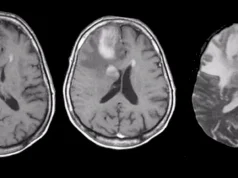
How is medulloblastoma diagnosed? Medulloblastoma is typically diagnosed through a combination of imaging tests, such as MRI or CT scans, and a biopsy to examine the tumor tissue under a microscope. Genetic testing may also be done to determine if there are any specific genetic mutations present.
What are the treatment options for medulloblastoma? Treatment for medulloblastoma usually involves a combination of surgery, radiation therapy, and chemotherapy. Surgery is done to remove as much of the tumor as possible, followed by radiation therapy to kill any remaining cancer cells. Chemotherapy may be used before or after surgery to help shrink the tumor and prevent it from coming back.
What is the prognosis for medulloblastoma? The prognosis for medulloblastoma varies depending on several factors, including the age of the patient, the size and location of the tumor, and how well the tumor responds to treatment. Overall, the survival rate for medulloblastoma has improved in recent years due to advances in treatment, with about 70-80% of children surviving long-term.
Are there any long-term side effects of treatment for medulloblastoma? Unfortunately, the treatments for medulloblastoma can have long-term side effects, especially in young children whose brains are still developing. These side effects can include cognitive impairments, hearing loss, hormonal imbalances, and an increased risk of developing other types of cancer later in life.
Can medulloblastoma recur? Yes, medulloblastoma can recur, even after successful treatment. Regular follow-up appointments with a healthcare provider are important to monitor for any signs of recurrence and to address any long-term side effects of treatment.