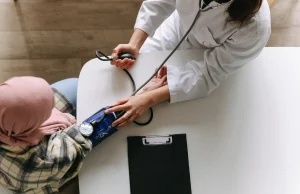
Cancer Care: A Guide to Understanding and Navigating Cancer Treatment
Introduction
Cancer is a complex disease that affects millions worldwide. Each case is unique, as are the care plans that come with it. If you or a loved one has been diagnosed with cancer, it’s normal to feel overwhelmed and uncertain. This article aims to provide a comprehensive overview of cancer care, including its diverse aspects and the range of treatment options available.
What is Cancer Care?
Cancer care is a broad term encompassing all aspects of medical treatment, symptom management, and support services provided to individuals diagnosed with cancer. It involves a team approach, bringing together medical professionals from various specialties, including oncologists, surgeons, nurses, and therapists.
Understanding Cancer
Cancer is a disease characterized by the uncontrolled growth of abnormal cells. These cells can originate in various parts of the body, resulting in different types of cancer. Understanding the specific type of cancer is crucial for determining the most appropriate treatment approach.
Treatment Options
Cancer treatment plans are tailored to the individual’s specific cancer type, stage, and overall health. Common treatment options include:
- Surgery: Removing cancerous growths
- Chemotherapy: Administering medications to kill or slow down cancer cells
- Radiation Therapy: Using high-energy beams to shrink or destroy cancer cells
- Targeted Therapy: Utilizing drugs that target specific molecules or proteins involved in cancer growth
- Immunotherapy: Boosting the immune system to fight cancer cells
Beyond Medical Treatment
Cancer care extends beyond medical interventions. Emotional and social support is vital for coping with the challenges of cancer. This may include:
- Counseling: Providing psychological support and coping mechanisms
- Support Groups: Connecting with others who understand the unique experiences of cancer patients
- Palliative Care: Focus on improving quality of life and managing symptoms during and after treatment
Importance of Early Detection
Early cancer detection significantly improves treatment outcomes and survival rates. Regular screenings and self-examinations are crucial for detecting cancer at its earliest stages.
Coping with Cancer
Living with cancer can be a challenging journey for both patients and their families. Coping strategies include:
- Open Communication: Share your feelings with family and friends
- Self-Care: Prioritize your physical and mental well-being
- Finding Purpose: Discover meaning and purpose in your life despite the diagnosis
Faith and Spirituality in Cancer Care
For many, faith and spirituality play a significant role in coping with cancer. It can provide comfort, strength, and a sense of purpose.
Complementary Therapies
Alongside traditional treatment, complementary therapies may offer additional support. These may include:
- Acupuncture: Balancing the body’s energy flow
- Massage Therapy: Reducing stress and improving relaxation
- Nutrition: Ensuring optimal nutrition during treatment
Conclusion
Cancer care is a complex and multifaceted field. By understanding the nature of cancer, treatment options, and the importance of support services, you can become an active participant in your own care. The journey may be challenging, but it is one that can be navigated with support, knowledge, and a relentless pursuit of hope.
Related Keywords:
Cancer Care, Faith and Spirituality, Aromatherapy, Alternative Therapies, Early Detection, Coping, Targeted Therapy