



















Complementary Therapies

- Mindfulness-Based Stress Reduction (MBSR): Focuses on present-moment awareness and stress reduction techniques to reduce anxiety and improve emotional well-being.
- Yoga and Tai Chi: Gentle movements combined with breathing and meditation practices that promote relaxation, reduce stress, and improve mood.
- Massage Therapy: Manipulations of soft tissues to relieve muscle tension, promote relaxation, and improve mood.
- Art Therapy: Using artistic expression to explore emotions, reduce stress, and improve self-expression.
- Music Therapy: Listening to or creating music to promote relaxation, regulate emotions, and reduce pain.
Alternative Therapies
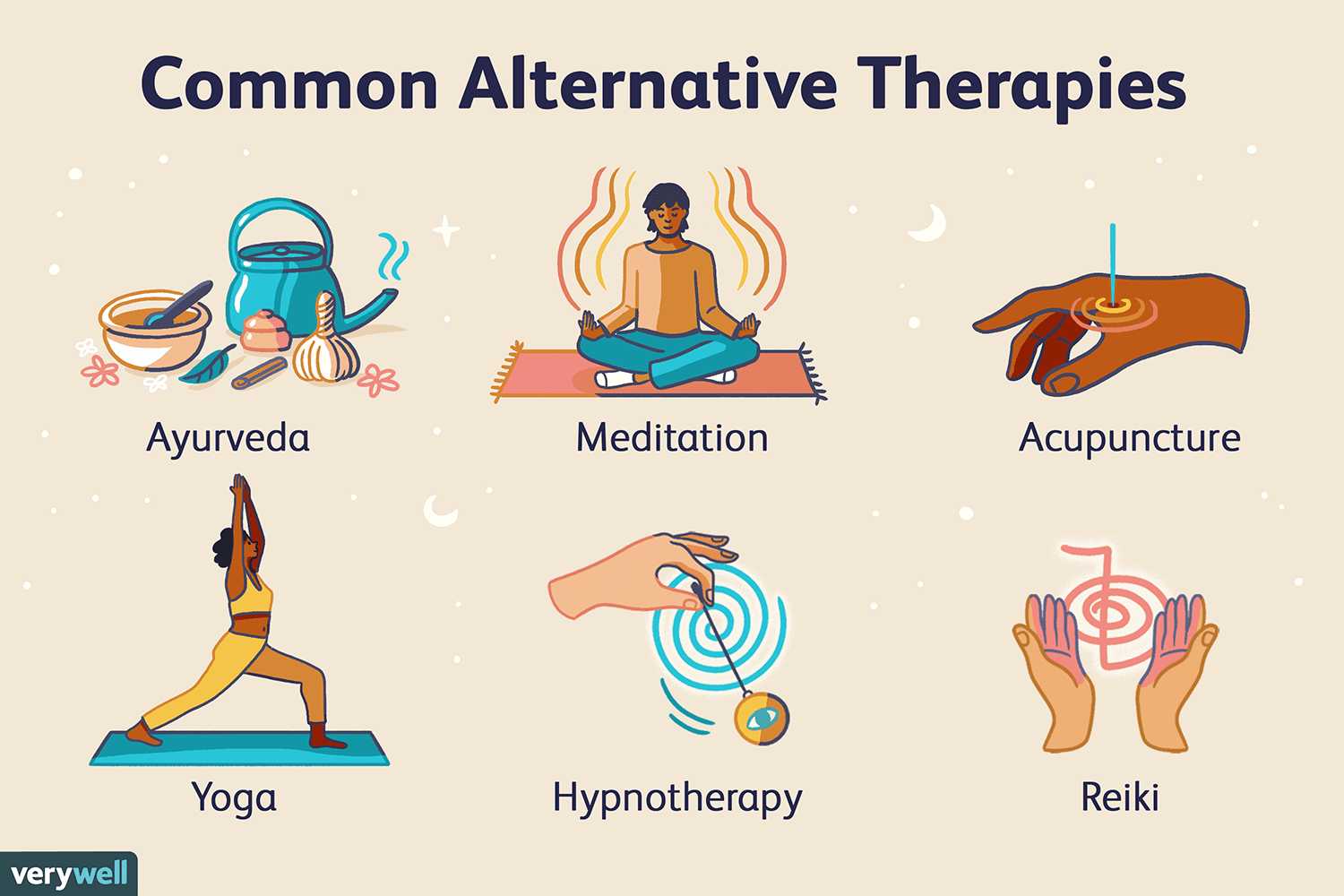
- Acupuncture: Insertion of thin needles into specific points on the body to stimulate the nervous system, reduce inflammation, and improve emotional well-being.
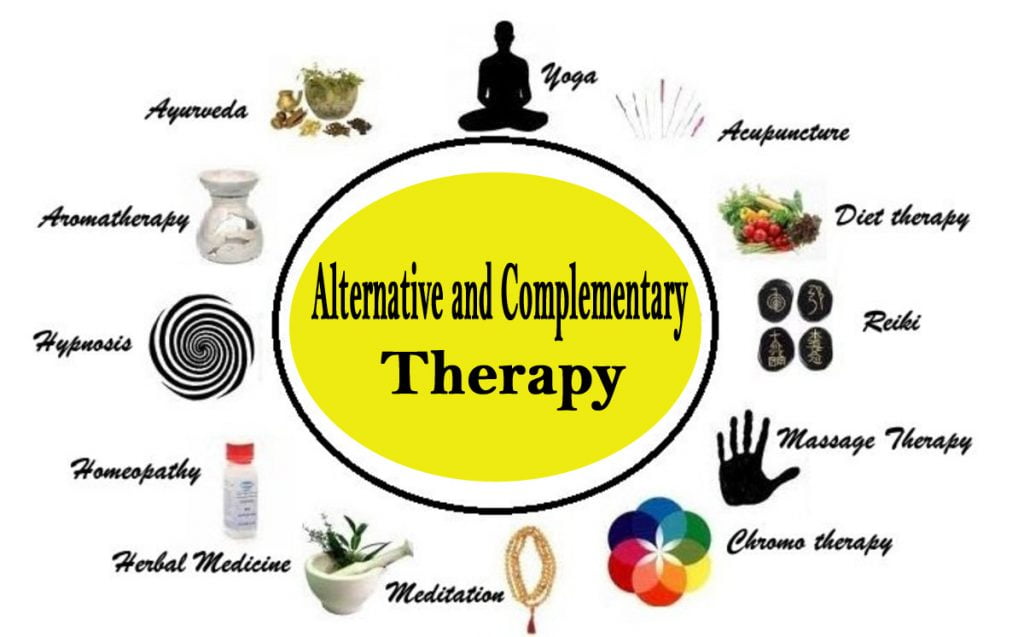
- Herbal Medicine: Using plant extracts to treat specific symptoms, such as anxiety, fatigue, or insomnia.
- Homeopathy: Diluting and potentizing natural substances to create remedies that stimulate the body’s own healing response.
- Energy Healing: Practitioners use their hands to direct energy to the body to promote relaxation, reduce pain, and enhance emotional well-being.
- Hypnotherapy: A state of trance-like relaxation that allows individuals to access their subconscious and address emotional issues that may be contributing to their distress.
Benefits of Complementary and Alternative Therapies
- Reduced anxiety and depression
- Improved sleep
- Decreased pain
- Increased relaxation and well-being
- Improved communication with healthcare providers
- Empowerment and sense of control over their illness
Considerations
- Always consult with your healthcare provider before starting any complementary or alternative therapy.
- Some therapies may interact with medications or have potential side effects.
- Not all therapies are suitable for everyone.
- Be mindful of the financial costs associated with these therapies.
Conclusion
Complementary and alternative therapies offer a range of options for addressing the emotional impact of cancer. These therapies can complement traditional medical treatments and provide relief from anxiety, depression, stress, and other emotional challenges. It’s important to approach these therapies with an open mind and to work with qualified practitioners to ensure safe and effective use.## Complementary And Alternative Therapies For Addressing The Emotional Impact Of Cancer
Executive Summary
Cancer is a disease that affects not only the physical body but also the emotional and mental well-being of individuals. Complementary and alternative therapies (CAMs) offer a range of options to address the emotional impact of cancer, providing support and coping mechanisms to enhance overall well-being. This article explores the benefits and different types of CAMs, along with practical tips for incorporating them into a holistic cancer care plan.
Introduction
A cancer diagnosis can evoke a spectrum of emotional responses, including anxiety, fear, depression, and isolation. Traditional medical approaches often focus on the physical aspects of cancer treatment, but CAMs prioritize the emotional and psychological needs of individuals. By integrating CAMs into a comprehensive treatment plan, patients can find solace, reduce stress, improve mood, and enhance their quality of life.
Frequently Asked Questions (FAQs)
1. What are the benefits of CAMs for cancer patients?
- Reduce anxiety and stress
- Improve mood and emotional well-being
- Enhance coping mechanisms
- Provide a sense of control and empowerment
- Support the body’s natural healing abilities
2. How do I choose the right CAM for me?
- Consult with a qualified healthcare professional
- Consider your individual needs and preferences
- Research different CAMs and their potential benefits and risks
- Start with one or two CAMs and gradually add more as needed
3. Are CAMs safe to use alongside conventional cancer treatments?
- Always inform your medical team about any CAMs you are using
- Some CAMs may interact with medications or interfere with treatment
- It is essential to use CAMs that have been clinically tested and proven safe
Top 5 Subtopics
1. Mindfulness-Based Therapies
Mindfulness-based therapies focus on cultivating present-moment awareness and non-judgmental acceptance. These techniques help individuals regulate emotions, reduce stress, and improve overall well-being.
- Mindfulness meditation: Practicing mindfulness through meditation can help reduce anxiety and improve emotional regulation.
- Mindfulness-based stress reduction (MBSR): MBSR programs combine meditation, yoga, and body scan techniques to reduce stress and improve coping skills.
- Tai chi: Tai chi is a mind-body practice that combines gentle movements, deep breathing, and meditation, promoting relaxation and stress reduction.
2. Expressive Therapies
Expressive therapies provide avenues for individuals to express their emotions and experiences through creative outlets. These techniques can help process emotions, gain self-awareness, and build resilience.
- Art therapy: Art therapy allows individuals to express themselves through drawing, painting, or sculpting, providing a non-verbal outlet for emotions.
- Music therapy: Music therapy uses music to facilitate relaxation, reduce stress, and promote emotional healing.
- Dance/movement therapy: Dance/movement therapy engages the body and emotions, allowing individuals to express themselves through movement.
3. Energy Therapies
Energy therapies aim to balance the body’s energy systems, promoting relaxation, reducing pain, and improving overall well-being. These techniques often involve directing or manipulating energy fields.
- Reiki: Reiki involves directing universal energy through a practitioner’s hands to promote relaxation and healing.
- Qigong: Qigong is a mind-body practice that combines gentle movements, breathing exercises, and meditation to cultivate energy flow.
- Yoga: Yoga poses and breathing techniques promote relaxation, reduce stress, and improve overall energy balance.
4. Body-Based Therapies
Body-based therapies focus on the mind-body connection, using physical techniques to relieve stress, improve mood, and enhance relaxation.
- Massage therapy: Massage can reduce muscle tension, promote relaxation, and improve mood.
- Acupuncture: Acupuncture involves inserting thin needles into specific points on the body to stimulate energy flow and promote healing.
- Reflexology: Reflexology applies pressure to specific points on the feet to stimulate corresponding organs and systems in the body, promoting relaxation and reducing stress.
5. Nutritional Therapies
Nutritional therapies emphasize the role of food and supplements in supporting emotional well-being. By consuming a balanced diet and incorporating specific supplements, individuals can nourish their bodies and support their emotional health.
- Nutritional counseling: Nutritional counseling can help individuals identify dietary changes to improve mood, reduce stress, and support overall well-being.
- Herbs and supplements: Certain herbs and supplements, such as chamomile and lavender, have calming and mood-boosting effects.
- Mindful eating: Mindful eating practices encourage individuals to pay attention to their food choices and eating habits, promoting a healthy relationship with food and reducing stress.
Conclusion
Complementary and alternative therapies offer a wide range of options to address the emotional impact of cancer. By incorporating CAMs into a comprehensive cancer care plan, individuals can find solace, reduce stress, improve mood, and enhance their overall well-being. It is crucial to consult with a qualified healthcare professional to choose the most appropriate CAMs and ensure their safe use alongside conventional treatments. By embracing a holistic approach that integrates CAMs, cancer patients can empower themselves and navigate the challenges of the disease with greater resilience and emotional well-being.
Relevant Keyword Tags
- Complementary and Alternative Therapies
- Cancer
- Emotional Well-being
- Mind-Body Therapies
- Nutritional Therapies
