Early Cancer Detection: Guidelines, Tests, and Importance
Cancer, a dreaded disease that affects millions worldwide, can often be successfully treated if detected early. Advances in medical technology have made it possible to identify cancer at its earliest stages, increasing the chances of a positive outcome. In this comprehensive guide, we will delve into the world of cancer detection, providing you with vital information to empower you in safeguarding your health.
What is Cancer Detection?
Cancer detection involves screening individuals for cancer before they experience any symptoms. This is achieved through a variety of tests and procedures that can detect abnormalities in the body, such as the presence of cancerous cells or suspicious growths. Early detection plays a crucial role in improving cancer prognosis and survival rates.
When Should You Get Screened for Cancer?
The recommended age and frequency of cancer screening tests vary depending on the type of cancer and individual risk factors. Here are some general guidelines:
- Cervical Cancer: Women should begin screening at age 21 and continue regularly throughout their lives.
- Breast Cancer: Women with average risk should start annual mammograms at age 40.
- Colon Cancer: Screening should start at age 45 and continue every 10 years for people with average risk.
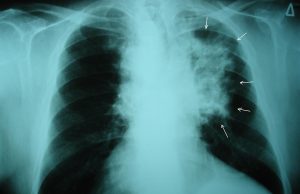
- Lung Cancer: Low-dose CT scans are recommended for high-risk individuals, such as heavy smokers.
- Prostate Cancer: Men should discuss the risks and benefits of prostate cancer screening with their doctor at age 50.
Types of Cancer Screening Tests
There are numerous types of cancer screening tests, each designed to detect specific types of cancer. Common tests include:
- Mammograms: X-rays of the breast to detect breast cancer.
- Pap Smears: Collect cells from the cervix to check for cervical changes.
- Colonoscopies: A procedure to examine the large intestine for colon cancer.
- Low-Dose CT Scans: X-rays that provide detailed images of the lungs to detect lung cancer.
- Prostate-Specific Antigen (PSA) Tests: A blood test to measure PSA levels, which may indicate prostate cancer.
The Importance of Cancer Detection
Early cancer detection is essential for several reasons:
- Increased Treatment Options: Identifying cancer at an early stage provides more treatment options and increases the likelihood of successful treatment.
- Improved Survival Rates: Early detection improves the chances of surviving cancer by allowing for timely and effective treatment.
- Reduced Side Effects: Treatment for early-stage cancer is often less invasive and results in fewer side effects compared to treating advanced-stage cancer.
- Lower Costs: Early detection can save money in the long run by identifying and treating cancer before it progresses to more advanced and costly stages.
Conclusion
Cancer detection is a vital tool in the fight against cancer. By understanding the importance of early detection, knowing the recommended screening guidelines, and utilizing the available screening tests, you can empower yourself to take an active role in safeguarding your health. Remember, early detection can make all the difference in the battle against cancer.
Secondary Keywords:
cancer detection, early cancer detection, cancer screening, cancer screening guidelines, cancer screening tests, cancer diagnosis, cancer treatment, cancer prevention, cancer survivor