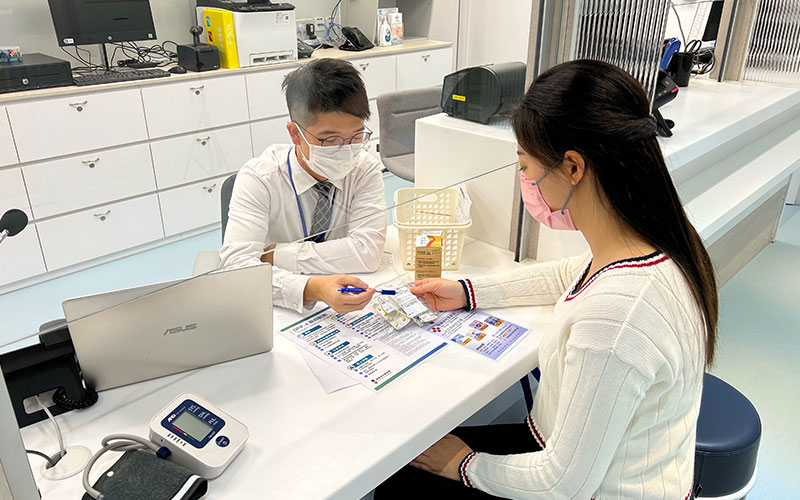
Cancerous.eu – Cancer Screening Tests: What Are the Different Options and Which Ones Are Right for You? Cancer screening tests play a vital role in detecting cancer at early stages when it is more treatable. However, with numerous options available, it can be overwhelming to determine which screening tests are suitable for you. In this article, we will explore the different cancer screening tests, their benefits, and help you identify the right ones based on your needs.
Cancer is a complex disease that can affect various parts of the body. Detecting cancer early increases the chances of successful treatment and improves long-term outcomes. Screening tests are designed to detect cancer in individuals who may not yet exhibit symptoms, allowing for early intervention and potentially saving lives. Let’s delve into some common cancer screening tests and learn how to choose the right one for you.
I. Understanding Cancer Screening
Cancer screening involves the use of specific tests to identify cancer in its early stages, even before symptoms manifest. Early detection is crucial because it enables healthcare professionals to implement appropriate treatment strategies promptly. Regular cancer screening is recommended for individuals who have an average risk or are at higher risk due to factors such as age, family history, or certain genetic mutations.
II. Common Cancer Screening Tests
1A. Breast Cancer Screening
Mammography is the gold standard for breast cancer screening. It uses X-rays to capture images of the breast tissue, allowing the detection of abnormalities, such as lumps or calcifications. Clinical breast examinations performed by healthcare professionals and self-breast examinations conducted by individuals themselves also contribute to early detection.
2B. Colorectal Cancer Screening
Colonoscopy is a comprehensive screening test for colorectal cancer, involving the examination of the entire colon and rectum using a flexible tube with a camera. Other options include fecal occult blood tests, flexible sigmoidoscopy, and stool DNA tests.
3C. Prostate Cancer Screening
Prostate-specific antigen (PSA) tests measure the levels of PSA, a protein produced by the prostate gland. Digital rectal examinations (DRE) involve a physical examination of the prostate gland through the rectum. These tests help identify potential abnormalities in the prostate gland.
4D. Lung Cancer Screening
Low-dose computed tomography (LDCT) is recommended for individuals at high risk of developing lung cancer, particularly heavy smokers. LDCT scans capture detailed images of the lungs, allowing the detection of suspicious nodules or masses.
5E. Cervical Cancer Screening
Pap tests, also known as Pap smears, are commonly used to screen for cervical cancer. They involve collecting cells from the cervix to identify any precancerous or cancerous changes. HPV DNA tests can also detect high-risk strains of the human papillomavirus, which is strongly associated with cervical cancer.
III. Choosing the Right Cancer Screening Test
Selecting the appropriate cancer screening test depends on various factors, including your age, gender, family history, and personal risk factors. It is essential to consult with your healthcare provider, who can evaluate your individual circumstances and recommend the most suitable screening options. Adhering to established screening guidelines and discussing the benefits and potential risks of each test with your healthcare provider will help you make informed decisions.
IV. Ensuring Effective Cancer Screening
To maximize the effectiveness of cancer screening, it is crucial to follow recommended screening intervals. Regular screenings allow for the timely detection of any changes or abnormalities. If you receive abnormal results, it is important to follow up promptly with your healthcare provider for further evaluation and necessary interventions. Additionally, adopting a healthy lifestyle, including regular exercise, a balanced diet, and avoiding tobacco and excessive alcohol consumption, can significantly reduce your risk of developing cancer.
Conclusion
Cancer screening tests are powerful tools for early detection and play a crucial role in improving outcomes for individuals at risk of developing cancer. By understanding the different cancer screening tests available and considering your individual risk factors, you can make informed decisions about which tests are right for you.
Remember, it’s important to consult with your healthcare provider who can guide you based on your specific circumstances. Regular cancer screenings can significantly increase the chances of detecting cancer at an early stage when treatment options are more effective and outcomes are better.
In conclusion, cancer screening tests are essential for early detection and can potentially save lives. By being proactive about your health and discussing screening options with your healthcare provider, you can identify the most appropriate tests based on your individual risk factors. Remember to adhere to recommended screening intervals and follow up on any abnormal results. Stay proactive, prioritize your health, and empower yourself with the knowledge and resources available for cancer screening.
#CancerScreening #EarlyDetection #Healthcare #CancerAwareness #HealthScreening #CancerPrevention #ChooseWisely #HealthTips #StayHealthy #ScreeningTests