Home Tags Cervical Cancer

Tag: Cervical Cancer

====== Cáncer de cuello uterino ======

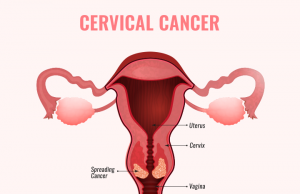
El cáncer de cuello uterino es un tipo de cáncer que se desarrolla en el cuello uterino, la parte inferior y estrecha del útero que se conecta con la vagina. Es el cuarto cáncer más común entre las mujeres en todo el mundo y la principal causa de muerte por cáncer entre las mujeres en los países en desarrollo.

El cáncer de cuello uterino es causado por el virus del papiloma humano (VPH), un virus de transmisión sexual. El VPH es la infección de transmisión sexual más común y la mayoría de las personas sexualmente activas contraerán el VPH en algún momento de su vida. Sin embargo, solo un pequeño porcentaje de personas con VPH desarrollará cáncer de cuello uterino.

Existen varios factores que pueden aumentar el riesgo de desarrollar cáncer de cuello uterino, entre ellos:

  • Infección persistente por VPH: Ciertos tipos de VPH tienen más probabilidades de causar cáncer de cuello uterino.
  • Sistema inmunitario debilitado: Las personas con sistemas inmunitarios debilitados tienen más probabilidades de desarrollar cáncer de cuello uterino.
  • Tabaquismo: Fumar cigarrillos daña el ADN de las células del cuello uterino y aumenta el riesgo de cáncer.
  • Uso de anticonceptivos orales: El uso prolongado de anticonceptivos orales puede aumentar ligeramente el riesgo de cáncer de cuello uterino.
  • Antecedentes familiares de cáncer de cuello uterino: Las mujeres con antecedentes familiares de cáncer de cuello uterino tienen un mayor riesgo de desarrollar la enfermedad.

El cáncer de cuello uterino a menudo no presenta síntomas en sus primeras etapas. A medida que el cáncer crece, puede causar síntomas como:

  • Sangrado vaginal anormal, como sangrado entre períodos o después de la menopausia
  • Relaciones sexuales dolorosas
  • Sangrado después del sexo
  • Dolor pélvico
  • Pérdida de peso inexplicable
  • Fatiga

El cáncer de cuello uterino se puede diagnosticar mediante una prueba de Papanicolaou, que es una prueba de detección que puede detectar células anormales en el cuello uterino. Si una prueba de Papanicolaou muestra células anormales, se puede realizar una biopsia para confirmar el diagnóstico de cáncer de cuello uterino.

El tratamiento para el cáncer de cuello uterino depende de la etapa del cáncer y de la salud general de la mujer. El tratamiento puede incluir cirugía, radioterapia, quimioterapia o una combinación de estos tratamientos.

El cáncer de cuello uterino se puede prevenir mediante la vacunación contra el VPH. La vacuna contra el VPH es segura y eficaz y se recomienda para todas las niñas y niños de 11 a 12 años.

Si le preocupan sus síntomas o riesgos de cáncer de cuello uterino, hable con su médico. El diagnóstico y tratamiento tempranos pueden mejorar significativamente las posibilidades de curación.

¿Cuáles son los síntomas del cáncer de cuello uterino?

Los síntomas del cáncer de cuello uterino a menudo no se presentan en las primeras etapas de la enfermedad. A medida que el cáncer crece, puede causar síntomas como:

  • Sangrado vaginal anormal, como sangrado entre períodos o después de la menopausia
  • Relaciones sexuales dolorosas
  • Sangrado después del sexo
  • Dolor pélvico
  • Pérdida de peso inexplicable
  • Fatiga

¿Cómo se diagnostica el cáncer de cuello uterino?

El cáncer de cuello uterino se puede diagnosticar mediante una prueba de Papanicolaou, que es una prueba de detección que puede detectar células anormales en el cuello uterino. Si una prueba de Papanicolaou muestra células anormales, se puede realizar una biopsia para confirmar el diagnóstico de cáncer de cuello uterino.

¿Cómo se trata el cáncer de cuello uterino?

El tratamiento para el cáncer de cuello uterino depende de la etapa del cáncer y de la salud general de la mujer. El tratamiento puede incluir cirugía, radioterapia, quimioterapia o una combinación de estos tratamientos.

¿Cómo se puede prevenir el cáncer de cuello uterino?

El cáncer de cuello uterino se puede prevenir mediante la vacunación contra el VPH. La vacuna contra el VPH es segura y eficaz y se recomienda para todas las niñas y niños de 11 a 12 años.

Palabras clave secundarias:

  • Cáncer de cuello uterino
  • VPH
  • Prueba de Papanicolaou
  • Vacuna contra el VPH
  • Prevención del cáncer de cuello uterino

Cancer Screenings For Women: What You Need To Know

0
Needful Cancer Screenings for Women: Essentials to Grasp Essential Screenings: Neekly Self-Exams: Inspect Breasts Regularly Gynecological Checkups: Annual Pap Smears and Pelvic Exams Leprosy: Skin Exam for Spots Intestinal...

Cancer Prevention And Early Detection For Women

0
Cancer Prevention for Women Engage in regular physical activity Limit exposure to harmful substances (e.g., smoking) Maintain a healthy lifestyle with a balanced diet Immunize against HPV and...

Cervical Cancer Screening: What You Need To Know

0
Cervical Cancer Screening: What You Need To Know Executive Summary Cervical cancer screening is an important test that can help prevent cervical cancer. It is recommended...

Understanding Abnormal Screening Results: What Comes Next?

0
Understanding Abnormal Screening Results: What Comes Next? Receiving an abnormal screening result can be unsettling. It's important to understand what these results mean and what...

Cervical Cancer Screening: Navigating The Options

0
Cervical Cancer Screening: Navigating The Options Cervical cancer is a type of cancer that develops in the cervix, the lower part of the uterus that...

Cervical Cancer Screening: Navigating The Options

0
Cervical Cancer Screening: Navigating The Options Regular cervical cancer screening is crucial for early detection and effective treatment. Here's a comprehensive guide to help you...

Cancer Screenings For Different Age Groups: Tailoring The Approach

0
Cancer Screenings For Different Age Groups: Tailoring The Approach Cancer screenings are an important part of preventive healthcare. They help detectcancer early, when it...

Women’s Health And Cancer Screening: Understanding Coverage Options

0
Women's Health and Cancer Screening: Understanding Coverage Options Introduction Regular cancer screenings are crucial for women's health and early detection. However, navigating the complexities of healthcare...

Primary Care Physicians’ Recommendations On Cancer Screening: A Patient’s Guide

0
Primary Care Physicians' Recommendations on Cancer Screening: A Patient's Guide Introduction Cancer screening is an important part of preventive healthcare. It allows doctors to find cancer...

Financial Assistance For Cancer Screening: Where To Find Support

0
Financial Assistance for Cancer Screening Government Programs: Medicaid: Covers a range of cancer screenings, including mammograms, Pap tests, and colonoscopies. Medicare: Part B covers certain cancer screenings,...

Decoding The Benefits Of Cancer Screening

0
Decoding the Benefits of Cancer Screening Cancer screening plays a crucial role in the early detection of cancer, when treatment is most likely to be...

Optimizing Your Health: Cancer Screening For Different Age Groups

0
Cancer Screening: Optimizing Your Health for Different Age Groups Regular cancer screening is crucial for early detection and prompt treatment, improving survival rates and overall...

Demystifying Cancer Screening: Age-appropriate Recommendations

0
Demystifying Cancer Screening: Age-appropriate Recommendations Cancer screening is an essential part of healthcare, as it allows for the early detection and treatment of cancer, potentially...

Tailoring Cancer Screening: A Closer Look At Age-specific Recommendations

0
Tailoring Cancer Screening: A Closer Look At Age-specific Recommendations Introduction Cancer screening is an effective way to detect cancer early, when it is most treatable. However,...

Cancer Screening: Breaking Down The Myths And Misconceptions

0
Cancer Screening: Breaking Down the Myths and Misconceptions Cancer screening is an important part of maintaining good health, but there are many myths and misconceptions...

Cervical Cancer Screening: Protecting Your Health

0
Cervical Cancer Screening: Protecting Your Health Cervical cancer is a preventable disease that affects women of all ages. It is the fourth most common cancer...

Cervical Cancer Screening: Protecting Your Health

0
Cervical Cancer Screening: Protecting Your Health Cervical cancer is a type of cancer that develops in the cells of the cervix, which is the opening...

The Benefits Of Pap Tests For Cervical Cancer

0
Early detection, saving lives through timely diagnosis Neglecting screenings can lead to advanced stages and potential fatality Guard against invasive cervical cancer, the leading cause of...

Cancer Screening Guidelines: What’s New And What’s Changed

0
New Guidelines Lung Cancer Screening: The USPSTF now recommends yearly low-dose computed tomography (LDCT) screening for adults aged 50-80 who have a 20 pack-year smoking history...

When to Start Cancer Screening: Guidelines for Different Age Groups

0
Cancerous.eu - When to Start Cancer Screening: Guidelines for Different Age Groups. Cancer screening plays a vital role in early detection and prevention of...

The Top 5 Cancer Screening Tests Everyone Should Know About

0
Cancerous - The Top 5 Cancer Screening Tests Everyone Should Know About. Cancer is one of the deadliest diseases affecting millions of people worldwide....

What is Cervical Cancer?

0
Cancerous.EU - What is Cervical Cancer? Cervical cancer is a type of cancer that affects women and arises from the cervix, the lower part...
- Advertisement -

EDITOR PICKS