Imaging Tests: A Vital Tool for Early Cancer Detection and Diagnosis
When it comes to cancer diagnosis, imaging tests play a crucial role in detecting the disease at its earliest stages, leading to better treatment outcomes and survival rates. These non-invasive tests allow doctors to visualize the inside of your body, providing detailed images of organs, tissues, and blood vessels.
Types of Imaging Tests
The most common types of imaging tests used for cancer detection include:
- X-rays: Conventional X-rays utilize radiation to capture images of internal structures, such as bones and lungs.
- Computed Tomography (CT) Scans: CT scans combine multiple X-rays to create cross-sectional images of your body, providing a more detailed view than standard X-rays.
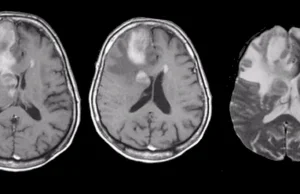
- Magnetic Resonance Imaging (MRI) Scans: MRIs use magnetic fields and radio waves to generate detailed images of organs and tissues, including soft tissues that are not easily visible on X-rays or CT scans.
- Ultrasound: Ultrasound scans use sound waves to create real-time images of internal organs and blood flow.
- Positron Emission Tomography (PET) Scans: PET scans involve injecting a small amount of radioactive tracer into your body, which is then absorbed by cancer cells, allowing for the detection of cancerous tumors.
When Are Imaging Tests Used for Cancer Diagnosis?
Imaging tests are typically used in conjunction with other tests, such as biopsies and blood tests, to confirm a cancer diagnosis or rule out other conditions. They are particularly helpful in:
- Detecting early-stage cancers: Imaging tests can identify small, often symptom-free, tumors that may not be detected by physical exams or other screening methods.
- Evaluating the extent of cancer: Imaging tests can show the size, location, and spread of cancerous tumors, which helps doctors determine the appropriate treatment plan.
- Monitoring treatment response: Imaging tests can be used to track the effectiveness of cancer treatment and monitor for recurrence.
Benefits of Imaging Tests
Imaging tests offer numerous advantages for cancer diagnosis:
- Non-invasive: They do not require surgery or involve any incisions or discomfort.
- Accurate and detailed: Imaging tests provide detailed images that allow doctors to make precise diagnoses and monitor cancer progression.
- Early detection: They can detect early-stage cancers that may not be visible or palpable during physical exams.
- Improved outcomes: Early detection and accurate diagnosis lead to improved treatment outcomes and survival rates.
Risks of Imaging Tests
While imaging tests are generally safe, there are some potential risks and limitations to consider:
- Radiation exposure: X-rays and CT scans involve radiation exposure, which can be harmful to the body in excessive doses.
- False positives and false negatives: Imaging tests can sometimes produce inaccurate results, leading to unnecessary biopsies or missed diagnoses.
- High cost: Some imaging tests, such as MRIs and PET scans, can be expensive.
Preparing for Imaging Tests
To ensure the best results from an imaging test, follow these preparation guidelines:
- Fasting: You may need to fast before certain imaging tests, such as CT scans or PET scans.
- Removing metal objects: Metal objects, such as jewelry or piercings, can interfere with imaging tests.
- Providing medical history: Inform your doctor about any medical conditions, allergies, or medications you are taking.
Conclusion
Imaging tests are essential tools for cancer diagnosis, offering valuable insights into the location, size, and extent of cancerous tumors. By detecting cancer early and accurately, imaging tests increase the chances of successful treatment and improve patient outcomes. While understanding the risks and limitations is important, the benefits of imaging tests far outweigh any potential concerns.