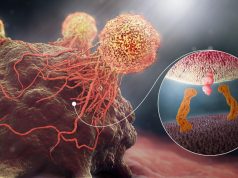
Cancerous – How Cancer is Diagnosed: The Tests and Procedures Involved. Cancer is a serious health condition that affects millions of people worldwide. It is essential to detect cancer in its early stages to increase the chances of successful treatment. There are several tests and procedures involved in diagnosing cancer. In this article, we will discuss the various tests and procedures used to diagnose cancer and how they work.
Tests and Procedures for Diagnosing Cancer:
Biopsy:
A biopsy is a procedure in which a small sample of tissue is taken from the suspected cancerous area and examined under a microscope. This helps in determining whether the cells are cancerous or not.
Also Read: The Most Common Symptoms of Cancer
Blood Tests:
Blood tests are used to detect the presence of certain proteins, hormones, or enzymes that may indicate the presence of cancer in the body. Some blood tests can also be used to monitor the progression of cancer and the effectiveness of treatment.
Imaging Tests:
Imaging tests such as X-rays, CT scans, MRI scans, and PET scans are used to create images of the inside of the body. These tests help in detecting tumors and other abnormalities in the body.
Also Read: he Importance of Genetics in Cancer Development
Endoscopy:
Endoscopy is a procedure in which a thin, flexible tube with a camera at the end is inserted into the body. This helps in examining the inside of the body, including the digestive tract, lungs, and other organs.
Ultrasound:
Ultrasound is a procedure in which high-frequency sound waves are used to create images of the inside of the body. This helps in detecting tumors and other abnormalities in the body.
Also Read: Early Detection Cancer: Why Routine Screenings are Key
Genetic Testing:
Genetic testing is used to determine whether a person has inherited a gene mutation that increases their risk of developing cancer. This can help in identifying people who may need to undergo regular screening tests or take other preventive measures.
Staging:
Staging is a process used to determine the extent of cancer and whether it has spread to other parts of the body. This helps in determining the most appropriate treatment plan.
Also Read: What is Cancer and How Does it Develop?
Biologic Testing:
Biologic testing is used to identify the specific characteristics of cancer cells, including their genetic makeup and how they respond to different treatments. This can help in developing personalized treatment plans for patients.
Bone Marrow Aspiration and Biopsy:
Bone marrow aspiration and biopsy are procedures in which a small sample of bone marrow is taken from the hipbone and examined under a microscope. This helps in detecting cancer cells in the bone marrow.
Also Read: Understanding Metastasis: How Cancer Spreads and Treatment Options
Laparoscopy:
Laparoscopy is a minimally invasive procedure in which a small incision is made in the abdomen, and a thin, flexible tube with a camera at the end is inserted into the body. This helps in examining the inside of the abdomen and detecting tumors and other abnormalities.