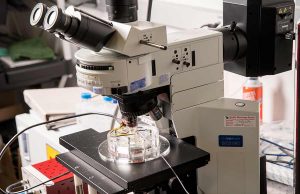
Medical Research: A Journey of Discovery and Innovation
Unlock the fascinating world of medical research, where scientific minds delve into the depths of human biology to unravel the mysteries of health and disease. Join us as we embark on a captivating exploration of the cutting-edge advancements and transformative discoveries shaping the frontiers of medicine.
Defining Medical Research
Medical research encompasses a broad spectrum of scientific endeavors dedicated to gaining a deeper understanding of the human body, its functions, and interactions with the environment. Researchers employ a wide range of methods, from laboratory-based experiments to clinical trials, to investigate and advance our knowledge in fields like:
-
Biochemistry and molecular biology: Delving into the fundamental building blocks of life, researchers study DNA, RNA, and proteins to elucidate their roles in health and disease.
-
Pharmacology and toxicology: Exploring the effects of drugs and chemicals on the body, researchers develop new therapies and identify potential hazards.
-
Epidemiology and public health: Investigating the patterns and causes of disease, researchers develop strategies for prevention and control.
The Importance of Medical Research
Medical research plays a pivotal role in:
-
Improving patient outcomes: Novel treatments and interventions developed through research lead to better health outcomes, reducing mortality and suffering.
-
Advancing scientific knowledge: Unraveling the intricate workings of the human body expands our understanding and sets the stage for future discoveries.
-
Empowering healthcare providers: Research-based insights guide medical practitioners in making informed decisions and providing optimal care to patients.
The Process of Medical Research
Medical research follows a rigorous scientific process involving:
-
Hypothesis generation: Researchers formulate testable hypotheses based on observations and existing knowledge.
-
Study design: Appropriate research methods are selected to test the hypotheses, ensuring validity and reliability.
-
Data collection and analysis: Raw data is gathered and analyzed using statistical techniques to draw meaningful conclusions.
-
Interpretation and communication: Results are interpreted and disseminated through publications, presentations, and online databases.
Types of Medical Research
The scope of medical research is vast, ranging from:
-
Basic research: Explores fundamental biological principles without direct clinical applications.
-
Translational research: Bridges basic research with clinical applications, aiming to improve patient care.
-
Clinical trials: Test new treatments and interventions in human subjects to evaluate safety and effectiveness.
Careers in Medical Research
Medical research offers diverse career opportunities, including:
-
Researchers: Scientists with advanced degrees (PhD or MD) conduct research in universities, hospitals, and industry.
-
Technicians: Skilled professionals assist researchers with experiments and data collection.
-
Data analysts: Analyze research data and contribute to interpreting findings.
Ethical Considerations
Medical research must adhere to strict ethical guidelines to protect the rights and well-being of participants. These guidelines include:
-
Informed consent: Participants must fully understand the risks and benefits before consenting to participate.
-
Data privacy: Confidentiality of participant information is maintained.
-
Institutional review boards: Independent committees review research protocols to ensure ethical compliance.
Funding for Medical Research
Medical research relies heavily on funding from:
-
Governments: National institutes and agencies support research projects that align with public health priorities.
-
Nonprofit organizations: Foundations and charities contribute to research on specific diseases or health conditions.
-
Industry: Pharmaceutical and biotechnology companies fund research to develop new products and treatments.
The Future of Medical Research
Medical research is poised for unprecedented advancements, driven by technologies such as:
-
Genomics: Analysis of individuals’ genetic makeup to predict disease risk and personalize treatments.
-
Bioinformatics: Use of computational tools to analyze large datasets and identify patterns.
-
Artificial intelligence: Development of intelligent systems to assist with diagnosis, treatment planning, and drug discovery.
Conclusion
Medical research is an indispensable force in shaping the future of healthcare. Through relentless exploration and discovery, researchers pave the way for improved patient outcomes, scientific progress, and empowered healthcare providers. The pursuit of medical research will continue to expand our understanding of the human body and revolutionize the way we prevent, diagnose, and treat diseases.
Secondary Keywords
- Cancer Diagnosis
- Medical Tests
- Diagnostic Procedures
- Oncology
- Biopsy