Radiotherapy: An Essential Treatment Option for Cancer
Introduction
Cancer is a complex disease that affects millions worldwide. While there is no single cure, various treatment options are available, including surgery, chemotherapy, and Radiotherapy. This article will explore the role of Radiotherapy in cancer treatment, highlighting its significance and how it aids in combatting this debilitating disease.
Understanding Radiotherapy
Radiotherapy, also known as radiation therapy, is a non-invasive treatment method that utilizes high-energy radiation to target and destroy cancerous cells. It works by damaging the DNA of these cells, inhibiting their growth and eventually leading to their elimination.
Types of Radiotherapy
There are various types of Radiotherapy, each with its unique approach:
-
External Beam Radiotherapy (EBRT): Radiation is delivered from outside the body using a machine called a linear accelerator.
-
Internal Radiotherapy (Brachytherapy): Radioactive material is placed inside or near the tumor to deliver radiation directly to the affected area.
-
Systemic Radiotherapy: Radioactive isotopes are administered into the bloodstream, allowing them to travel throughout the body and target cancerous cells.
Benefits of Radiotherapy
Radiotherapy offers several advantages in cancer treatment:
-
Effective Tumor Control: It can effectively shrink or eliminate tumors, reducing their size and improving patient outcomes.
-
Minimally Invasive: Unlike surgery, Radiotherapy is a non-invasive procedure, causing minimal discomfort or scarring.
-
Targeted Treatment: Radiotherapy can focus on specific areas of the body, sparing healthy tissues from damage.
-
Combined Therapies: It can be combined with other cancer treatments, such as chemotherapy or immunotherapy, to enhance effectiveness.
Applications of Radiotherapy
Radiotherapy is widely used in treating various types of cancer, including:
-
Breast cancer
-
Prostate cancer
-
Lung cancer
-
Head and neck cancer
-
Gynecological cancers
Role of Imaging in Cancer Diagnosis and Treatment
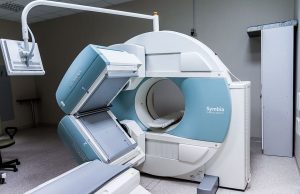
Imaging plays a crucial role in Radiotherapy, guiding the treatment plan and monitoring its effectiveness. Techniques such as X-rays, CT scans, and MRI scans help determine the location and size of the tumor, ensuring precise radiation targeting.
Conclusion
Radiotherapy is an essential treatment option for cancer, offering effective tumor control, minimal invasiveness, and targeted precision. By harnessing the power of high-energy radiation, Radiotherapy contributes significantly to the fight against cancer, providing hope and improved outcomes for countless patients.
Secondary Keywords
- Radiotherapy Treatment,
Radiation Oncology,
Cancer Therapy,
Image-Guided Radiotherapy,
Brachytherapy