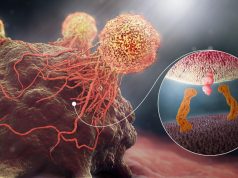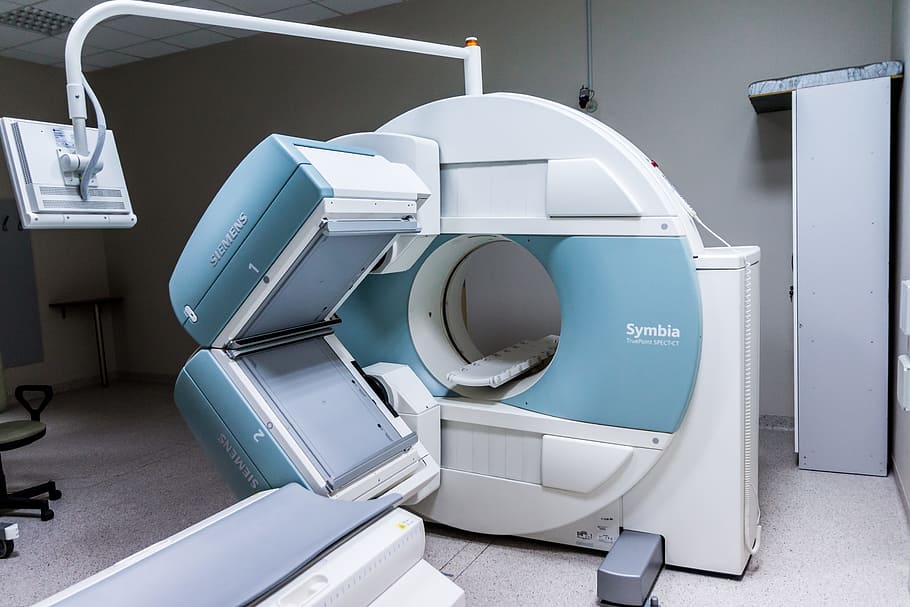
Cancerous – The Role of Imaging in Cancer Diagnosis and Treatment. Cancer diagnosis and treatment have come a long way in the past few decades, thanks to the advances in imaging technology. Imaging plays a critical role in cancer diagnosis and treatment, allowing doctors to accurately diagnose and stage the disease, monitor its progression, and determine the effectiveness of treatment. In this article, we will explore the role of imaging in cancer diagnosis and treatment.
The Role of Imaging in Cancer Diagnosis and Treatment:
Imaging technology has revolutionized cancer diagnosis and treatment. Some of the most commonly used imaging techniques in cancer diagnosis and treatment include:
Also Read: How Cancer is Diagnosed: The Tests and Procedures Involved
X-rays
X-rays are a type of electromagnetic radiation that can pass through the body and produce images of internal organs, bones, and tissues. X-rays are commonly used to diagnose bone cancer.
CT scans
CT scans use X-rays and computer technology to produce detailed images of internal organs, bones, and tissues. CT scans are commonly used to diagnose and stage cancer, monitor the effectiveness of treatment, and detect recurrence.
Also Read: The Most Common Symptoms of Cancer
MRI scans
MRI scans use a strong magnetic field and radio waves to produce detailed images of internal organs, bones, and tissues. MRI scans are commonly used to diagnose and stage cancer, monitor the effectiveness of treatment, and detect recurrence.
PET scans
PET scans use a radioactive tracer to produce detailed images of the metabolic activity of cells in the body. PET scans are commonly used to diagnose and stage cancer, monitor the effectiveness of treatment, and detect recurrence.
Also Read: The Importance of Genetics in Cancer Development
Ultrasound
Ultrasound uses high-frequency sound waves to produce images of internal organs, tissues, and blood vessels. Ultrasound is commonly used to diagnose and stage cancer, guide biopsies, and monitor the effectiveness of treatment.
Also Read: Early Detection Cancer: Why Routine Screenings are Key
Imaging plays a crucial role in cancer diagnosis and treatment by providing doctors with detailed information about the location, size, and extent of cancer. This information helps doctors to accurately diagnose and stage cancer, determine the most appropriate treatment plan, monitor the effectiveness of treatment, and detect recurrence.