Skin Cancer: A Comprehensive Guide
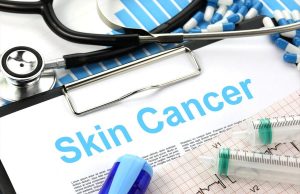
Skin cancer is the most prevalent type of cancer globally, affecting millions of individuals. Its increasing occurrence necessitates greater awareness and understanding of its various types, causes, symptoms, and preventative measures. This article delves into the topic of skin cancer, providing a comprehensive guide to help you protect yourself and your loved ones from its harmful effects.
Types of Skin Cancer
Skin cancer manifests in three primary types:
-
Basal Cell Carcinoma (BCC): BCC is the most common type, accounting for approximately 80% of skin cancers. It arises from basal cells in the outermost layer of skin and typically appears as pearly or waxy bumps.
-
Squamous Cell Carcinoma (SCC): SCC develops from squamous cells found in the middle layer of the skin. It commonly presents as firm, reddish, or scaly patches with a potential for bleeding.
-
Melanoma: Melanoma is the most serious form of skin cancer, developing from melanocytes that produce melanin. It often appears as a dark mole with an irregular shape, uneven borders, and multiple colors.
Causes of Skin Cancer
Exposure to ultraviolet (UV) radiation from the sun or artificial sources like tanning beds is the primary cause of skin cancer. UV rays penetrate the skin and damage DNA in skin cells, leading to the formation of cancer cells. Other risk factors include:
- Fair skin with less melanin
- Family history of skin cancer
- Multiple sunburns,尤其是儿童期
- Prolonged outdoor work or activities
- Weakened immune system
Symptoms of Skin Cancer
Recognizing skin cancer symptoms is crucial for early detection and prompt treatment. Common signs to watch for include:
- New or changing moles
- Moles with an irregular shape or uneven borders
- Changes in the color, size, or texture of existing moles
- Reddish or scaly patches on the skin
- Skin sores that don’t heal
Prevention of Skin Cancer
Proactive measures can significantly reduce the risk of developing skin cancer. Here are some effective prevention strategies:
- Sun Protection: Avoid excessive exposure to the sun, especially during peak hours.
- Sunscreen: Apply sunscreen liberally and frequently (every two hours) with an SPF of 30 or higher.
- Protective Clothing: Wear hats, sunglasses, and lightweight clothing with long sleeves to shield your skin from UV rays.
- Seek Shade: Find shelter in shaded areas whenever possible.
- Avoid Tanning Beds: Artificial tanning exposes you to harmful UV rays and increases the risk of skin cancer.
Treatment Options for Skin Cancer
The treatment approach for skin cancer depends on the type, stage, and location of the lesion. Common treatment options include:
- Surgical Excision: Removing the cancerous growth through surgery is often the primary treatment for most types of skin cancer.
- Radiation Therapy: High-energy radiation is used to kill cancer cells.
- Chemotherapy: Drugs are administered to destroy cancer cells throughout the body.
- Immunotherapy: This treatment boosts the immune system to recognize and attack cancer cells.
- Targeted Therapy: Specific drugs are used to block the growth and spread of cancer cells.
Early Detection and Prognosis
Early detection is pivotal in improving the prognosis of skin cancer. Regular self-examinations and professional skin checks are crucial for identifying and addressing suspicious changes promptly. The prognosis of skin cancer varies depending on the type, stage, and individual factors, but prompt treatment generally improves outcomes.
Impact of Skin Cancer
Skin cancer can have a profound impact on individuals and their families. Physical disfigurement, emotional distress, and the potential for life-threatening consequences are among its significant challenges. Additionally, treatment expenses can be a financial burden.
Conclusion
Skin cancer is a serious health concern affecting individuals worldwide. Understanding its types, causes, symptoms, prevention strategies, and treatment options is essential for mitigating the risk and ensuring optimal outcomes. By following the preventive measures outlined in this article, you can significantly reduce your susceptibility to skin cancer and safeguard your health. Remember to schedule regular skin checks with your healthcare provider to ensure early detection and prompt intervention when necessary.