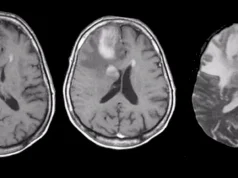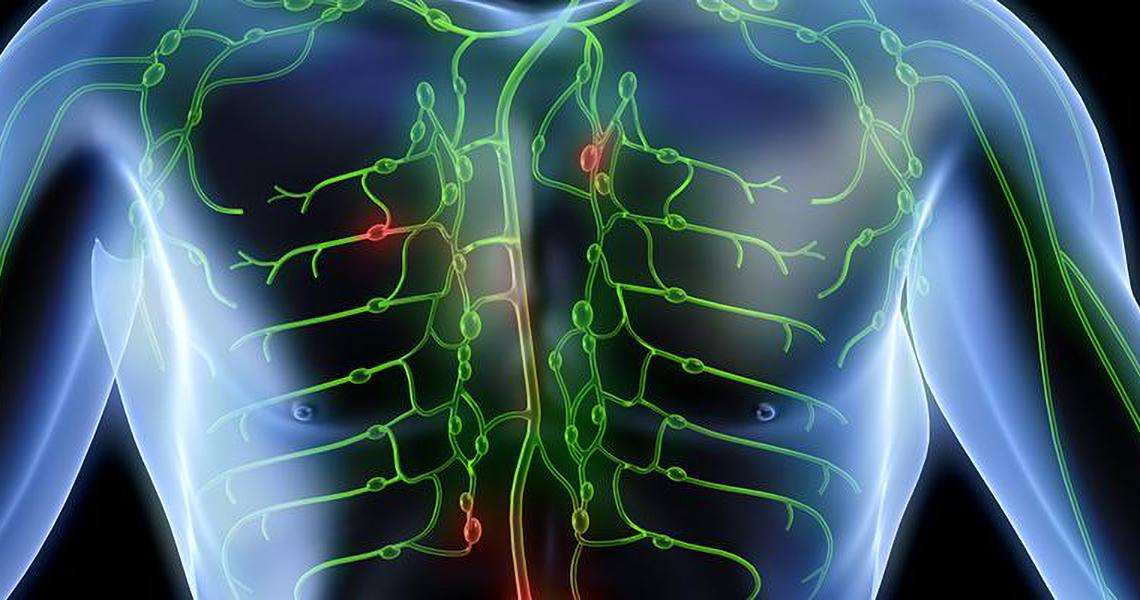
Cancerous.eu – What is Lymphoma? Lymphoma is a type of cancer that affects the lymphatic system, which is a part of the body’s immune system. The lymphatic system includes lymph nodes, lymphatic vessels, and various organs such as the spleen, thymus, and bone marrow. Lymphoma occurs when abnormal lymphocytes, which are a type of white blood cell, grow and multiply uncontrollably, forming tumors in the lymph nodes or other parts of the body.
There are two main types of lymphoma: Hodgkin lymphoma and non-Hodgkin lymphoma. Hodgkin lymphoma is characterized by the presence of Reed-Sternberg cells, which are large abnormal cells that are not present in non-Hodgkin lymphoma. Non-Hodgkin lymphoma is more common than Hodgkin lymphoma and can be further classified into many subtypes based on the type of lymphocyte affected and other factors.
The symptoms of lymphoma can vary depending on the type and stage of the disease. Common symptoms include swollen lymph nodes, fever, night sweats, weight loss, and fatigue. Diagnosis is typically made through a combination of medical history, physical examination, and laboratory tests such as biopsies and imaging tests.
Treatment for lymphoma depends on the type, stage, and other individual factors, and may include chemotherapy, radiation therapy, targeted therapy, and stem cell transplantation. In general, the prognosis for lymphoma varies depending on the subtype and stage of the disease, but overall, treatment options have improved and many people with lymphoma can be successfully treated and live long and healthy lives.
Kinds of Lymphoma
There are two main types of lymphoma: Hodgkin lymphoma and non-Hodgkin lymphoma. Non-Hodgkin lymphoma is more common than Hodgkin lymphoma and can be further classified into many subtypes based on the type of lymphocyte affected and other factors.
Some of the most common subtypes of non-Hodgkin lymphoma include:
- Diffuse large B-cell lymphoma
- Follicular lymphoma
- Marginal zone lymphoma
- Mantle cell lymphoma
- Burkitt lymphoma
- T-cell lymphoma
Each subtype of non-Hodgkin lymphoma has its own unique characteristics, including different symptoms, genetic mutations, and treatment options. It’s important for a person with lymphoma to receive an accurate diagnosis and subtype classification in order to receive the most appropriate treatment.
Stage of Lymphoma
The stage of lymphoma refers to how far the cancer has spread in the body. The staging system for lymphoma varies depending on the type of lymphoma.
For Hodgkin lymphoma, the staging system is known as the Ann Arbor staging system and is based on the location and extent of the disease. There are four stages:
- Stage I: The cancer is found in one lymph node region or in one part of a single organ outside of the lymphatic system.
- Stage II: The cancer is found in two or more lymph node regions on the same side of the diaphragm or in one organ and nearby lymph nodes.
- Stage III: The cancer is found in lymph node regions on both sides of the diaphragm, and may also have spread to nearby organs or tissues.
- Stage IV: The cancer has spread to one or more organs outside of the lymphatic system, such as the liver or bone marrow.
For non-Hodgkin lymphoma, the staging system is also based on the location and extent of the disease, but there are several different staging systems that may be used depending on the subtype of lymphoma. In general, the stages range from I to IV, with higher numbers indicating more advanced disease.
Knowing the stage of lymphoma is important because it helps doctors determine the best treatment options and predict the likely outcome (prognosis) for the individual with the disease.
What Are the Symptoms of Lymphoma?
The symptoms of lymphoma can vary depending on the type of lymphoma, the stage of the disease, and other factors. Some of the common symptoms of lymphoma include:
- Enlarged lymph nodes, which may or may not be painful
- Fatigue and weakness
- Fever and chills
- Night sweats
- Unexplained weight loss
- Loss of appetite
- Abdominal swelling or pain
- Chest pain or trouble breathing
- Itchy skin or rash
- Easy bruising or bleeding
- Recurrent infections
These symptoms can also be caused by other conditions, so it’s important to see a doctor if you are experiencing any persistent or unexplained symptoms. In some cases, lymphoma may be diagnosed before any symptoms appear during routine medical tests or screening exams.
What Are the Risk Factors for Lymphoma?
The exact cause of lymphoma is unknown, but there are certain risk factors that may increase the likelihood of developing the disease. Some of the common risk factors for lymphoma include:
- Age: Lymphoma is more common in people over the age of 60, although it can occur at any age.
- Gender: Some types of lymphoma are more common in men than in women.
- Family history: Having a family member with lymphoma or other types of blood cancers may increase the risk.
- Weak immune system: People with weakened immune systems due to HIV/AIDS, organ transplants, or other conditions may be at higher risk.
- Exposure to certain chemicals: Exposure to certain chemicals, such as pesticides, herbicides, or solvents, may increase the risk.
- Viral infections: Infection with certain viruses, such as Epstein-Barr virus (EBV) or human T-cell lymphotropic virus (HTLV), may increase the risk of lymphoma.
It’s important to note that having one or more of these risk factors does not necessarily mean that a person will develop lymphoma, and many people with lymphoma have no identifiable risk factors.
What Can I Do to Reduce My Risk of Lymphoma?
There is no surefire way to prevent lymphoma, as the exact cause is unknown. However, there are some steps you can take that may help reduce your risk:
- Maintain a healthy weight: Being overweight or obese may increase the risk of lymphoma, so maintaining a healthy weight through regular exercise and a healthy diet may help.
- Protect yourself from infections: Certain viral infections, such as Epstein-Barr virus (EBV) or human T-cell lymphotropic virus (HTLV), are linked to an increased risk of lymphoma. Taking steps to protect yourself from infection, such as practicing good hygiene, using condoms during sex, and getting vaccinated as appropriate, may help reduce the risk.
- Limit exposure to chemicals: Exposure to certain chemicals, such as pesticides, herbicides, or solvents, may increase the risk of lymphoma. Limiting exposure to these chemicals, either through occupational or lifestyle changes, may help reduce the risk.
- Get screened: Some types of lymphoma may be detected early through screening tests. Talk to your doctor about whether screening tests are appropriate for you based on your individual risk factors.
- Quit smoking: Smoking may increase the risk of lymphoma, as well as many other types of cancer and health problems. Quitting smoking or avoiding exposure to secondhand smoke may help reduce the risk.
It’s important to note that while these steps may help reduce the risk of lymphoma, they cannot guarantee that a person will never develop the disease.
How Is Lymphoma Diagnosed?
The diagnosis of lymphoma typically involves several steps, including:
- Physical exam: The doctor will perform a physical exam to check for any swollen lymph nodes, organs, or other signs of illness.
- Blood tests: Blood tests can help to identify abnormalities, such as elevated levels of certain blood cells or proteins, which may indicate the presence of lymphoma.
- Biopsy: A biopsy involves removing a sample of tissue from a suspected lymphoma site, such as a lymph node, bone marrow, or organ, and examining it under a microscope to determine if cancerous cells are present. There are different types of biopsies that may be used, including a core biopsy, a fine needle aspiration, or an excisional biopsy.
- Imaging tests: Imaging tests, such as X-rays, CT scans, MRI scans, or PET scans, can help to determine the location, size, and extent of lymphoma in the body.
- Bone marrow biopsy: A bone marrow biopsy involves removing a small sample of bone marrow from a bone, typically the hip bone, and examining it under a microscope to determine if cancerous cells are present.
Once a diagnosis of lymphoma has been confirmed, additional tests may be performed to determine the stage of the disease, which can help guide treatment decisions.
How Is Lymphoma Treated?
The treatment of lymphoma depends on the type of lymphoma, the stage of the disease, the patient’s age and overall health, and other individual factors. Treatment options may include:
- Chemotherapy: Chemotherapy involves the use of drugs to kill cancer cells. It may be given orally or intravenously, and may be used alone or in combination with other treatments.
- Radiation therapy: Radiation therapy uses high-energy beams of radiation to kill cancer cells. It may be used alone or in combination with other treatments.
- Immunotherapy: Immunotherapy involves the use of drugs to stimulate the patient’s own immune system to attack and kill cancer cells.
- Stem cell transplant: A stem cell transplant involves the replacement of the patient’s damaged bone marrow with healthy stem cells, which can help to restore the patient’s immune system after high-dose chemotherapy or radiation therapy.
- Targeted therapy: Targeted therapy uses drugs that specifically target the proteins or other molecules that allow cancer cells to grow and divide.
- Surgery: In some cases, surgery may be used to remove a lymph node or other affected tissue.
The choice of treatment will depend on the specific type and stage of lymphoma, as well as the patient’s overall health and other individual factors. Treatment may also involve supportive care, such as pain management, nutritional support, and psychological support.