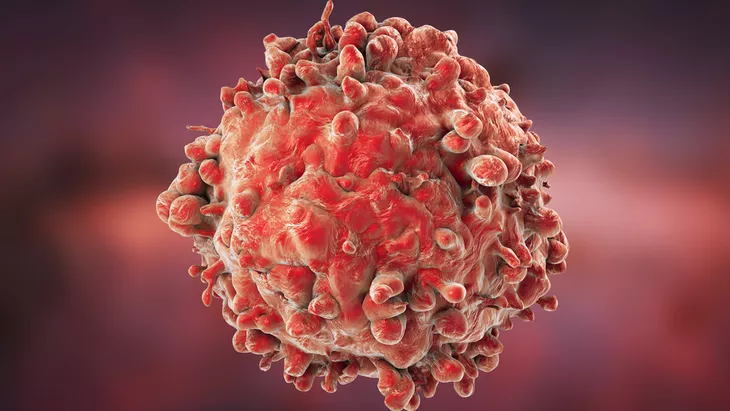
Cancerous.eu – What is Leukemia? Leukemia is a type of cancer that affects blood cells and bone marrow, which is the spongy tissue inside bones where blood cells are produced. Leukemia causes abnormal production of white blood cells, which are important for fighting infections.
There are several types of leukemia, including:
- Acute lymphocytic leukemia (ALL): This is a fast-growing type of leukemia that affects lymphoid cells.
- Chronic lymphocytic leukemia (CLL): This is a slow-growing type of leukemia that affects lymphoid cells.
- Acute myeloid leukemia (AML): This is a fast-growing type of leukemia that affects myeloid cells.
- Chronic myeloid leukemia (CML): This is a slow-growing type of leukemia that affects myeloid cells.
Symptoms of leukemia may include:
- Fatigue and weakness
- Fever and chills
- Frequent infections
- Easy bruising or bleeding
- Swollen lymph nodes, spleen, or liver
- Bone pain or tenderness
- Shortness of breath
- Weight loss
The exact cause of leukemia is not known, but several risk factors have been identified, including exposure to high levels of radiation or certain chemicals, genetic factors, and certain medical conditions and treatments.
Treatment for leukemia may depend on the type and stage of the cancer, as well as the patient’s age and overall health. Common treatment options include chemotherapy, radiation therapy, bone marrow transplant, and targeted therapy.
Kinds of Leukemia
There are four main types of leukemia, which are classified based on the type of blood cell affected and the speed at which the cancer progresses:
- Acute Lymphocytic Leukemia (ALL): This is a fast-growing type of leukemia that affects lymphoid cells, which are a type of white blood cell that helps the body fight infections. ALL is the most common type of leukemia in children, but it can also occur in adults.
- Chronic Lymphocytic Leukemia (CLL): This is a slow-growing type of leukemia that affects lymphoid cells. CLL is most common in older adults, and it often progresses slowly and may not require treatment right away.
- Acute Myeloid Leukemia (AML): This is a fast-growing type of leukemia that affects myeloid cells, which are a type of blood cell that helps the body fight infections and forms red blood cells, platelets, and other white blood cells. AML can occur in both children and adults.
- Chronic Myeloid Leukemia (CML): This is a slow-growing type of leukemia that affects myeloid cells. CML is most common in adults and often progresses slowly in the early stages.
In addition to these four main types, there are also several subtypes of leukemia, which are based on the specific characteristics of the cancer cells.
Stage of Leukemia
Leukemia is typically staged based on the type and extent of the cancer, as well as the patient’s overall health. However, unlike solid tumors, leukemia does not have a formal staging system that applies to all types of leukemia. Instead, leukemia is usually classified based on several factors, including:
- The type of leukemia (e.g. ALL, CLL, AML, CML)
- The number and appearance of abnormal cells in the blood and bone marrow
- The presence or absence of certain genetic abnormalities or mutations in the cancer cells
- The symptoms and health status of the patient
Based on these factors, leukemia is typically classified into one of several risk groups, which can help guide treatment decisions. For example, acute leukemia may be classified as high-risk or standard-risk based on factors such as the patient’s age, the presence of certain genetic abnormalities, and the patient’s overall health. Chronic leukemia may be classified based on the number of abnormal cells in the blood and bone marrow, as well as the patient’s symptoms and overall health.
The treatment approach for leukemia depends on the type and stage of the cancer, as well as the patient’s overall health and preferences.
What Are the Symptoms of Leukemia?
The symptoms of leukemia can vary depending on the type of leukemia and the stage of the cancer. Some common symptoms of leukemia include:
- Fatigue or weakness
- Fever or chills
- Frequent infections
- Easy bruising or bleeding
- Petechiae (tiny red spots on the skin)
- Swollen lymph nodes, spleen, or liver
- Bone pain or tenderness
- Night sweats
- Unexplained weight loss
- Shortness of breath
In acute leukemia, symptoms may appear suddenly and progress quickly, while in chronic leukemia, symptoms may develop more slowly over a period of months or years. It’s important to note that many of these symptoms can be caused by other conditions, so it’s important to consult with a healthcare provider if you experience persistent or concerning symptoms.
What Are the Risk Factors for Leukemia?
The exact causes of leukemia are not yet fully understood, but there are several known risk factors that can increase a person’s chances of developing the disease. Some common risk factors for leukemia include:
- Age: Leukemia is more common in adults over the age of 55, although it can occur in people of all ages.
- Family history: People who have a first-degree relative (parent, sibling, or child) with leukemia have an increased risk of developing the disease.
- Previous cancer treatment: People who have received radiation therapy or chemotherapy for a previous cancer have an increased risk of developing leukemia later in life.
- Exposure to certain chemicals: Exposure to certain chemicals, such as benzene and formaldehyde, can increase the risk of leukemia.
- Smoking: Smoking tobacco increases the risk of several types of cancer, including leukemia.
- Genetic disorders: Certain genetic disorders, such as Down syndrome and Li-Fraumeni syndrome, can increase the risk of leukemia.
- Weakened immune system: People with weakened immune systems, such as those with HIV/AIDS or who have received an organ transplant, have an increased risk of developing leukemia.
It’s important to note that having one or more of these risk factors does not necessarily mean that a person will develop leukemia, and many people who develop leukemia have no known risk factors.
What Can I Do to Reduce My Risk of Leukemia?
While there is no guaranteed way to prevent leukemia, there are several steps you can take to reduce your risk of developing the disease. These include:
- Avoid exposure to known carcinogens: Exposure to certain chemicals, such as benzene and formaldehyde, can increase the risk of leukemia. If you work with or around these chemicals, be sure to follow proper safety precautions to minimize your exposure.
- Quit smoking: Smoking tobacco increases the risk of several types of cancer, including leukemia. Quitting smoking is one of the best things you can do for your overall health.
- Protect yourself from radiation: Radiation exposure is a known risk factor for leukemia, so it’s important to take steps to protect yourself from unnecessary exposure. This may include wearing protective clothing and equipment if you work in a job that involves radiation, or avoiding unnecessary medical procedures that involve radiation.
- Eat a healthy diet: Eating a balanced diet that is rich in fruits, vegetables, and whole grains can help support overall health and may help reduce the risk of cancer.
- Stay physically active: Regular exercise can help reduce the risk of several types of cancer, including leukemia.
- Practice good hygiene: Regular hand washing and other good hygiene practices can help reduce the risk of infections, which can be a risk factor for leukemia.
- Follow your doctor’s recommendations: If you have a family history of leukemia or other risk factors, be sure to talk to your doctor about ways to reduce your risk and schedule regular check-ups to monitor your health.
How Is Leukemia Diagnosed?
Leukemia is typically diagnosed through a combination of medical history, physical examination, and laboratory tests. Your doctor may perform the following tests to diagnose leukemia:
- Blood tests: Blood tests can detect abnormal levels of red blood cells, white blood cells, or platelets, which can indicate the presence of leukemia.
- Bone marrow biopsy: A bone marrow biopsy involves taking a small sample of bone marrow from the hip bone and examining it under a microscope to check for abnormal cells.
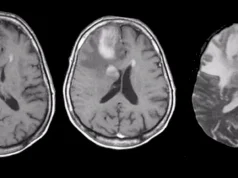
- Imaging tests: Imaging tests, such as X-rays, CT scans, or MRIs, may be used to detect enlarged lymph nodes or organs that may be affected by leukemia.
- Lumbar puncture: A lumbar puncture, also known as a spinal tap, involves removing a small sample of cerebrospinal fluid from the spinal cord to check for the presence of leukemia cells.
- Cytogenetic analysis: This test examines the genetic makeup of the leukemia cells to determine the subtype of leukemia and guide treatment decisions.
If the diagnosis is confirmed, further tests may be needed to determine the stage of the leukemia and guide treatment decisions. Your doctor will work with you to determine the best course of treatment based on your individual case.
How Is Leukemia Treated?
The treatment for leukemia depends on several factors, including the type and stage of the leukemia, as well as the patient’s overall health and medical history. The main treatments for leukemia include:
- Chemotherapy: Chemotherapy is the primary treatment for most types of leukemia. It involves using drugs to kill cancer cells throughout the body.
- Radiation therapy: Radiation therapy uses high-energy radiation to kill cancer cells. It may be used to target leukemia cells in specific parts of the body.
- Stem cell transplant: A stem cell transplant involves replacing diseased bone marrow with healthy stem cells, which can help restore normal blood cell production.
- Targeted therapy: Targeted therapy involves using drugs that target specific genetic mutations or proteins in cancer cells.
- Immunotherapy: Immunotherapy works by boosting the body’s immune system to help fight off cancer cells.
- Clinical trials: Clinical trials are studies of new treatments that are not yet widely available. They may offer patients access to new and innovative treatments.
The treatment plan for leukemia will depend on the specific type and stage of the disease, as well as the patient’s overall health and individual needs. Your doctor will work with you to develop a personalized treatment plan that gives you the best chance of successfully treating the leukemia.