Cancerous – The Most Common Symptoms of Cancer. Cancer is a disease that affects millions of people worldwide, and it’s important to be aware of the most common symptoms. Early detection is crucial for successful treatment, and knowing what to look out for can save lives. In this article, we’ll discuss the top ten symptoms of cancer and what to do if you experience any of them.
Persistent coughing
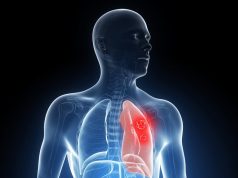
A persistent cough that lasts for more than three weeks could be a sign of lung cancer. If you’re a smoker, this symptom should be taken seriously, and you should consult your doctor immediately.
Also Read: The Importance of Genetics in Cancer Development
Changes in bowel habits
Changes in bowel habits, such as diarrhea or constipation, can be a symptom of colon or rectal cancer. If you notice any changes that persist for more than a few days, see your doctor.
Also Read: Early Detection Cancer: Why Routine Screenings are Key
Blood in urine or stool
Blood in urine or stool could be a sign of bladder, kidney, or colorectal cancer. If you experience this symptom, make an appointment with your doctor right away.
Also Read: What is Cancer and How Does it Develop?
Unexplained weight loss
Unexplained weight loss of 10 pounds or more could be a symptom of several types of cancer, including pancreatic, stomach, lung, and esophageal cancer. If you’re experiencing unexplained weight loss, see your doctor.
Also Read: Understanding Metastasis: How Cancer Spreads and Treatment Options
Fatigue
Fatigue can be a symptom of many different types of cancer, including leukemia and colon, stomach, pancreatic, and lung cancer. If you’re feeling excessively tired and it doesn’t improve with rest, see your doctor.
Also Read: Pediatric Oncology: Advances and Challenges in Treating Childhood Cancers
Skin changes
Changes in the appearance of your skin, such as moles that change shape or color, can be a sign of skin cancer. If you notice any unusual changes in your skin, see a dermatologist.
Also Read: The Emotional Toll of Cancer: Addressing the Psychological Impact of Diagnosis and Treatment
Persistent pain
Persistent pain in any part of your body could be a symptom of several types of cancer, including bone, brain, and ovarian cancer. If you experience persistent pain, see your doctor.
Also Read: Preventing Cancer: Lifestyle Changes and Risk Reduction Strategies
Difficulty swallowing
Difficulty swallowing could be a sign of esophageal or throat cancer. If you have trouble swallowing, see your doctor.
Also Read: How to Beyond Chemotherapy: Alternative and Complementary Therapies for Cancer
Lumps or bumps
Lumps or bumps on your body could be a symptom of several types of cancer, including breast, testicular, and lymphoma. If you notice any lumps or bumps, see your doctor.
Also Read: The Importance of Early Detection: Cancer Screening Guidelines and Recommendations
Indigestion or heartburn
Indigestion or heartburn that doesn’t go away could be a symptom of the stomach or esophageal cancer. If you experience these symptoms, see your doctor.
Also Read: Living with Cancer: Coping Strategies and Support for Patients and Caregivers
If you experience any of these symptoms, it’s important to see your doctor right away. Early detection is crucial for successful treatment, and your doctor can help you determine if further testing is necessary.