Cancerous..eu – The Link Between Diet and Cancer Prevention: A Comprehensive Guide. Cancer is a devastating disease that affects millions of people worldwide. While there are various factors that contribute to its development, research has shown a strong correlation between diet and cancer prevention.
In this article, we will delve into the crucial link between diet and reducing the risk of cancer, providing you with valuable insights and actionable tips.
Also Read: What is Cancer and How Does it Develop?
1Understanding the Link between Diet and Cancer Prevention
When it comes to cancer prevention, adopting a healthy diet plays a vital role. Numerous studies have shown that certain dietary patterns and specific nutrients can help lower the risk of developing various types of cancer. The food choices we make can significantly impact our body’s defense mechanisms, bolstering its ability to fight off cancer cells.
2Key Nutrients for Cancer Prevention
Several nutrients have been identified as having cancer-fighting properties. Antioxidants, such as vitamins C and E, selenium, and beta-carotene, neutralize harmful free radicals in the body, which can damage DNA and lead to cancer development. Fiber, found abundantly in fruits, vegetables, and whole grains, aids in proper digestion and helps prevent colorectal cancer. Essential vitamins and minerals, including vitamin D, calcium, and folate, also contribute to reducing cancer risk.
Also Read: The Role of Exercise in Reducing Cancer Risk: What You Need to Know
3Foods That Help Prevent Cancer
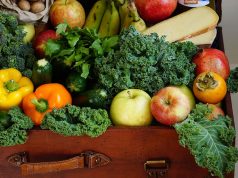
Certain foods have shown remarkable potential in preventing cancer. Cruciferous vegetables, such as broccoli, cauliflower, and kale, contain compounds known as glucosinolates that activate enzymes that detoxify carcinogens. Berries, rich in antioxidants, have been linked to a decreased risk of several types of cancer. Tomatoes, containing lycopene, exhibit protective properties against prostate cancer. Green tea, flaxseeds, turmeric, and garlic are among other examples of foods that have demonstrated anti-cancer effects.
4The Role of Weight Management in Cancer Prevention
Maintaining a healthy weight is crucial for cancer prevention. Obesity is linked to an increased risk of developing several types of cancer, including breast, colon, and pancreatic cancer. By adopting a balanced diet that includes portion control and regular physical activity, you can manage your weight effectively and reduce your cancer risk.
Also Read: The Role of Nutrition in Supporting Cancer Patients
5The Importance of a Plant-Based Diet
A plant-based diet, rich in fruits, vegetables, legumes, and whole grains, has been associated with a lower risk of cancer. These foods are high in fiber, antioxidants, and phytochemicals, all of which contribute to cancer prevention. Additionally, plant-based diets tend to be lower in unhealthy fats and processed meats, which have been linked to an increased risk of cancer.
6Reducing Cancer Risk Through Healthy Eating Habits
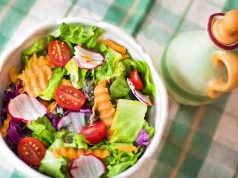
Incorporating healthy eating habits into your daily routine can significantly reduce your risk of cancer. Opt for whole, unprocessed foods and limit your intake of sugary drinks, processed snacks, and red and processed meats. Practice portion control and prioritize home-cooked meals made from fresh ingredients. Including a variety of colorful fruits and vegetables in your diet is also essential for obtaining a wide range of cancer-fighting nutrients.
Also Read: Quitting Tobacco: A Key Step in Reducing Your Risk of Cancer
7Debunking Common Dietary Myths
There are several misconceptions surrounding certain foods and their alleged cancer-preventive properties. It’s important to separate fact from fiction. For instance, while some studies suggest a moderate intake of alcohol may have cardiovascular benefits, excessive alcohol consumption has been strongly linked to an increased risk of several cancers, including liver, breast, and colorectal cancer. It’s crucial to stay informed and rely on evidence-based information when making dietary choices.
8Lifestyle Factors That Complement Diet in Cancer Prevention
While diet plays a significant role in cancer prevention, other lifestyle factors shouldn’t be overlooked. Regular physical activity, stress management, and adequate sleep are essential for maintaining overall health and reducing cancer risk. Engaging in regular exercise can help regulate hormone levels and boost the immune system, both of which contribute to cancer prevention.
Also Read: A Comprehensive Guide to Cancer Screening: Essential Tests
9Seeking Professional Guidance
If you’re looking to make significant changes to your diet or have specific concerns regarding cancer prevention, it’s advisable to seek guidance from healthcare professionals or registered dietitians. They can provide personalized recommendations based on your individual needs and circumstances. Additionally, there are various cancer prevention resources and support organizations available to provide valuable information and support.
Also Read: When to Start Cancer Screening: Guidelines for Different Age Groups
10Conclusion
The link between diet and cancer prevention is undeniable. By adopting a healthy and balanced diet, rich in cancer-fighting nutrients, and maintaining a healthy lifestyle overall, you can significantly reduce your risk of developing cancer. Remember to make informed dietary choices, prioritize whole, unprocessed foods, and seek professional guidance when needed. Empower yourself to take control of your health and reduce your risk of cancer through the power of nutrition and lifestyle choices.
Also Read: How to Incorporate Alternative Therapies into Your Cancer Treatment Plan