



















Cancer Prevention for Women
Screening
- Mammography: Regular mammograms are recommended for women over 40 or at a higher risk. Mammograms detect breast cancer early, when the chances of successful treatment are highest.
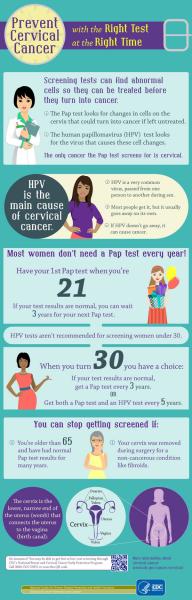
- Pap Smear: Pap smears are recommended every 3-5 years for women over 21. Pap smears detect cervical cancer, which is caused by the human papillomavirus (HPV).
- Colonoscopy: Colonoscopies are recommended for women over 50 or at a higher risk of colon cancer. Colonoscopies detect and remove precancerous polyps.
- Ovarian Cancer Screening: There is no routine screening test for ovarian cancer, but women at a high risk (e.g., family history) may consider blood tests or transvaginal ultrasounds.
Vaccination
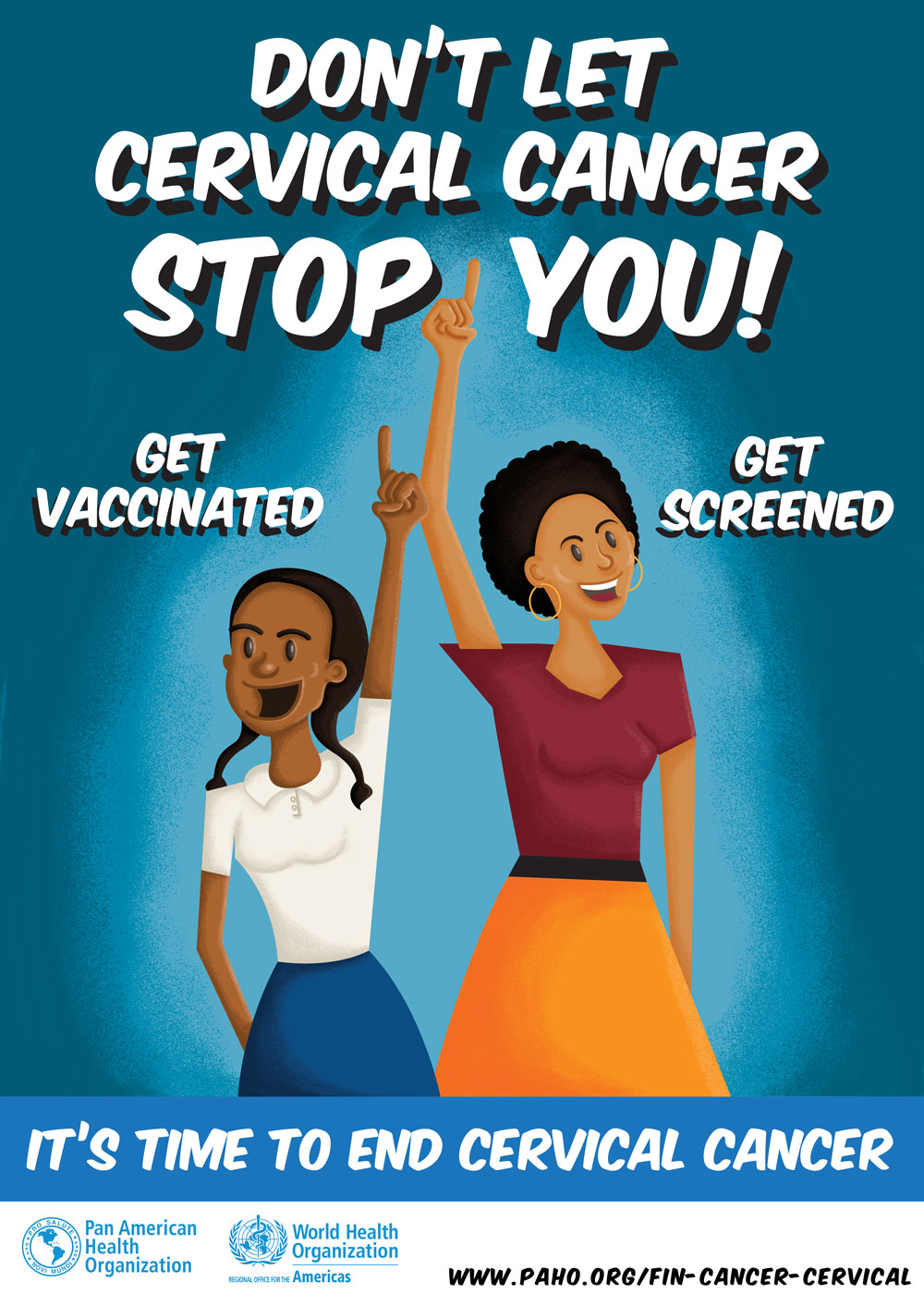
- Human Papillomavirus (HPV) Vaccine: The HPV vaccine protects against the strains of HPV that cause most cervical, vaginal, and vulvar cancers. It is recommended for girls and boys starting at age 11 or 12.
- Hepatitis B Vaccine: Hepatitis B is a liver infection that can increase the risk of liver cancer. The hepatitis B vaccine is recommended for all adults.
Lifestyle Factors
In addition to screening and vaccination, women can reduce their cancer risk by:
- Maintaining a Healthy Weight: Obesity is linked to an increased risk of several types of cancer, including breast, endometrial, colon, and ovarian cancer.
- Eating a Healthy Diet: Fruits, vegetables, and whole grains are rich in antioxidants and fiber, which help protect against cancer.
- Engaging in Regular Physical Activity: Physical activity is associated with a reduced risk of breast, endometrial, and colon cancer.
- Limiting Alcohol Consumption: Excessive alcohol consumption increases the risk of breast, liver, and colorectal cancer.
- Avoiding Smoking: Smoking is the leading preventable cause of cancer, including lung, breast, and cervical cancer.
Other Important Considerations
- Genetic Testing: Women with a strong family history of cancer may consider genetic testing to identify gene mutations that increase their risk.
- Hormone Replacement Therapy: Post-menopausal women should talk to their doctor about the risks and benefits of hormone replacement therapy (HRT) and its potential impact on cancer risk.
- Self-Breast Exam: Women should perform monthly breast self-exams to check for any changes or lumps.
By following these recommendations, women can significantly reduce their risk of developing certain types of cancer. Regular screenings, vaccination, and healthy lifestyle choices are crucial for cancer prevention and early detection.## Cancer Prevention For Women: Screening And Vaccination
Executive Summary
Cancer is a major concern for women, but many types of cancer can be prevented or detected early through regular screenings and vaccinations. This article provides essential information on cancer prevention for women, covering crucial topics such as breast cancer screening, cervical cancer screening, HPV vaccination, and lifestyle choices that can reduce cancer risk. By following these recommendations, women can significantly improve their chances of maintaining good health and avoiding cancer-related complications.
Introduction
Cancer is a complex disease that affects millions of people worldwide. While some risk factors for cancer are unavoidable, such as age and family history, there are many things women can do to reduce their risk and improve their overall health. This article will discuss several key aspects of cancer prevention for women, including screening, vaccination, and lifestyle choices.
FAQs
-
What are the most common types of cancer in women?
- Breast cancer
- Lung cancer
- Colorectal cancer
- Ovarian cancer
- Cervical cancer
-
What are the benefits of cancer screening?
- Early detection can lead to more effective treatment and improved survival rates.
- Screening can help identify precancerous conditions, allowing for early intervention to prevent cancer development.
-
What are the risks of cancer screening?
- False positives (identifying cancer when it is not present), which can lead to unnecessary anxiety and further testing.
- Radiation exposure from certain screening tests, which may increase the risk of future cancer development.
Screening
Breast cancer screening: Regular mammograms are recommended for women over 40 to detect early signs of breast cancer.
Cervical cancer screening: Pap tests and HPV tests can detect precancerous changes in the cervix.
Vaccination
HPV vaccine: The HPV vaccine protects against human papillomavirus (HPV), which can cause cervical cancer and other HPV-related cancers. It is highly recommended for girls and young women.
Lifestyle Choices
Diet: A balanced diet including plenty of fruits, vegetables, and whole grains can help reduce cancer risk.
Exercise: Regular exercise can boost the immune system and protect against several types of cancer.
Smoking cessation: Smoking increases the risk of numerous cancers, including lung, breast, and cervical cancer. Quitting smoking is one of the most significant steps women can take to reduce their cancer risk.
Alcohol consumption: Excessive alcohol intake can increase the risk of breast cancer and other types of cancer. Limiting alcohol consumption is recommended.
Conclusion
Cancer prevention for women is a multifaceted approach that involves regular screening, vaccination, and healthy lifestyle choices. By following these recommendations, women can empower themselves to minimize their cancer risk and maintain optimal health throughout their lives. Staying informed, making informed decisions, and working closely with healthcare providers are crucial for achieving the best possible outcomes in cancer prevention.
Keyword Tags
- Cancer Prevention
- Women’s Health
- Breast Cancer Screening
- Cervical Cancer Screening
- HPV Vaccination
