



















Early Cancer Detection is Key to Successful Treatment for several reasons:
Increased Chances of Cure or Remission:
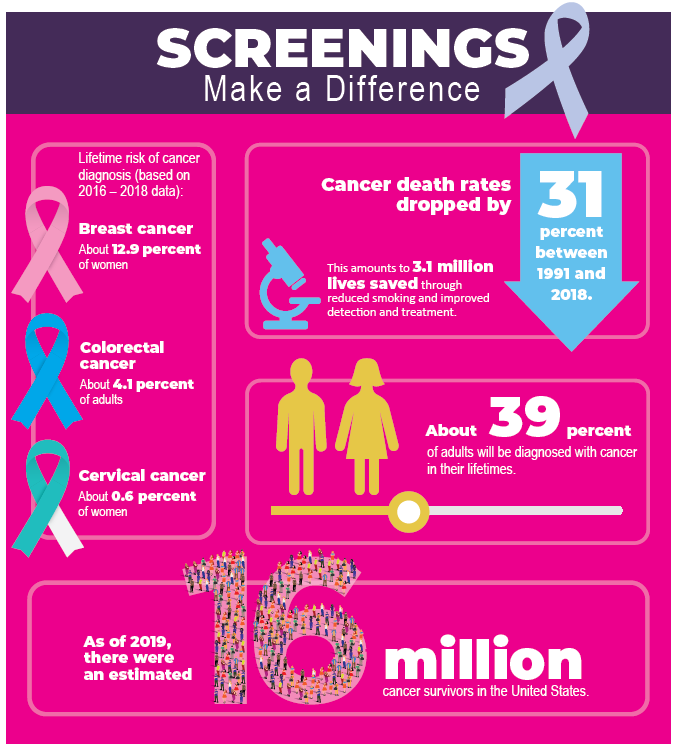
- When cancer is detected early, it is usually confined to a smaller area and has not spread to other parts of the body.
- This makes it easier for treatment to remove or destroy the cancer, increasing the chances of a complete cure or remission.
Less Invasive Treatment Options:
- Early detection often allows for less invasive treatment options, such as surgery, radiation therapy, or targeted therapies.
- These treatments have a lower risk of side effects and can preserve more healthy tissue.
Improved Treatment Outcomes:
- Patients who receive early treatment have better overall treatment outcomes, including higher survival rates and quality of life.
- Early treatment can prevent complications, such as pain, growth, or spread of the cancer.
Lower Treatment Costs:
- Early detection typically requires less extensive and costly treatments.
- This can save patients significant financial burden and avoid prolonged and expensive therapies.
Reduced Risk of Death:
- Early detection significantly reduces the risk of cancer-related death.
- By identifying and treating cancer at an early stage, it is possible to prevent it from advancing to more advanced and potentially fatal stages.
How to Detect Cancer Early:
- Regular screenings and check-ups
- Pay attention to any unusual symptoms or changes in your body
- Follow-up on abnormal results or concerning symptoms promptly
- Maintain a healthy lifestyle to reduce cancer risk
Benefits of Early Cancer Detection:
- Increased chances of survival
- Reduced treatment invasiveness
- Improved treatment outcomes
- Lower treatment costs
- Enhanced quality of life# Why Early Cancer Detection Is Key To Successful Treatment
Executive Summary
According to the World Health Organization (WHO), “Early detection of cancer can lead to timely and effective treatment, which can significantly improve a patient’s chances of survival and reduce the risk of developing serious complications.” By detecting cancer early, doctors can often remove the tumor before it has a chance to spread to other parts of the body, increasing the likelihood of a successful treatment outcome.
Introduction
Cancer is a leading cause of death worldwide, but many types of cancer can be treated successfully if they are detected early. Early detection allows for more treatment options, including surgery, radiation therapy, and chemotherapy. These treatments are most effective when the cancer is small and has not spread to other parts of the body.
FAQs
1. What are the benefits of early cancer detection?
- Increased chance of successful treatment
- Reduced risk of developing serious complications
- Improved quality of life
- Decreased healthcare costs
2. What are the signs and symptoms of cancer?
The signs and symptoms of cancer vary depending on the type of cancer, but some common signs include:
- Unexplained weight loss
- Fatigue
- Pain
- Changes in bowel or bladder habits
- Unusual bleeding or discharge
- Lumps or bumps in the body
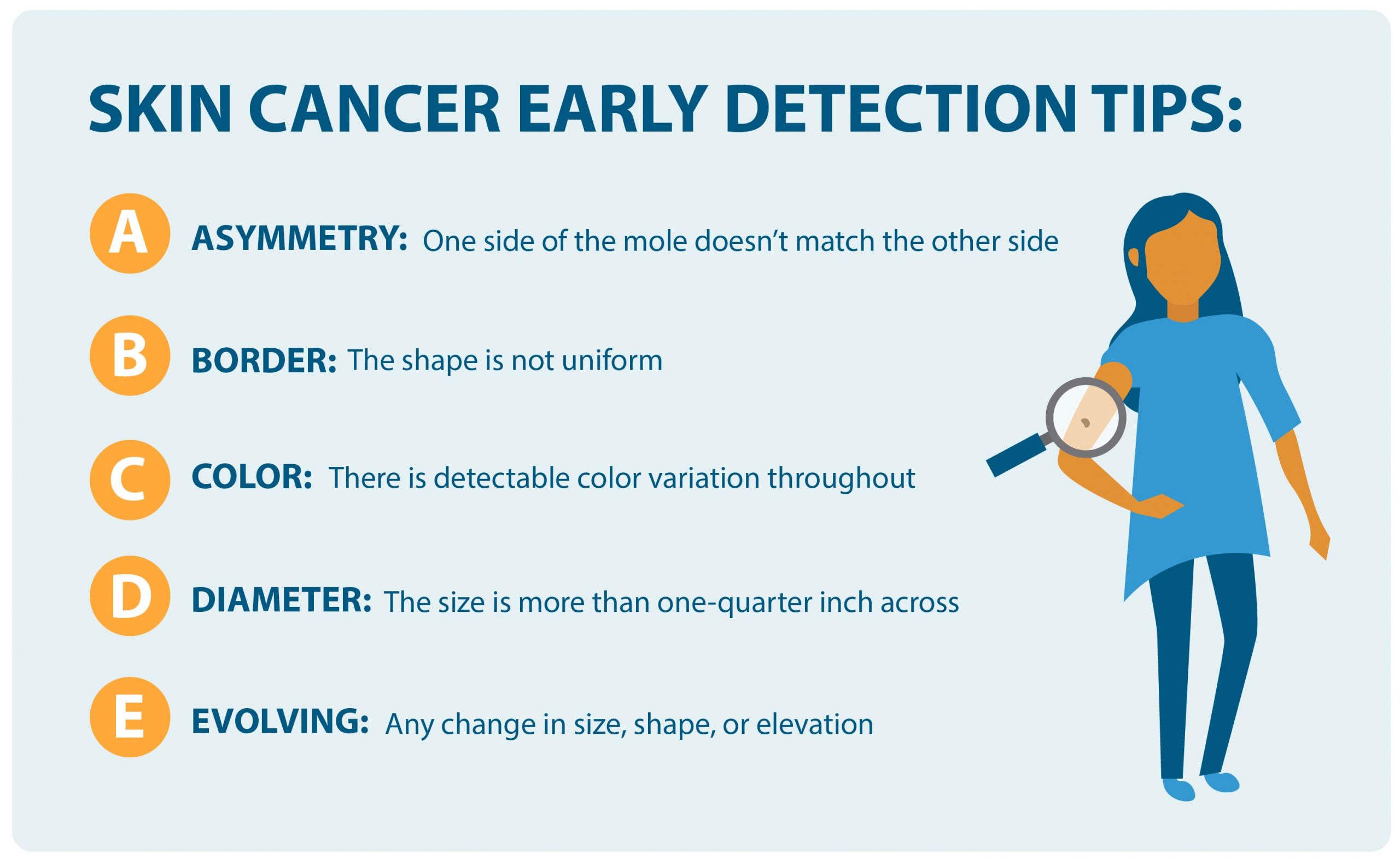
- Skin changes
3. Who should get screened for cancer?
Everyone should get screened for cancer regularly, but some people are at higher risk for developing cancer and should get screened more often. People who are at higher risk include those who:
- Are over the age of 50
- Have a family history of cancer
- Have a personal history of cancer
- Are exposed to certain chemicals or radiation
- Have certain lifestyle factors, such as smoking or obesity
Top 5 Subtopics
1. Cancer Screening
Cancer screening is a test that is used to find cancer before it causes symptoms. Screening tests can be used to detect a variety of cancers, including breast cancer, colon cancer, and lung cancer.
Important Pieces of Cancer Screening
- Regular screening is important for early detection of cancer.
- Screening tests can be used to detect a variety of cancers.
- Screening tests can help to reduce the risk of developing serious complications from cancer.
- Screening tests can help to improve the quality of life for cancer patients.
- Screening tests can help to decrease healthcare costs.
2. Cancer Diagnosis
Cancer diagnosis is the process of determining whether or not a person has cancer. Cancer can be diagnosed through a variety of tests, including physical exams, biopsies, and imaging tests.
Important Pieces of Cancer Diagnosis
- Accurate diagnosis is important for proper treatment of cancer.
- Diagnosis can be made through a variety of tests.
- Early diagnosis is important for successful treatment of cancer.
- Proper diagnosis can help to reduce the risk of developing serious complications from cancer.
- Proper diagnosis can help to improve the quality of life for cancer patients.
3. Cancer Treatment
Cancer treatment is the use of surgery, radiation therapy, chemotherapy, and other methods to kill cancer cells and shrink tumors. The type of treatment that is used depends on the type of cancer, the stage of the cancer, and the patient’s overall health.
Important Pieces of Cancer Treatment
- Treatment is important for controlling cancer and improving survival.
- Treatment can be used to kill cancer cells and shrink tumors.
- Treatment can help to reduce the risk of developing serious complications from cancer.
- Treatment can help to improve the quality of life for cancer patients.
- Treatment can help to decrease healthcare costs.
4. Cancer Survivorship
Cancer survivorship is the period of time after cancer treatment has ended. During this time, survivors may experience a variety of physical, emotional, and social challenges. Survivorship care is designed to help survivors manage these challenges and live a full and healthy life.
Important Pieces of Cancer Survivorship
- Survivorship care is important for helping cancer survivors to manage the challenges of life after treatment.
- Survivorship care can help to improve the quality of life for cancer survivors.
- Survivorship care can help to decrease healthcare costs for cancer survivors.
- Survivorship care can help to reduce the risk of developing new cancers.
- Survivorship care can help to support cancer survivors and their families.
5. Cancer Prevention
Cancer prevention is the practice of reducing the risk of developing cancer. Cancer prevention can be achieved through a variety of lifestyle changes, including eating a healthy diet, exercising regularly, and avoiding tobacco smoke.
Important Pieces of Cancer Prevention
- Prevention is important for reducing the risk of developing cancer.
- Prevention can be achieved through a variety of lifestyle changes.
- Prevention can help to improve the quality of life for cancer survivors.
- Prevention can help to decrease healthcare costs for cancer survivors.
- Prevention can help to support cancer survivors and their families.
Conclusion
Early detection of cancer is key to successful treatment. By getting screened regularly and knowing the signs and symptoms of cancer, you can increase your chances of detecting cancer early and getting the treatment you need to beat it.
Keyword Tags
- Cancer detection
- Cancer screening
- Cancer diagnosis
- Cancer treatment
- Cancer Survivorship
