In the realm of medical conditions, lung cancer near the windpipe is a serious and often life-threatening issue that requires immediate attention and treatment. This type of cancer can have devastating effects on the body, making it crucial to understand its causes, symptoms, diagnosis, and treatment options.
Understanding Lung Cancer Near Windpipe
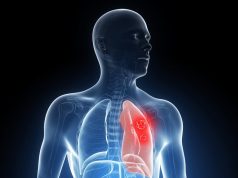
Lung cancer near the windpipe, also known as tracheal or bronchial cancer, occurs when abnormal cells grow uncontrollably in the tissues of the trachea or bronchi. These are the airways that carry air to and from the lungs. When cancer develops in these areas, it can obstruct airflow and lead to a range of respiratory problems.
Causes of Lung Cancer Near Windpipe
The exact cause of lung cancer near the windpipe is not always clear, but certain risk factors can increase the likelihood of developing this condition. Smoking tobacco is the leading cause of lung cancer, with smokers being at a significantly higher risk than non-smokers. Exposure to secondhand smoke, radon gas, asbestos, and other environmental toxins can also contribute to the development of lung cancer near the windpipe.
Symptoms of Lung Cancer Near Windpipe
Symptoms of lung cancer near the windpipe can vary depending on the location and stage of the cancer. Common signs include persistent coughing, wheezing, chest pain, hoarseness, shortness of breath, coughing up blood, and recurrent respiratory infections. If you experience any of these symptoms, it is essential to consult a healthcare professional for further evaluation.
Diagnosis and Treatment Options
Diagnosing lung cancer near the windpipe typically involves a combination of imaging tests, such as X-rays and CT scans, along with biopsies to confirm the presence of cancerous cells. Once a diagnosis is made, treatment options may include surgery, radiation therapy, chemotherapy, targeted therapy, immunotherapy, or a combination of these approaches.
Surgery
Surgery is often recommended for early-stage lung cancer near the windpipe, where the tumor is localized and has not spread to other parts of the body. During surgery, the affected portion of the trachea or bronchi may be removed to eliminate the cancerous cells.
Radiation Therapy
Radiation therapy uses high-energy beams to target and destroy cancer cells near the windpipe. This approach may be used alone or in combination with surgery or chemotherapy to shrink tumors and alleviate symptoms.
Chemotherapy
Chemotherapy involves the use of powerful drugs to kill cancer cells throughout the body. While it can be effective in treating lung cancer near the windpipe, chemotherapy may also cause side effects such as nausea, hair loss, and fatigue.
Targeted Therapy
Targeted therapy targets specific genetic mutations in cancer cells to inhibit their growth and spread. This personalized approach can be highly effective in treating certain types of lung cancer near the windpipe.
Immunotherapy
Immunotherapy works by boosting the body’s immune system to recognize and attack cancer cells. This innovative treatment option has shown promising results in patients with advanced lung cancer near the windpipe.
Conclusion
In conclusion, lung cancer near the windpipe is a complex and challenging condition that requires comprehensive care and treatment. By understanding the causes, symptoms, diagnosis, and treatment options for this type of cancer, individuals can make informed decisions about their healthcare and work towards better outcomes.
Early detection and intervention are key in improving prognosis and quality of life for those affected by lung cancer near the windpipe. If you or a loved one are experiencing symptoms suggestive of this condition, seek prompt medical attention to receive the necessary support and care.