



















Coping Strategies for Cancer Patients and Survivors
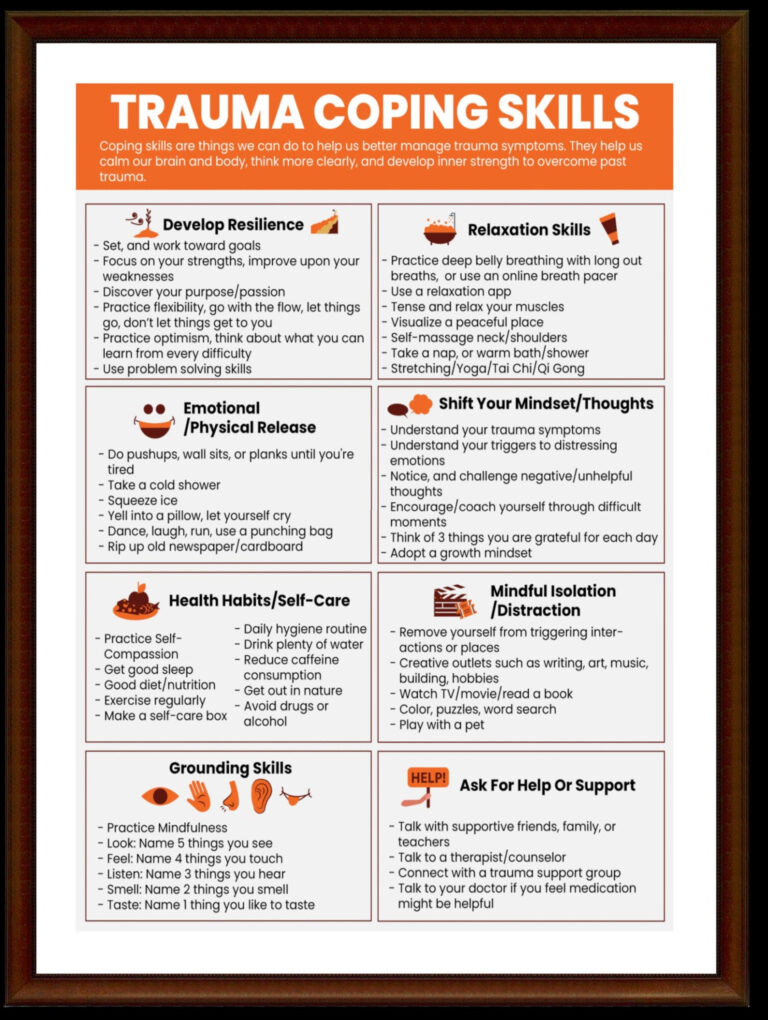
1. Practice Mindfulness and Meditation:
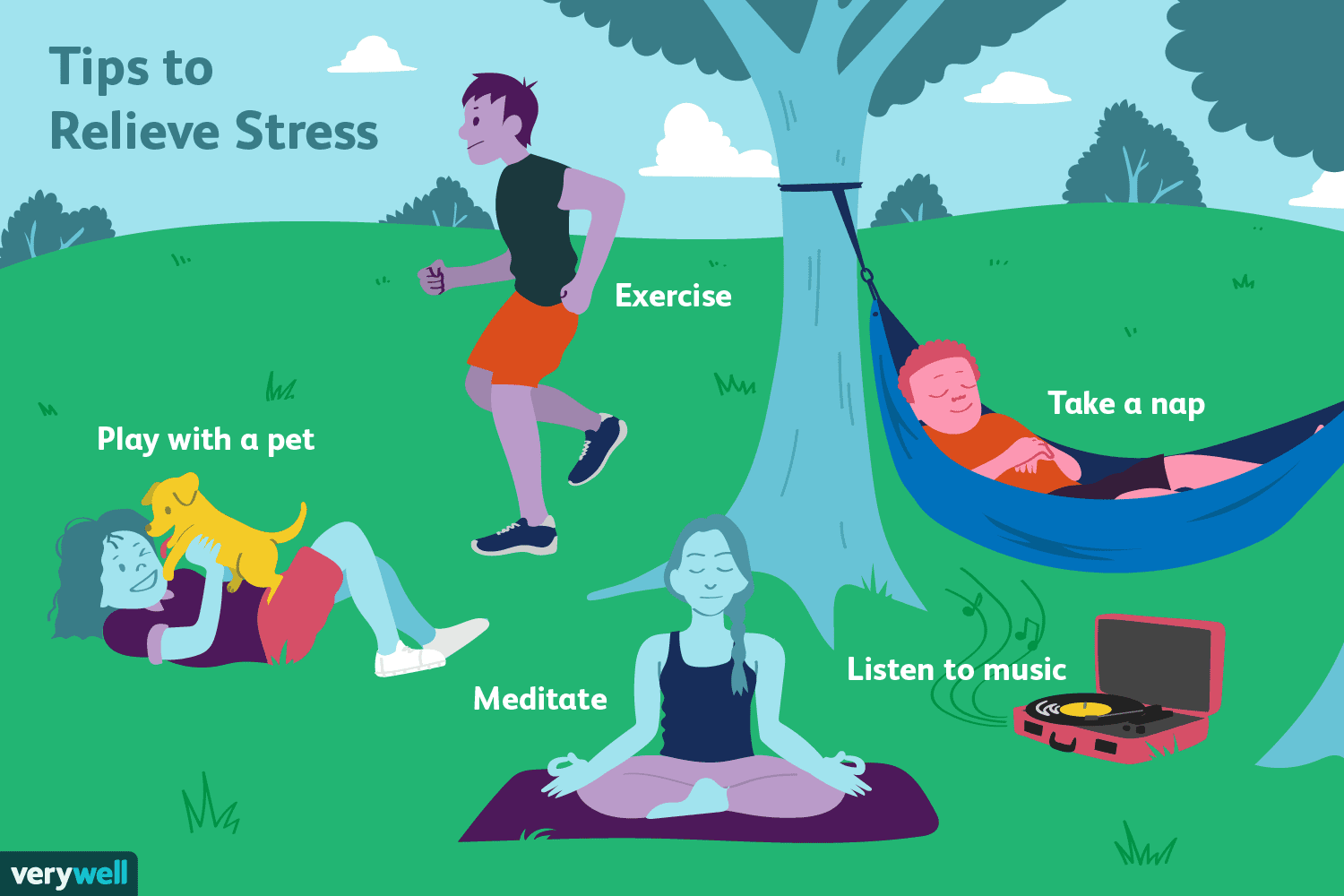
- Focus on the present moment, reducing anxiety and stress.
- Try guided meditations, yoga, or deep breathing exercises.
2. Engage in Supportive Therapy:

- Seek professional help from a therapist or counselor.
- Discuss your emotions, concerns, and develop coping mechanisms.
3. Join Support Groups:
- Connect with others who understand your experiences.
- Share stories, offer support, and learn from others.
4. Pursue Creative Expression:
- Engage in activities like painting, writing, or music therapy.
- Express your emotions through creative outlets.
5. Exercise Regularly:
- Physical activity releases endorphins, improving mood and reducing stress.
- Aim for 30 minutes of moderate-intensity exercise most days.
6. Maintain a Healthy Diet:
- Nourish your body with nutritious foods.
- Limit processed foods, caffeine, and alcohol.
7. Sleep Well:
- Establish a regular sleep schedule.
- Create a relaxing bedtime routine and avoid using electronic devices before bed.
8. Practice Self-Care:
- Prioritize activities that bring you joy and relaxation.
- Take time for yourself to unwind and recharge.
9. Focus on Gratitude:
- Appreciate the positive aspects of your life, no matter how small.
- Express gratitude through journaling or talking to loved ones.
10. Seek Social Support:
- Connect with friends, family, or community organizations.
- Surround yourself with people who care about you and support you.
11. Manage Pain and Side Effects:
- Discuss pain and discomfort with your healthcare team.
- Explore pain management techniques, such as acupuncture or massage therapy.
12. Find Meaning:
- Reflect on your values and purpose.
- Engage in activities that give you a sense of fulfillment.
13. Focus on the Future:
- Set realistic goals for yourself.
- Plan for life after cancer and envision a positive future.
14. Reach Out for Help When Needed:
- Don’t hesitate to ask for assistance from loved ones, support groups, or healthcare professionals.
- Remember that you are not alone and there is help available.
Additional Tips:
- Learn relaxation techniques such as progressive muscle relaxation or visualization.
- Use a stress ball or journal to manage stress.
- Set boundaries and limit interactions that drain you.
- Seek humor and laughter to uplift your spirits.
- Remember that setbacks are a part of the journey and don’t give up.## Coping Strategies For Cancer Patients And Survivors: Tips And Techniques To Manage Stress And Anxiety
Coping with Cancer: A Guide to Managing Stress and Anxiety for Cancer Patients and Survivors
Cancer is a life-changing experience that can take a toll on both the physical and mental health of patients and survivors. The diagnosis and treatment of cancer can lead to a range of emotions, including anxiety, fear, sadness, and anger. These emotions can be overwhelming and can make it difficult to cope with the challenges of cancer.
There are a number of coping strategies that can help cancer patients and survivors manage stress and anxiety. These strategies can help to improve quality of life, reduce the risk of developing depression, and promote overall well-being.
Executive Summary
Cancer is a challenging experience that can take a toll on the mental and emotional health of patients and survivors. Anxiety and stress are common reactions to a cancer diagnosis and treatment, and they can make it difficult to cope with the challenges of cancer. This comprehensive resource offers coping strategies to help cancer patients and survivors manage stress and anxiety. Implementing these strategies can improve their overall quality of life, reduce the risk of developing depression, and promote well-being.
Introduction
Cancer is a life-changing event that can lead to a range of emotions, including anxiety, fear, sadness, and anger. These emotions can be overwhelming and can make it difficult to cope with the challenges of cancer. Fortunately, there are a number of coping strategies that can help cancer patients and survivors manage stress and anxiety. These strategies can help to improve quality of life, reduce the risk of developing depression, and promote overall well-being.
FAQs
What are some common coping strategies for cancer patients and survivors?
There are a number of coping strategies that cancer patients and survivors can use to manage stress and anxiety. Some common strategies include:
- Seeking professional help from a therapist or counselor
- Joining a support group
- Exercising
- Eating a healthy diet
- Getting enough sleep
How can I find a therapist or counselor who specializes in cancer?
There are a number of ways to find a therapist or counselor who specializes in cancer. You can ask your doctor or oncologist for a referral, or you can search for therapists in your area who specialize in cancer. You can also use online resources to find therapists who specialize in cancer.
What are some tips for managing stress and anxiety during cancer treatment?
There are a number of things that cancer patients and survivors can do to manage stress and anxiety during cancer treatment. Some helpful tips include:
- Set realistic goals and don’t try to do too much.
- Break down tasks into smaller, more manageable steps.
- Delegate tasks to others when possible.
- Take breaks throughout the day to relax and de-stress.
- Spend time with loved ones and friends.
Top 10 Coping Strategies
1. Seek Professional Help
Seeking professional help from a therapist or counselor is one of the most effective ways to manage stress and anxiety. A therapist can help you to identify the sources of your stress and anxiety, develop coping mechanisms, and improve your overall mental health.
- Identify the sources of your stress and anxiety: A therapist can help you to identify the specific thoughts, feelings, and situations that are causing you stress and anxiety. Once you know what is causing your stress and anxiety, you can start to develop strategies to cope with them.
- Develop coping mechanisms: A therapist can teach you a variety of coping mechanisms that can help you to manage stress and anxiety. These coping mechanisms may include relaxation techniques, such as deep breathing and meditation, or cognitive-behavioral therapy, which can help you to change the way you think about and react to stressful situations.
- Improve your overall mental health: A therapist can help you to improve your overall mental health by teaching you how to manage stress and anxiety, as well as how to cope with other mental health issues that may be affecting you, such as depression or post-traumatic stress disorder.
2. Join a Support Group
Joining a support group is another great way to manage stress and anxiety. Support groups provide a safe and supportive environment where you can connect with other cancer patients and survivors who are going through similar experiences.
- Connect with other cancer patients and survivors: Support groups provide an opportunity to connect with other cancer patients and survivors who are going through similar experiences. This can help you to feel less alone and more supported.
- Share your experiences and learn from others: Support groups provide a safe space to share your experiences and learn from others. This can help you to develop new coping mechanisms and strategies for managing stress and anxiety.
- Get emotional support: Support groups provide emotional support from other cancer patients and survivors who understand what you are going through. This can help you to feel more supported and less isolated.
3. Exercise
Exercise is a great way to reduce stress and anxiety. Exercise releases endorphins, which have mood-boosting effects. Exercise can also help to improve your sleep, which can further reduce stress and anxiety.
- Releases endorphins: Exercise releases endorphins, which have mood-boosting effects. Endorphins can help to reduce stress and anxiety and improve your overall mood.
- Improves sleep: Exercise can help to improve your sleep quality. Getting enough sleep can help to reduce stress and anxiety and improve your overall mood.
- Boosts energy levels: Exercise can help to boost your energy levels. Having more energy can help you to feel more positive and less stressed.
4. Eat a Healthy Diet
Eating a healthy diet is important for both your physical and mental health. Eating a healthy diet can help to improve your energy levels, boost your mood, and reduce stress and anxiety.
- Improves your energy levels: Eating a healthy diet can help to improve your energy levels. Having more energy can help you to feel more positive and less stressed.
- Boosts your mood: Eating a healthy diet can help to boost your mood. Eating plenty of fruits, vegetables, and whole grains can help to improve your overall mood and reduce stress and anxiety.
- Reduces stress and anxiety: Eating a healthy diet can help to reduce stress and anxiety. Eating plenty of fiber can help to keep you feeling full and satisfied, which can help to reduce stress and anxiety.
5. Get Enough Sleep
Getting enough sleep is essential for your physical and mental health. Getting enough sleep can help to improve your mood, boost your energy levels, and reduce stress and anxiety.
- Improves your mood: Getting enough sleep can help to improve your mood. When you are well-rested, you are more likely to feel positive and less stressed.
- Boosts your energy levels: Getting enough sleep can help to boost your energy levels. Having more energy can help you to feel more positive and less stressed.
–Reduces stress and anxiety: Getting enough sleep can help to reduce stress and anxiety. When you are well-rested, you are better able to cope with stress and anxiety.
Conclusion
Cancer is a challenging experience, but it is important to remember that there are many resources available to help you cope with stress and anxiety. The coping strategies discussed in this article can help you to improve your quality of life, reduce the risk of developing depression, and promote overall well-being. If you are struggling to cope with stress and anxiety, please reach out to a healthcare professional for help.
Relevant Keyword Tags
- Cancer
- Coping Strategies
- Stress
- Anxiety
- Cancer Patients
- Cancer Survivors
